


The Quiet Shift Nobody Quite Announced
Five years ago, the home gym was a luxury. It needed a spare room, a serious budget, and usually a partner who didn’t mind a rack of dumbbells living next to the sofa. That picture has changed – faster than most fitness publications have caught up with – and the change is worth pausing on.
Walk through any new-build flat in London, Manchester, or Berlin and you’ll see the constraint that’s driving the shift. Floor plans have shrunk. Living rooms double as offices. Storage is tight. The fitness equipment market that’s actually growing isn’t the one that assumes you’ve got a basement to fill – it’s the one designing for the 35-square-metre studio.
This isn’t a small story. It’s a market repositioning. And brands that understood the shift early – like Merach – are quietly outperforming the legacy names that still build for the garage gym buyer.

What “Compact” Actually Has to Solve
It’s easy to say “compact equipment” and harder to design it well. The brief is genuinely difficult. Whatever you build has to fold or tuck away. It can’t be ugly enough to embarrass the room when guests come over. It still has to give the user a real workout – not a watered-down approximation. And the price has to make sense for someone who isn’t ready to commit £2,000 to a Peloton.
That’s a lot of constraints stacked on a single product. Most brands solve one or two and miss the rest. The treadmill that folds but weighs 90kg. The rower with a beautiful silhouette and resistance so flimsy it’s basically yoga. The compact bike that’s compact because it’s small, not because it’s been engineered for it.
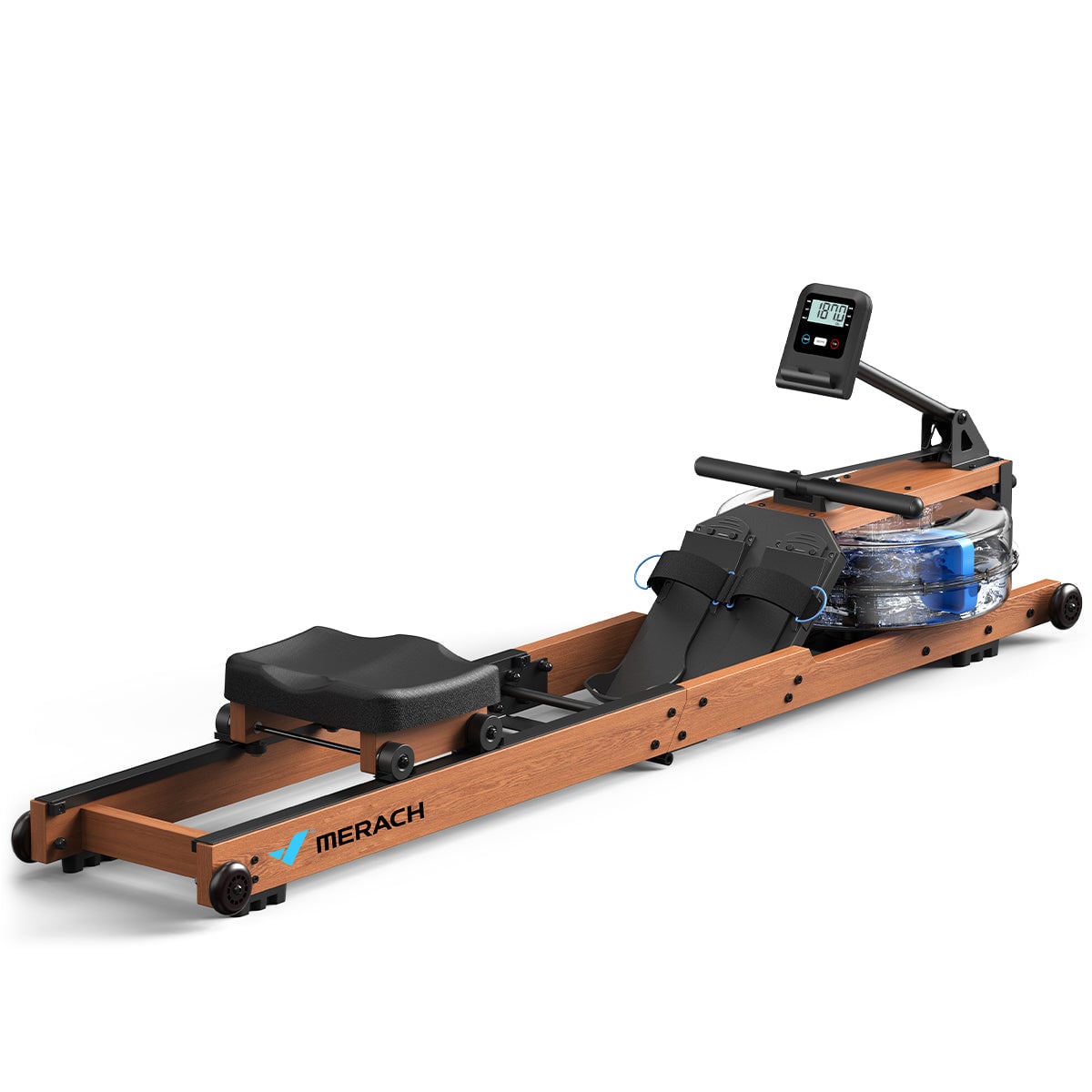
The interesting Merach kit gets closer to solving the full problem – not perfectly, but closer than most. Take the R28R1 water rower. It folds 180 degrees for vertical storage. The frame uses FSC-certified wood, which gives it the visual warmth of furniture rather than gym kit. The resistance is real because water resistance is real. And the price – £299.99 on sale – sits in a band that doesn’t require a household conversation.
The Market Signal Most Brands Missed
Why did the bigger fitness brands miss this? A few reasons, probably. The legacy commercial-gym manufacturers built their identity around heft – heavy frames, industrial fans, equipment that telegraphs seriousness. Asking them to design for a one-bedroom flat is like asking a Hummer dealer to make a city car. The DNA pulls against the brief.
The connected-fitness brands – Peloton, Tonal, NordicTrack – went a different direction. They built their pitch on screens, content, and monthly subscriptions. Compact wasn’t their priority. Lock-in was. That’s a real business, but it serves a different buyer.
The opening was in the middle – quietly engineered kit for buyers who didn’t want a £40/month subscription, didn’t have space for a permanent setup, and wanted something that performed without performing. Merach went after that gap. So did a small handful of others. It turns out the gap was much larger than anyone admitted.
The Self-Powered Treadmill Argument
Here’s a small detail that captures the design philosophy well. The Merach W50 treadmill is self-powered. No plug. You walk, the belt moves, and the resistance comes from the motion itself. It’s not a flashy feature. It’s not in the headline. But it solves three problems at once: it cuts the power bill, it removes the need to position the treadmill near an outlet, and it makes the unit lighter and easier to fold.

That’s a small-flat designer’s mindset, not a commercial-gym engineer’s. The two groups solve different problems. And right now, the small-flat designer is the one the market is rewarding.
The Honest Trade-Off Worth Naming
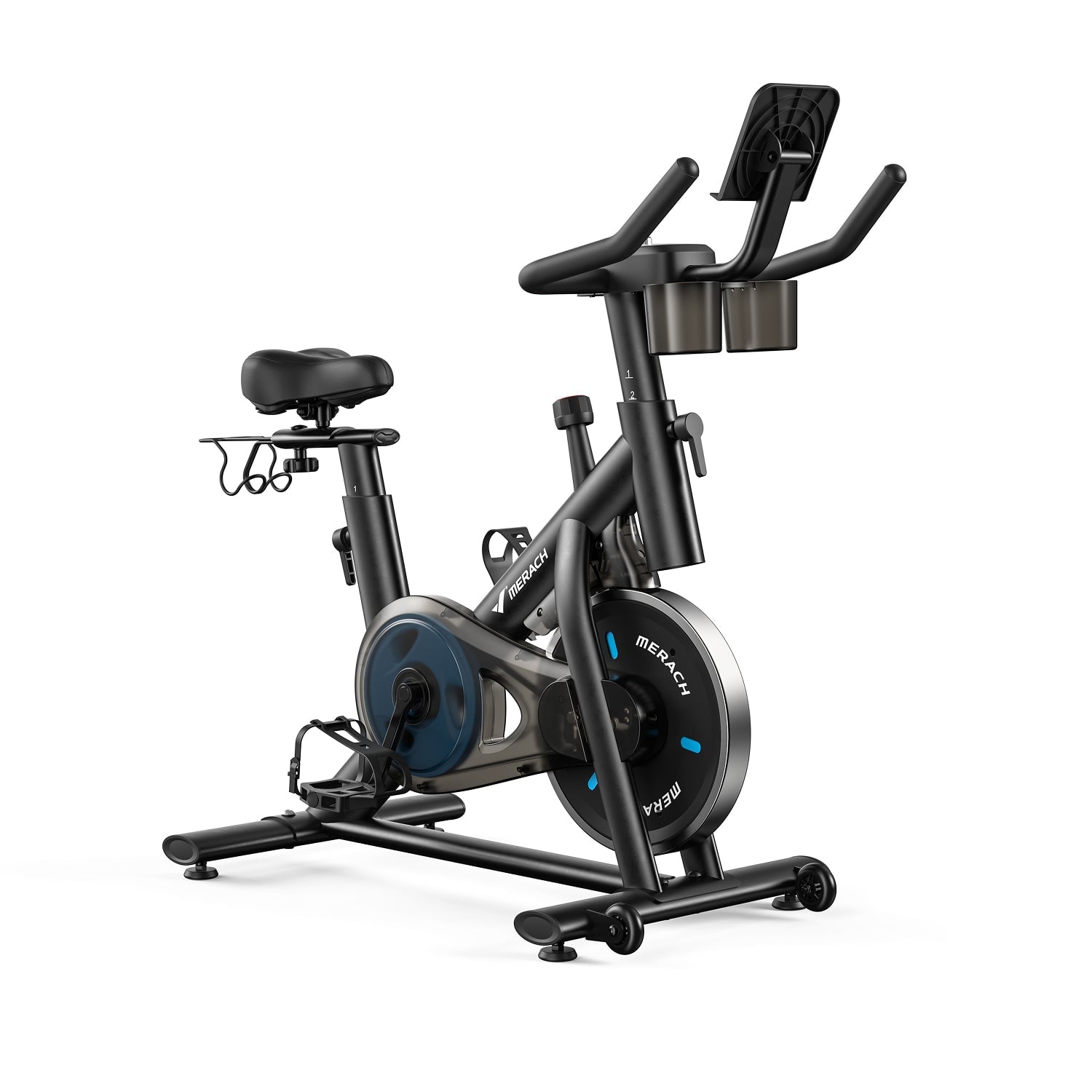
This isn’t a story without trade-offs. Compact, folding kit will never feel as planted as a 200kg commercial frame. The S26B2 magnetic bike is solid, but it doesn’t disappear into the floor the way a £2,500 spin bike does. The W50’s self-powered design means you control the pace through effort rather than pressing a button – some users love that, some find it frustrating after a long day.
None of that is a failure of design. It’s the cost of fitting fitness equipment into a living room. The right question isn’t whether the trade-off exists – it always will. The right question is whether the kit honestly acknowledges it and gives you good value within the trade. The better Merach products do. Some of the cheaper competitors don’t.
Where the Category Goes Next
The compact-fitness market is still early. Expect more brands to enter. Expect the design briefs to keep tightening – lighter frames, quieter mechanics, smarter folds. The brands that win the next two years will be the ones that treat the small flat as the primary user, not the afterthought.
And the buyers will keep voting with their orders. Quietly. In flat after flat. The big garage gym isn’t dead – but it’s no longer the centre of the story.
