


The Silhouette of the Year
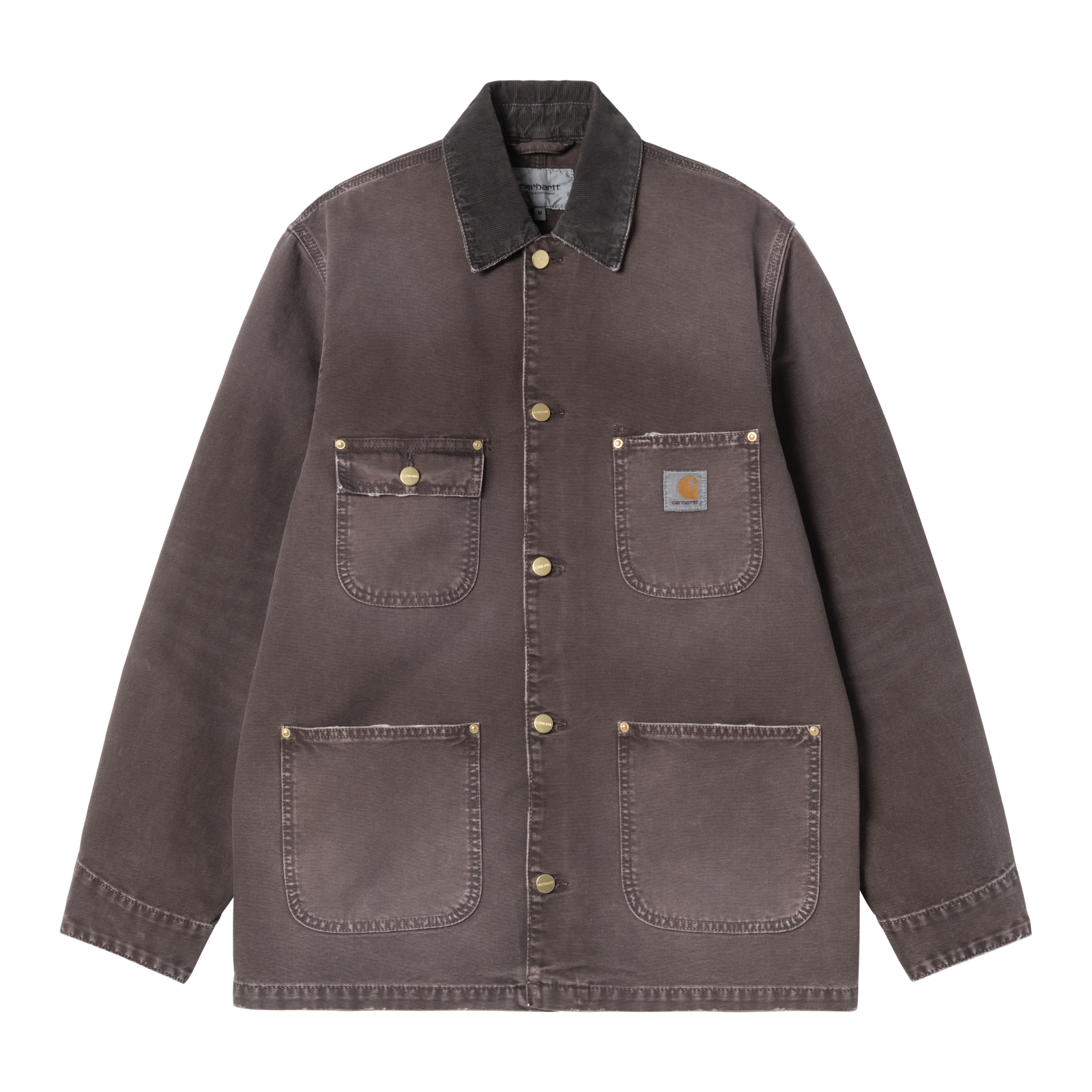
If you’ve spent any time looking at the 2026 fashion conversation – editorial features, runway recaps, the more thoughtful TikTok creators – one piece keeps showing up. The chore coat. Boxy. Mid-thigh. Four big patch pockets. A garment that looks equally at home over a t-shirt or a tailored shirt. It’s the year’s most-referenced silhouette, and not by accident.
What’s interesting isn’t that it’s back. It’s that nobody had to invent it. The chore coat – in its modern, urban, reinterpreted form – has been on a slow, steady arc since Carhartt WIP started refining its version in the late 1990s. The brand had been carrying the silhouette through the wilderness years when fashion wasn’t interested. Now fashion is interested, and the version that’s winning is the one that never stopped being made.
A Brief History You Can Actually Wear
The chore coat originates in 19th-century French workwear – “bleu de travail,” the indigo cotton jacket that French farmers and tradespeople wore for the better part of 150 years. The silhouette migrated to American workwear in the early 1900s, where Carhartt and a handful of others adapted it for railway, agricultural, and industrial use. The fit got slightly boxier. The materials shifted from cotton drill to duck canvas. The pockets got bigger to carry tools.
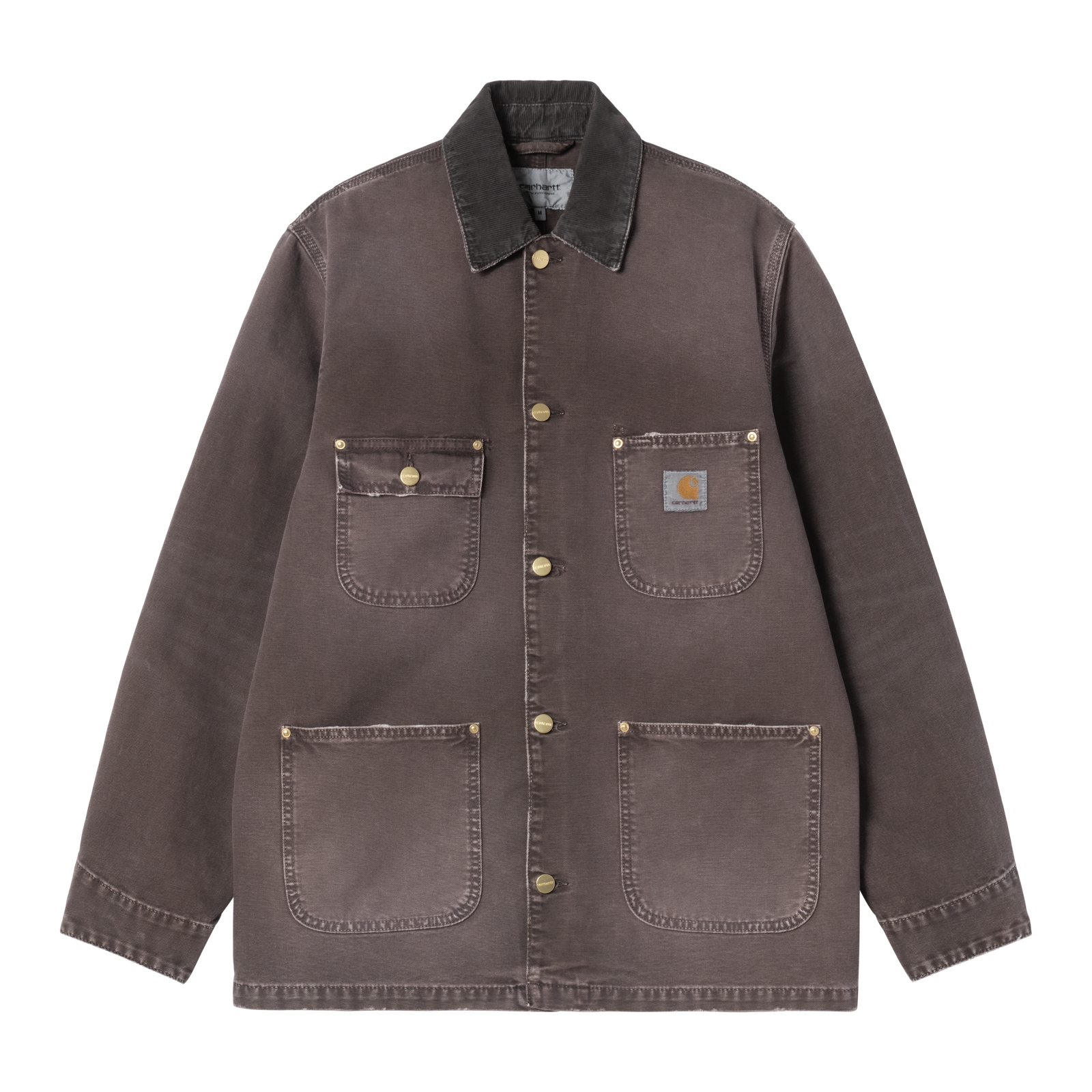
By 2026, the silhouette has been refined for several decades by Carhartt WIP. The OG Chore Coat – tobacco colourway, destroy-wash finish, €219 – is the cleanest example. The proportions are right. The pockets are functional rather than decorative. The collar sits where it should. And the wash treatment gives it the broken-in feel that takes any other jacket two years of wear to develop.
Why This Silhouette, Why Now?
The chore coat’s resurgence is driven by a few things at once. Reaction against tailored slim cuts that defined 2010-2020 menswear. Renewed interest in workwear-adjacent aesthetics. A wider movement toward “quiet” rather than “loud” clothing – garments that don’t shout their brand, but read well to the people who recognise them.
It’s also driven by something more practical: the chore coat is one of the most versatile outer layers in menswear and womenswear right now. It works over a hoodie. It works over a button-down. It bridges the gap between “casual” and “considered” with less effort than almost any other piece. For people who want to dress reasonably well without thinking hard about it, that versatility is the whole pitch.
The Three Ways to Style It
There’s a small library of looks that the OG Chore Coat tends to anchor. Knowing them helps you understand why the jacket has the cultural pull it does.
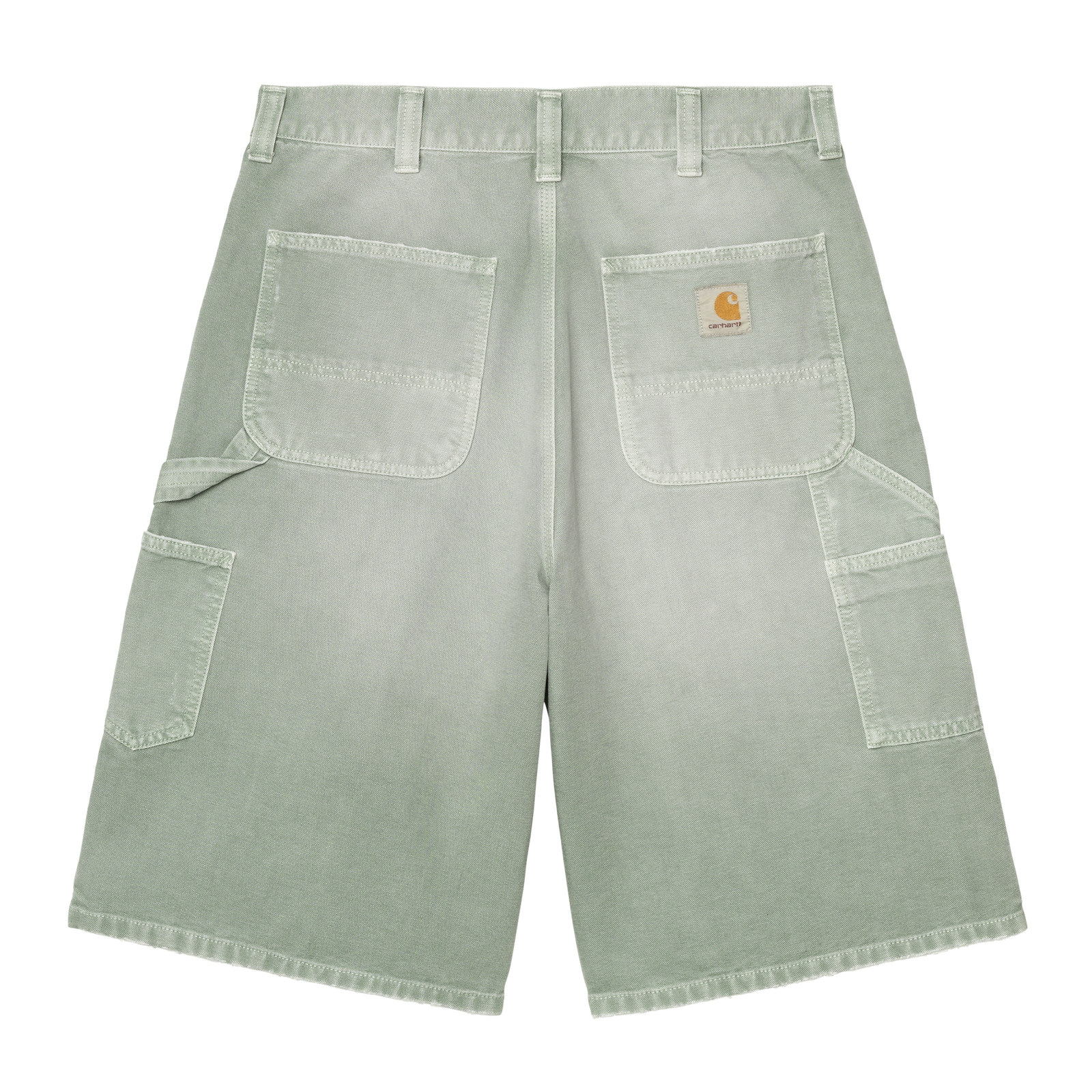
The classic workwear pairing. Chore coat. Tee. Double-knee pants or shorts. Work boots or chunky sneakers. This is the original look the silhouette was built for. It still reads as the most natural styling option.
The dressed-up reinterpretation. Chore coat. Oxford shirt. Wool trousers. Loafers. This is the version that’s been quietly taking over editorial spreads since around 2023. The jacket carries enough texture to make the rest of the outfit feel intentional without feeling overdressed.
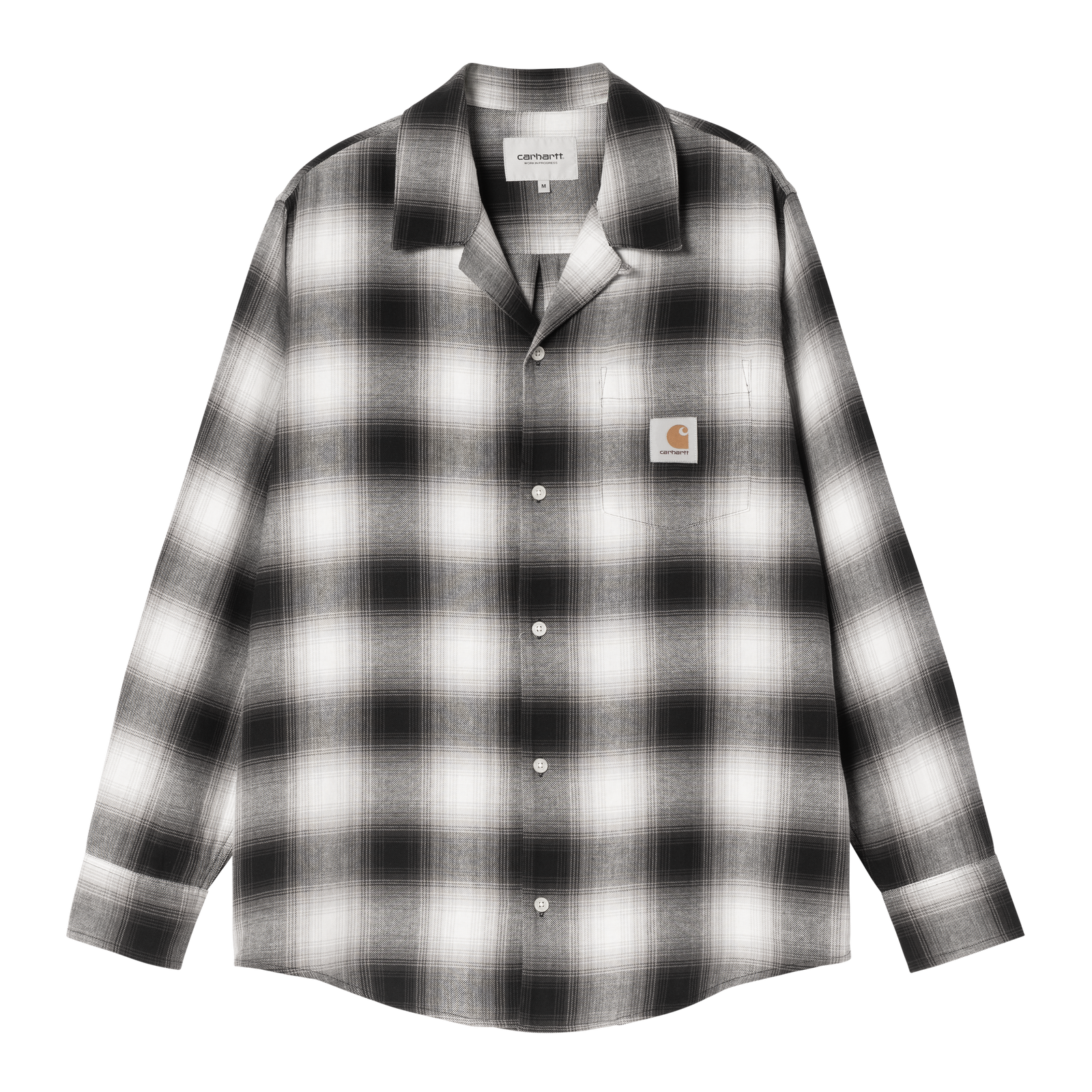
The layered creative look. Chore coat over a heavy shirt – like the Tyers Check above – over a tee. Loose-fitting trousers. Heavier footwear. This is the version that reads as “art student” or “studio creative.” It’s where the silhouette ends up when buyers want a bit of complexity without sacrificing the chore coat’s clean lines.
The Honest Caveat
One thing worth saying. The OG Chore Coat is heavier than most modern jackets. The duck canvas – especially before it breaks in – has structure that doesn’t drape the way softer fabrics do. For the first month of ownership, it can feel a bit boxy in a way you might not expect. That’s not a defect. It’s the trade-off for a jacket that holds its shape for ten years rather than two seasons.
If you want something soft, drapey, and gym-locker comfortable from day one, the OG Chore Coat probably isn’t your jacket. If you want a silhouette that earns its place in your wardrobe slowly and stays there permanently, it might be exactly the one.
Why “Carhartt Knew First” Isn’t an Empty Phrase
Lots of brands now make chore coats. H&M, Uniqlo, COS, Acne, A.P.C., dozens of smaller labels. Some of them are very good. None of them have been making the silhouette for as long, with as much consistency, as Carhartt. That continuity matters – not because it makes the product objectively better in every category, but because it means the version Carhartt sells today is the result of decades of small refinements that nobody else can shortcut.
That’s the quiet argument for the OG Chore Coat. It’s not the cheapest. It’s not the trendiest. It’s the version that knows exactly what it is. And in a year when the silhouette is the most-referenced piece in menswear, that’s a meaningful thing to be.
