


A Thirty-Year Anchor
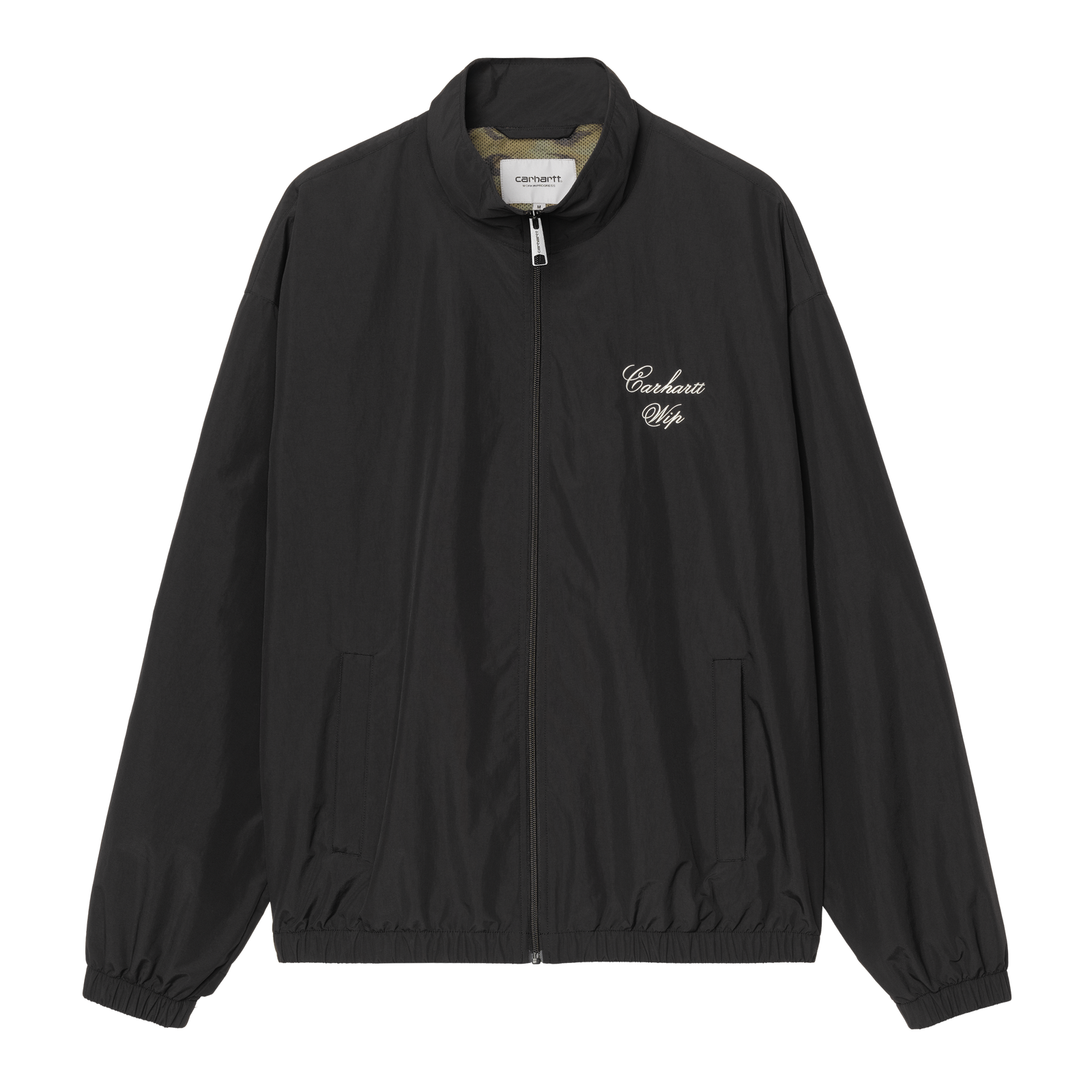
Walk through Mitte on a Saturday. Sit in a Kreuzberg café. Cross the Rhine into Cologne’s Belgisches Viertel. The same jacket keeps appearing. Different colours, different fits, different generations of buyer – but the same one brand. Carhartt WIP has been the quiet anchor of German streetwear since the mid-1990s, and the relationship hasn’t loosened. If anything, it’s deepened.
That’s a strange thing to say about a brand born in Detroit in 1889. How does an American workwear company end up speaking so fluently to a German design audience? The answer isn’t just “good marketing.” There’s a structural fit that’s worth unpacking.
The Edwin Faeh Decision
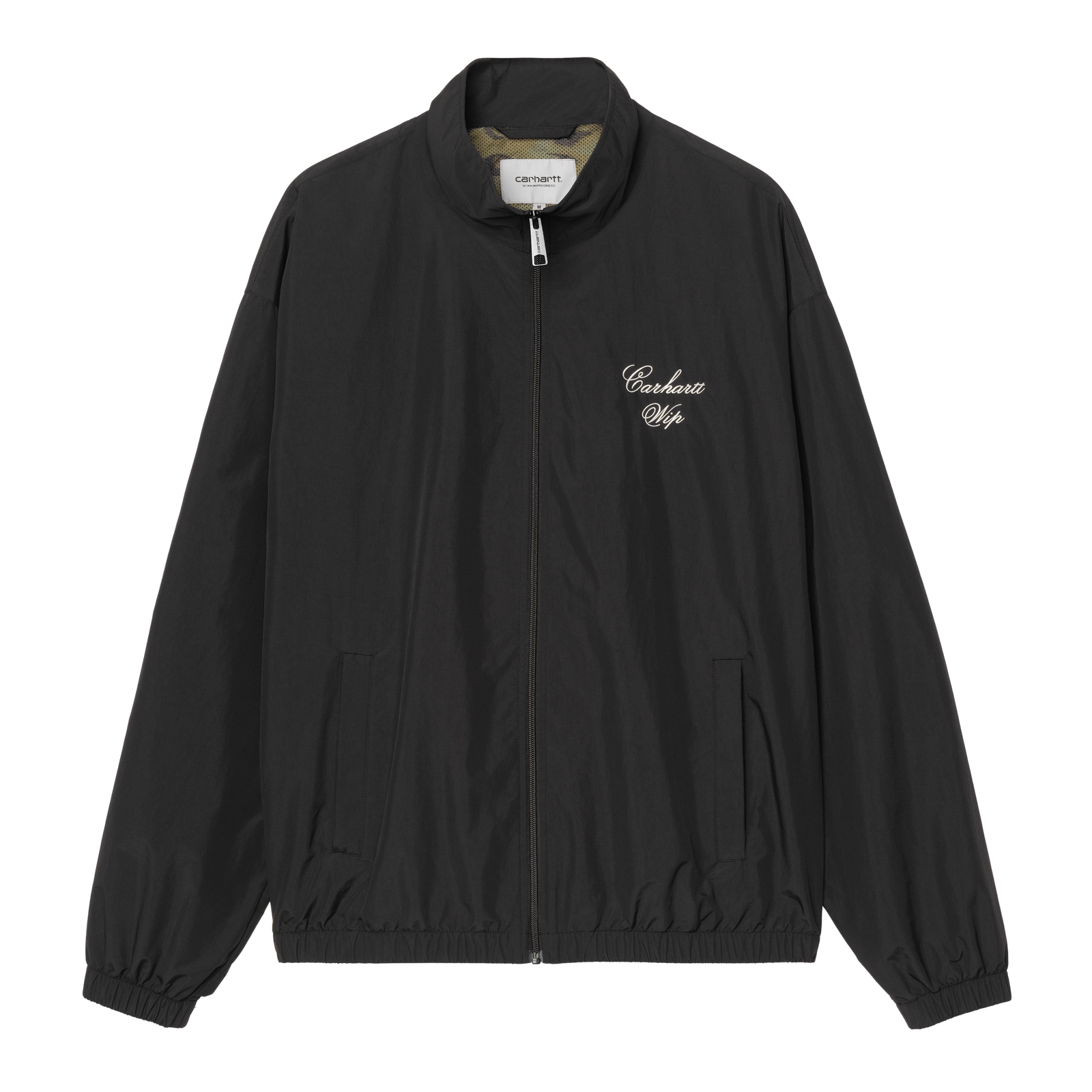
It helps to remember how Carhartt WIP exists in the first place. In 1994, the Swiss entrepreneur Edwin Faeh licensed the Carhartt name for Europe. He set up shop in Weil am Rhein, on the German-Swiss border. The branding was kept – the workwear DNA was kept – but the European cuts were sharpened, and the customer brief shifted.
That customer wasn’t the railroad worker or the carpenter. It was the skater in Berlin. The graffiti artist in Hamburg. The architecture student in Stuttgart who wanted clothes that didn’t perform fashion. Carhartt WIP read that brief correctly and never really stopped reading it. Look at the current collection and you’ll see the same brief still being answered, just with refined materials and contemporary cuts.
The German Aesthetic Tension Carhartt Resolves
Here’s a generalisation that’s broadly true: German design culture has historically been suspicious of decoration. Bauhaus, Braun, Vitra – the through-line is “form follows function, ornament is dishonest.” That makes for beautiful design. It also makes for a slightly uncomfortable relationship with fashion, which is, almost by definition, ornamental.
Carhartt WIP gives the German buyer a way out of that tension. The garments aren’t ornamental. They were built to work. The aesthetic emerged from function rather than being applied to it. Buying a chore coat isn’t a fashion choice in the same way buying a printed silk blouse is. It’s a decision about durability, utility, and silhouette – dressed up in just enough subcultural cred to make it interesting.
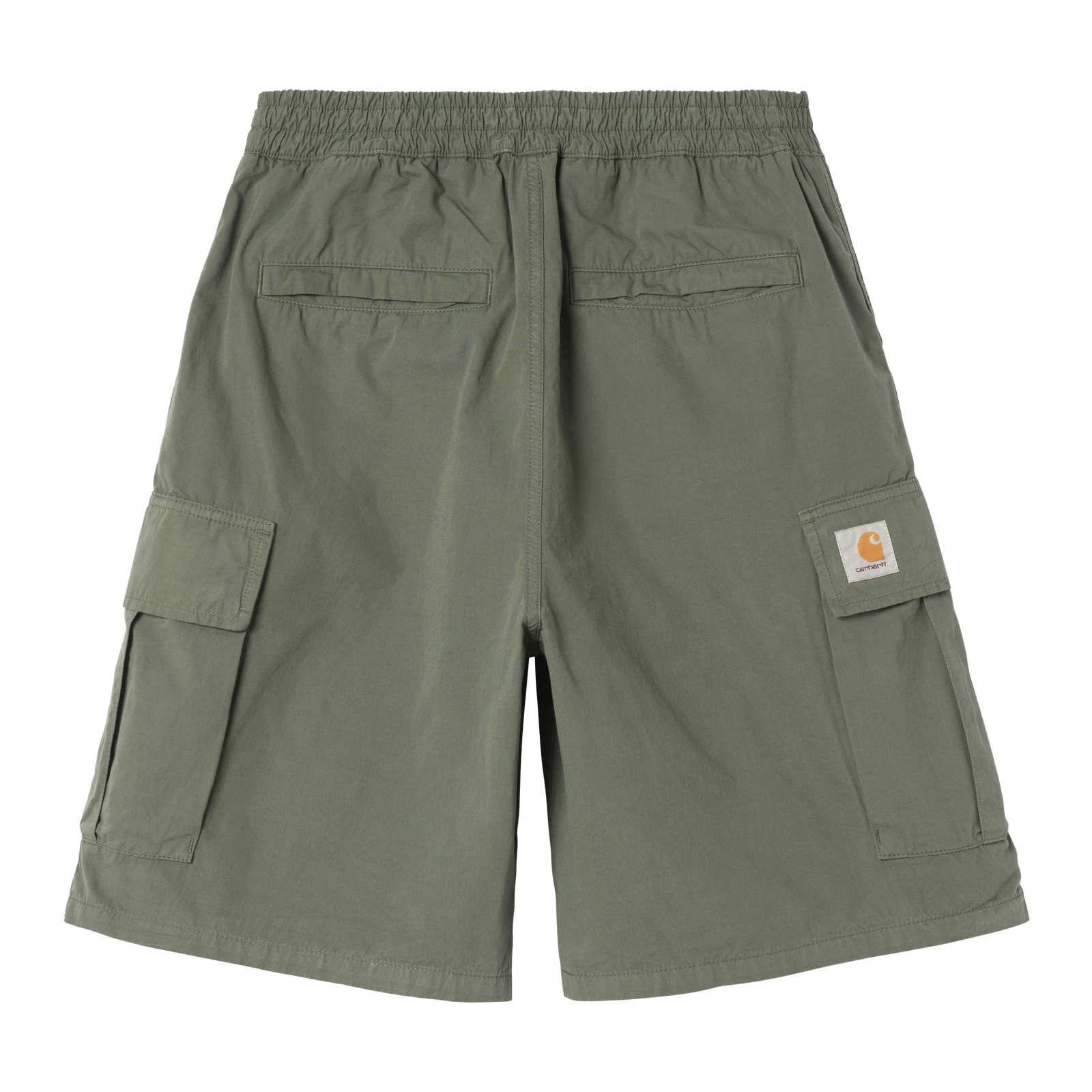
That’s a comfortable proposition for a culture that’s been raised on functionalist design. It’s why Carhartt WIP sits naturally in the same German wardrobe as A.P.C., Jil Sander, and the more austere end of Acne. None of those brands shout. None of them rely on logos. All of them operate from a similar starting premise: the garment should justify itself.
The Subcultural Bridge
There’s a second dimension worth naming. Carhartt WIP didn’t just enter Germany – it entered the German subcultures that mattered. Hip-hop in the late 1990s. Techno through the 2000s. Skate culture continuously. Each of those scenes wore Carhartt without making it a uniform, which is exactly the right relationship for a brand that wants longevity.
The Sean Hamilton and Tyers collaborations – artist prints that show up on the SS26 shirts – aren’t accidental. They’re a continuation of a strategy Carhartt WIP has run for decades: collaborate with creative people whose audiences overlap with the brand’s, let the work speak, and don’t over-explain. That kind of consistency builds trust slowly, but it builds it deep.
The Price Question, Honestly Addressed
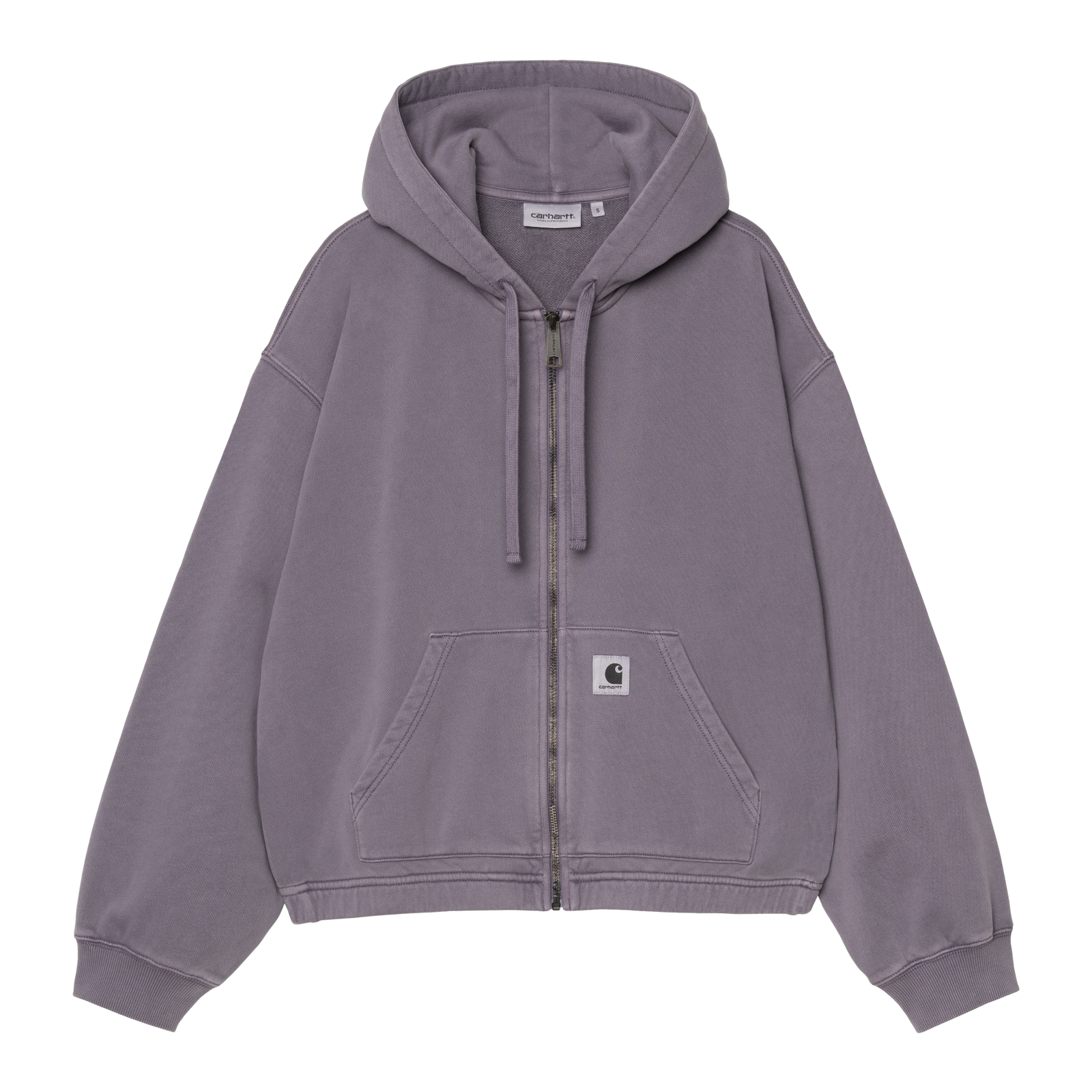
The honest tension – and it’s worth saying – is price. Carhartt WIP isn’t cheap anymore. A Travon Jacket sits at €149. The OG Chore Coat is €219. That’s not workwear pricing. That’s mid-market boutique pricing dressed in workwear vocabulary.
Whether that matters depends on what you’re comparing it to. Compared to fast fashion, it’s expensive. Compared to comparably-constructed garments from a Berlin label like Our Legacy or A Kind of Guise, it’s a relative bargain. Compared to the original Carhartt Detroit workwear it descends from, the gap has widened uncomfortably. All three comparisons are true at the same time. Buyers reconcile them differently, and that’s fine.
What the Pattern Tells Us
The lasting popularity of Carhartt WIP in Germany isn’t an accident, and it’s not just about good clothes. It’s a market signal. It tells you that German buyers – perhaps more than any other European market – reward brands that take function seriously, communicate restrainedly, collaborate with the right cultural voices, and don’t drift too far from the original promise.
That’s a high bar. Most brands miss it. The ones that hit it – Carhartt WIP, certain Japanese workwear labels, the more honest end of Scandinavian basics – stay relevant for decades rather than seasons. The pattern isn’t fashion. It’s something closer to a design contract: keep the promise, and the audience stays.
