


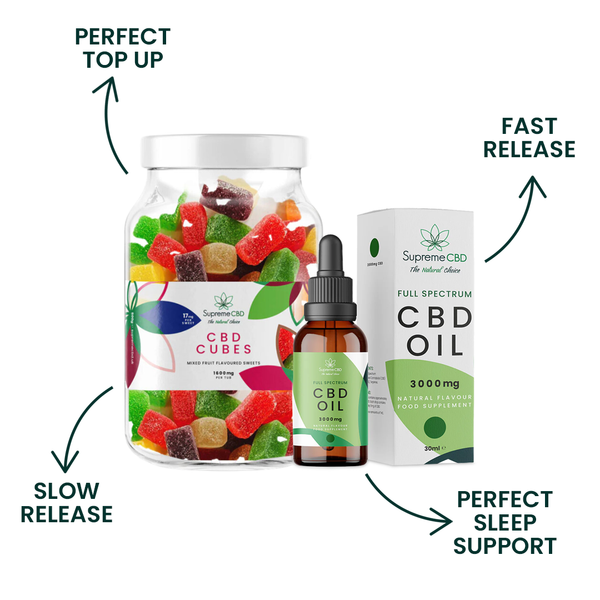
The Label Tells You a Story. Most People Can’t Read It.
Walk down the CBD aisle in any Boots, or scroll through any decent online CBD retailer, and you’ll see the same set of words appearing across the labels. Full Spectrum. Broad Spectrum. Isolate. THC-free. CO2-extracted. Lab-tested. Each of those terms means something specific. Each of them also gets misused by enough brands that you can’t take the label at face value.
This is a practical decoder. Not a pharmacology textbook – a buyer’s guide. By the end, you’ll be able to read a CBD label and know what’s actually being claimed, what’s being implied, and what’s quietly being skipped.
Spectrum: The Word That Matters Most
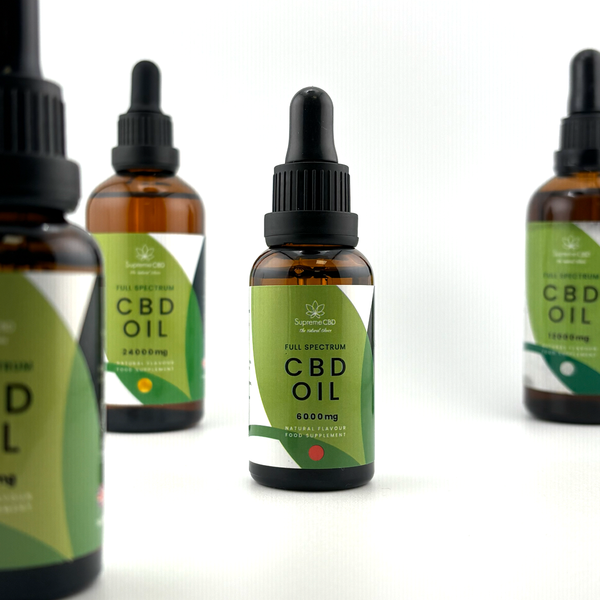
“Spectrum” refers to which cannabinoid and terpene compounds the product contains alongside the CBD itself. The hemp plant has dozens of these. How many of them survive into the final bottle depends on how the extract was processed – and the spectrum label tells you which path the manufacturer took.
All hemp compounds preserved, including a trace amount of THC (under 0.2% in the UK). The “entourage effect” theory says this delivers the most rounded experience.
All hemp compounds except THC, which is removed in a secondary processing step. The middle option for buyers who want the rounded profile but zero THC.
Pure CBD molecule, nothing else. The simplest profile. Suits buyers who want only the CBD compound, no plant complexity.
Which one is “best” is genuinely debated in the literature, and the honest answer is: it depends on the buyer. Full Spectrum tends to be preferred by users who care about the entourage effect. Broad Spectrum suits users in drug-testing-sensitive jobs. Isolate suits users with terpene sensitivities or those who simply want maximum predictability.
Spectrum isn’t a quality marker. It’s a profile choice. A great Isolate is better than a mediocre Full Spectrum, and vice versa.
The Certifications That Genuinely Matter
This is where the UK label gets useful. There are a handful of certifications that genuinely signal regulatory and quality compliance. There are also a handful that sound official and mean very little. Knowing which is which separates the trustworthy products from the marketing-heavy ones.
FSA Authorised (Novel Foods)
This is the single most important UK CBD certification. The Food Standards Agency Novel Foods process applies to ingestible CBD products and requires the manufacturer to submit detailed safety and processing data. A product on the FSA’s authorised list – SupremeCBD’s RP427 is an example – has cleared a meaningful regulatory bar. A product that’s not on the list either hasn’t applied or hasn’t qualified. Either way, it’s a signal worth respecting.
EIHA Membership
The European Industrial Hemp Association membership signals that the brand operates within the broader regulatory framework for hemp products across the EU and UK. It’s not a quality certification per se – more an industry standing marker. But brands that are EIHA members tend to take regulatory compliance more seriously than brands that aren’t.
Third-Party Lab Test Reports
This is the most important on-product quality signal. A serious CBD brand provides a Certificate of Analysis – a lab report from an independent testing facility showing the actual cannabinoid content, the absence of heavy metals, pesticides, and solvents, and the THC level. The honest test: can you find the COA for your specific batch on the brand’s website? If yes, the brand is operating transparently. If no, ask. If they can’t produce it, walk away.
The Words That Sound Important But Aren’t
A few terms appear constantly on CBD labels and mean less than they look like they mean.
- “Premium”: Marketing word. No regulatory meaning.
- “Pharmaceutical-grade”: Almost never accurate. Medical CBD products go through MHRA, not this label.
- “Organic”: Only meaningful if backed by a specific certification (Soil Association, USDA Organic). The word alone means nothing.
- “Natural”: Meaningless on a CBD label. Almost all CBD is “natural” in any reasonable definition.
- “CO2-extracted”: Common and not bad – but doesn’t differentiate quality. Most reputable brands use this method.
The 30-Second Label Check
Before you buy any CBD product – online or in a shop – do this check. It takes under a minute and rules out most of the unreliable brands quickly.
Is it on the FSA Novel Foods list? Does the brand publish per-batch lab reports? Does the label clearly state the mg, the spectrum, and the carrier? If yes to all three – it’s likely a legitimate product. If no to any one – keep looking.
The CBD market has matured a lot since 2018. The good products are clearly labelled, well-tested, and easy to identify. The bad products are still around, but they’re easier to spot now that the regulatory framework has settled. A label-literate buyer wins almost every time.
