



The Itch That Never Quit
For two years, Bruno scratched. Morning, night, during walks, right after meals – the sound of his paws raking across his belly became the background noise of our apartment. We tried three different commercial kibbles. We tried a veterinary prescription diet that cost a small fortune. We tried antihistamines, medicated shampoos, and one memorable omega-3 supplement that turned every surface in the kitchen slightly orange. Nothing held. Not really. And every time I typed “dog food allergies” into a search bar at midnight, I felt like I was going in circles.
A raw BARF diet – Biologically Appropriate Raw Food – kept appearing in those searches. I dismissed it, honestly. It sounded like the kind of thing people with a lot of free time and a chest freezer do. Then Bruno had a particularly bad flare-up in January, and I ran out of excuses not to try it properly.
Why Conventional Allergy Diets Often Miss the Point
Here’s what I eventually understood – and what my vet, to his credit, was actually trying to tell me. Commercial hypoallergenic diets are not the same as truly novel-protein or minimally processed diets. A bag labelled “sensitive skin” can still contain a roster of additives, artificial preservatives, and binding agents that a dog’s immune system has every reason to react to. You’re managing symptoms, often quite effectively, but the root triggers stay buried in the ingredient list. For a dog with genuine food sensitivities, that distinction matters enormously.
BARF takes a different approach entirely. The core principle is that dogs evolved eating raw meat, organ, and bone – not grains, not artificial vitamins sprayed back onto extruded pellets. When you strip back to single-source proteins and whole ingredients, you also strip back the long tail of additives that can keep a sensitive gut in a permanent low-grade state of alarm.

Why I Chose Natuka Rather Than DIY
This is the part I want to be honest about. DIY raw feeding is genuinely difficult to get right. Getting the calcium-to-phosphorus ratio wrong, under-supplementing certain vitamins, or – worse – mishandling raw meat hygiene are real risks. I looked into it seriously and then decided I did not have the knowledge or the kitchen setup to do it safely. So I needed a ready-made BARF option.
Natuka appealed for one specific reason before anything else: their recipes are developed with veterinary nutritional oversight. Not self-certified by a marketing team – formulated by vets. That distinction is important when you’re feeding a dog with known health issues. The meals come fresh or frozen with zero artificial preservatives, colours, or additives. They arrive at your door cold-chain intact, in pre-portioned sausage format, which means no guesswork on serving size and no handling loose raw meat every morning before you’ve had coffee.
The format also made the economics more manageable than I expected. DIY BARF sounds cheap until you factor in the sourcing time and the supplements you’d need. A pre-formulated service like Natuka scales its cost by dog size – smaller dogs come in at a notably accessible daily rate, and larger breeds scale up proportionally. A subscription model brings the per-meal cost down further. I’m not going to quote you exact current prices, because those shift, but the comparison I did against my previous prescription kibble was closer than I anticipated.
- Single or limited-source proteins reduce the number of potential triggers
- No artificial preservatives means fewer additives for a reactive immune system to flag
- Higher moisture content supports gut-lining integrity – a factor in food sensitivity management
- Vet-formulated recipes ensure nutritional completeness, which matters when you’re restricting ingredients
- Whole-food ingredients provide natural enzymes that processing destroys
What Actually Changed – Week by Week
Week one was unremarkable. Bruno ate well – better than he had on the prescription kibble, actually – but I wasn’t expecting miracles on day four. Week two is when I noticed the first thing: his stools became smaller and firmer. That sounds unglamorous, but it’s one of the clearest early signals that a dog is absorbing nutrition more efficiently rather than fermenting half of it in an inflamed gut.
By week three, the scratching was down. Not gone – I want to be careful not to oversell this – but meaningfully reduced. He was sleeping through the night without waking himself up. His inner ears, which had been perpetually pink and slightly waxy, looked cleaner. Around week five, his coat started to change visibly. The fur across his back, which had always had a slightly dull, slightly brittle texture, became noticeably softer. My partner noticed before I said anything, which felt like an objective data point.
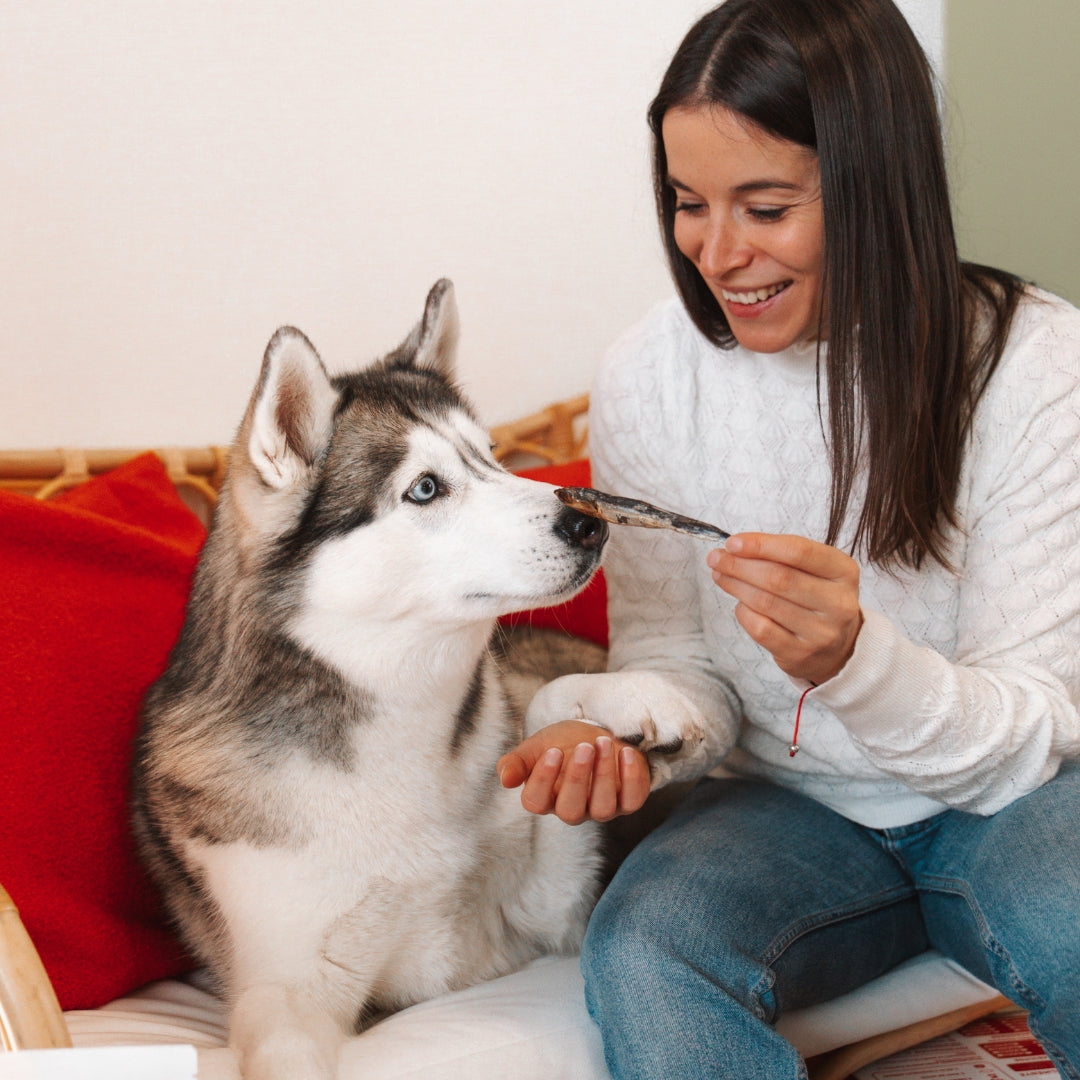
After three months on Natuka BARF, Bruno’s skin flare-ups have become genuinely infrequent. His vet was pleased at the last check-up – not dismissive of the dietary change, which I half expected, but actually interested in the protein rotation we’d moved to. The hydration from wet food, I think, also made a real difference. His kidney markers were better than the previous year’s bloodwork.
The One Honest Downside
Freezer space. That’s the real constraint. Natuka delivers cold-chain, and you need room to keep it properly. Our kitchen freezer handled it fine for Bruno – he’s a medium-sized dog – but if you have a large breed or multiple dogs, you should genuinely think through your storage before you commit. It’s not a dealbreaker, and the delivery scheduling helps you plan ahead, but it’s a real logistical consideration that I’d rather tell you about upfront than gloss over.
Is BARF Right for Every Allergic Dog?
That’s the question I get asked most often since I started writing about this. Honestly? Probably not every case. Dogs with certain autoimmune conditions, immunocompromised dogs, or dogs recovering from specific gut surgeries may have contraindications to raw feeding that a vet needs to assess individually. BARF is not a substitute for a veterinary diagnosis. If your dog has never been properly allergy-tested – and the range of things that can look like food allergies, from environmental triggers to contact dermatitis, is genuinely wide – that step matters.
But for a dog with confirmed or strongly suspected food sensitivities, where you’ve cycled through commercial options and keep running into the same wall? A vet-formulated raw option removes so many variables at once that it gives you real information. With Natuka specifically, the veterinary oversight means you’re not making nutritional guesses – and for a dog whose immune system is already on a hair trigger, that matters more than any single ingredient choice.
A vet-formulated raw diet addresses what goes into the bowl and what stays out – and for a sensitive dog, both halves of that equation count.
Three Months On – What I’d Tell My Past Self
Stop waiting for the next hypoallergenic kibble to be the answer. The common thread through everything that didn’t work for Bruno was processing and additives, not any particular protein. Once I understood that, the logic of minimal-ingredient raw feeding stopped sounding fringe and started sounding obvious. The transition period matters – go slowly, introduce proteins one at a time, and actually track what you observe rather than relying on memory. And if you’re going the commercial BARF route rather than DIY, the vet formulation backing genuinely matters for peace of mind.
Bruno is still not a dog who can eat anything without thought. He probably never will be. But he’s comfortable now – genuinely comfortable, in a way that two years of expensive prescription food never quite managed. For an allergic dog, that’s not a small thing.
