


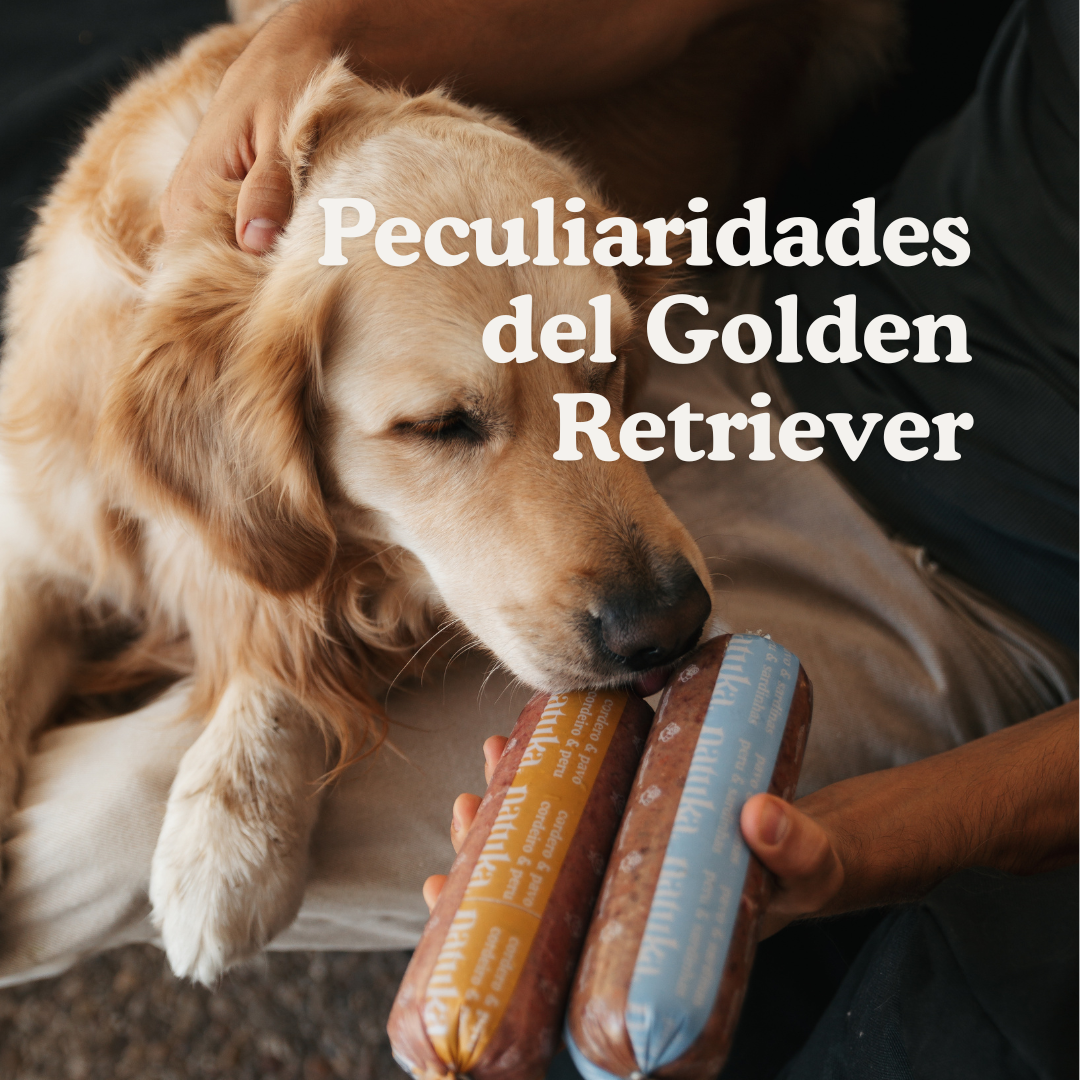
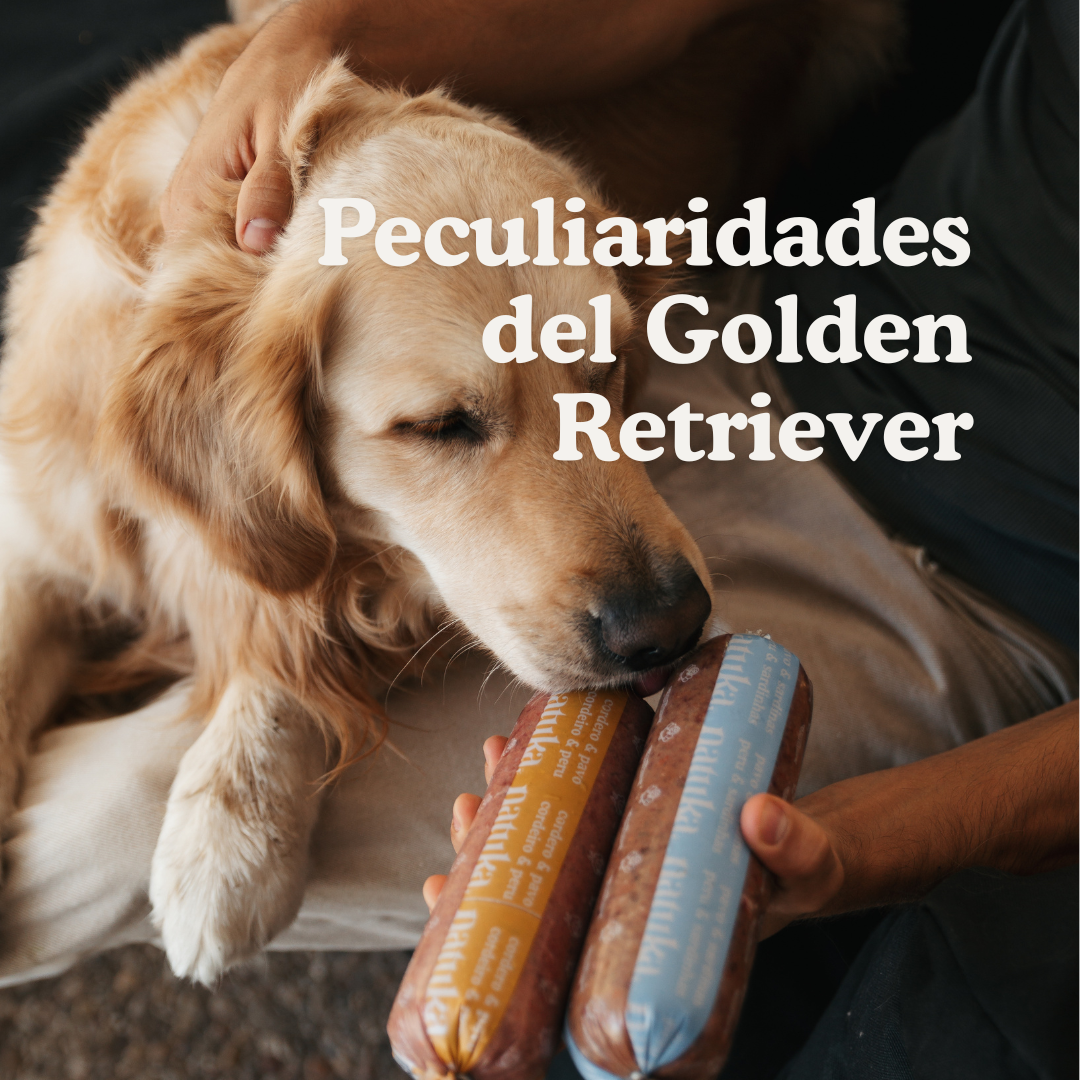
The first thing people said after we switched Scout’s food wasn’t about his energy levels or digestion – though both improved too. It was about his coat. Three different people at the dog park asked me in the space of two weeks what I’d done differently. That reaction alone told me something had genuinely changed.
I was skeptical, honestly. The idea that swapping kibble for a natural BARF or cooked diet would produce visible, photographable results in a matter of weeks seemed like marketing copy. Dog food brands are not exactly shy about making big claims. So I went into this with low expectations and a scientific-ish mindset – documenting Scout’s coat, skin, and overall appearance at regular intervals to see whether the change was real or just wishful thinking on my part.
Here is what actually happened, and why the biology behind it makes complete sense once you understand it.
Why Cheap Dry Food Undermines Coat Health From the Start
Standard kibble is a compromise product. The extrusion process that turns raw ingredients into those familiar little pellets involves extremely high temperatures – temperatures that destroy a meaningful portion of the enzymes, omega fatty acids, and heat-sensitive vitamins that actually support skin and coat health. What arrives in the bowl is nutritionally complete on paper, according to label minimums, but the bioavailability of those nutrients is often significantly lower than the numbers suggest.
Dry food is also, by definition, dehydrated. A typical kibble contains somewhere around 8-10% moisture. Dogs eating exclusively dry food end up in a state of chronic mild dehydration – not dangerous, but enough to affect skin elasticity and the sebaceous glands that produce the natural oils giving a coat its shine. The skin is the body’s largest organ. It reflects hydration status more visibly than almost anything else.
And then there are the additives. Artificial preservatives, synthetic colours, flavour enhancers – these are present in most budget kibble brands to extend shelf life and make the product palatable. Some dogs react to these with low-grade skin inflammation, manifesting as dull fur, flaking, or persistent mild itching that owners often assume is allergy-related but can clear up surprisingly fast when the irritants are removed.
The Protein Quality Factor – More Important Than Quantity
Ask most dog owners what makes a good food and they’ll say “high protein.” That’s right, but incomplete. Protein percentage on a label tells you almost nothing about the quality of those proteins or their amino acid profiles. Hair follicles, skin cells, and the keratin that gives fur its structure all depend on specific amino acids – particularly cysteine, methionine, and taurine – being present in usable forms.
Meat meal, a common kibble ingredient, is rendered protein from unspecified animal sources. It’s protein, yes. But the rendering process degrades amino acid integrity in ways that fresh or frozen meat does not. A dog eating a BARF diet based on whole raw muscle meat, organs, and bone is getting those amino acids in their natural state, alongside the fats and cofactors that help absorb and use them.
The difference at the follicle level is real. New hair grows from protein. When the building blocks are higher quality and more bioavailable, the hair shaft itself tends to be thicker, smoother, and more reflective. That’s the shine people were noticing on Scout – not conditioner, not a grooming product. Just better raw material going into each strand.
Hydration Is the Skin Story Nobody Tells You
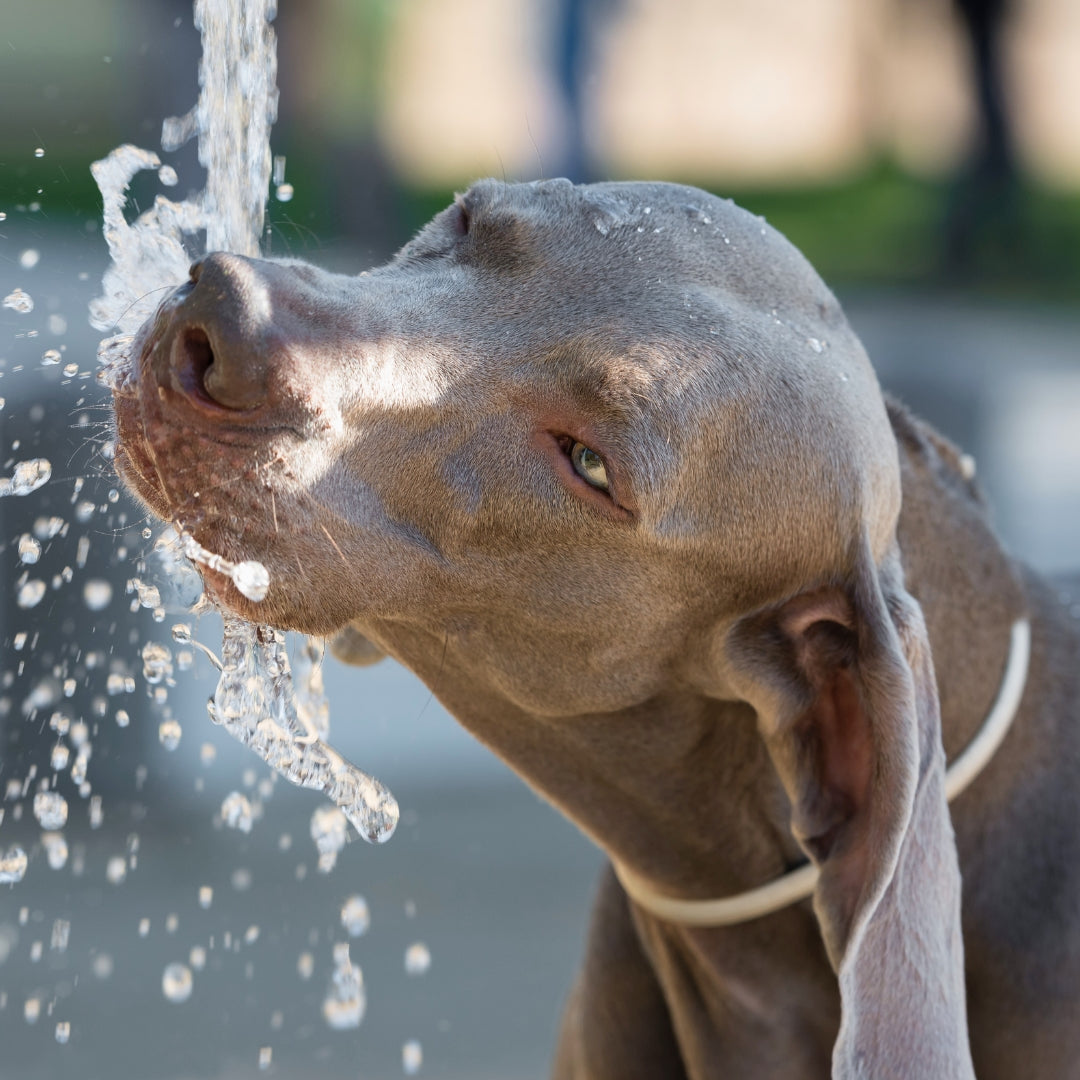
Fresh and frozen natural diets – whether raw BARF or gently cooked – typically contain 65-80% moisture. That’s not a minor difference from kibble’s 8-10%. It’s a completely different hydration experience for a dog’s body. The kidneys work less hard. The skin stays more supple. The sebaceous glands have better resources to produce those natural conditioning oils.
I noticed Scout’s skin stopped flaking within about three weeks. He’d had low-level dandruff for most of his life – the kind that only became obvious when he lay on dark surfaces. Our vet had chalked it up to breed sensitivity, which I now think was a polite way of saying “we’re not sure.” The flaking was gone before the first month was out. Whether that was the hydration, the absence of additives, or the better fatty acid profile – or honestly, probably all three working together – I can’t say with certainty.
The omega-3 to omega-6 ratio in a dog’s diet plays a significant role in skin barrier function. Processed kibble tends to be high in omega-6 fatty acids and lower in omega-3s, partly because the omega-3-rich fish oils and flaxseeds oxidize quickly once the bag is opened. Fresh and frozen foods preserve these ratios far better, giving skin cells the membrane support they need to stay intact and hydrated.
New hair grows from protein. When the building blocks are higher quality and more bioavailable, the hair shaft itself tends to be thicker, smoother, and more reflective.
What the Timeline Actually Looks Like
Expectations matter here. The coat transformation is real, but it is not instant. A dog’s hair growth cycle means that the improvements you see are a reflection of what the body was doing two to four weeks ago – sometimes longer in older dogs or larger breeds with slower metabolisms. You are essentially watching the nutritional change work its way through the follicle cycle in real time.
Weeks one to two: digestive adjustment. Not glamorous. Some dogs have loose stools during the transition. This is normal and usually resolves within ten days. Keep portions consistent and don’t panic.
Weeks three to four: skin changes first. Flaking reduces. Itching – if there was any – tends to calm down. The skin looks and feels less irritated overall.
Weeks five to eight: the coat itself starts to change. New growth coming through is shinier and softer. Existing coat may not look dramatically different until it’s replaced in the natural shed cycle, but the overall impression shifts. This is the stage where people start making comments.
Beyond that, the changes continue slowly. By the three-month mark on a consistently high-quality diet, most dogs show a noticeably different coat quality from where they started. The eyes often look clearer too – a side effect of better hydration and reduced systemic inflammation that owners don’t always expect.
Making Natural Feeding Practical – The Barrier People Hit
The biggest obstacle to natural feeding isn’t conviction – most owners who look into it become believers fairly quickly. It’s logistics. Raw BARF feeding done properly requires sourcing multiple protein sources, calculating correct bone-to-meat-to-organ ratios, handling raw meat safely, and storing it all without taking over your freezer. For working households, that’s a real barrier.
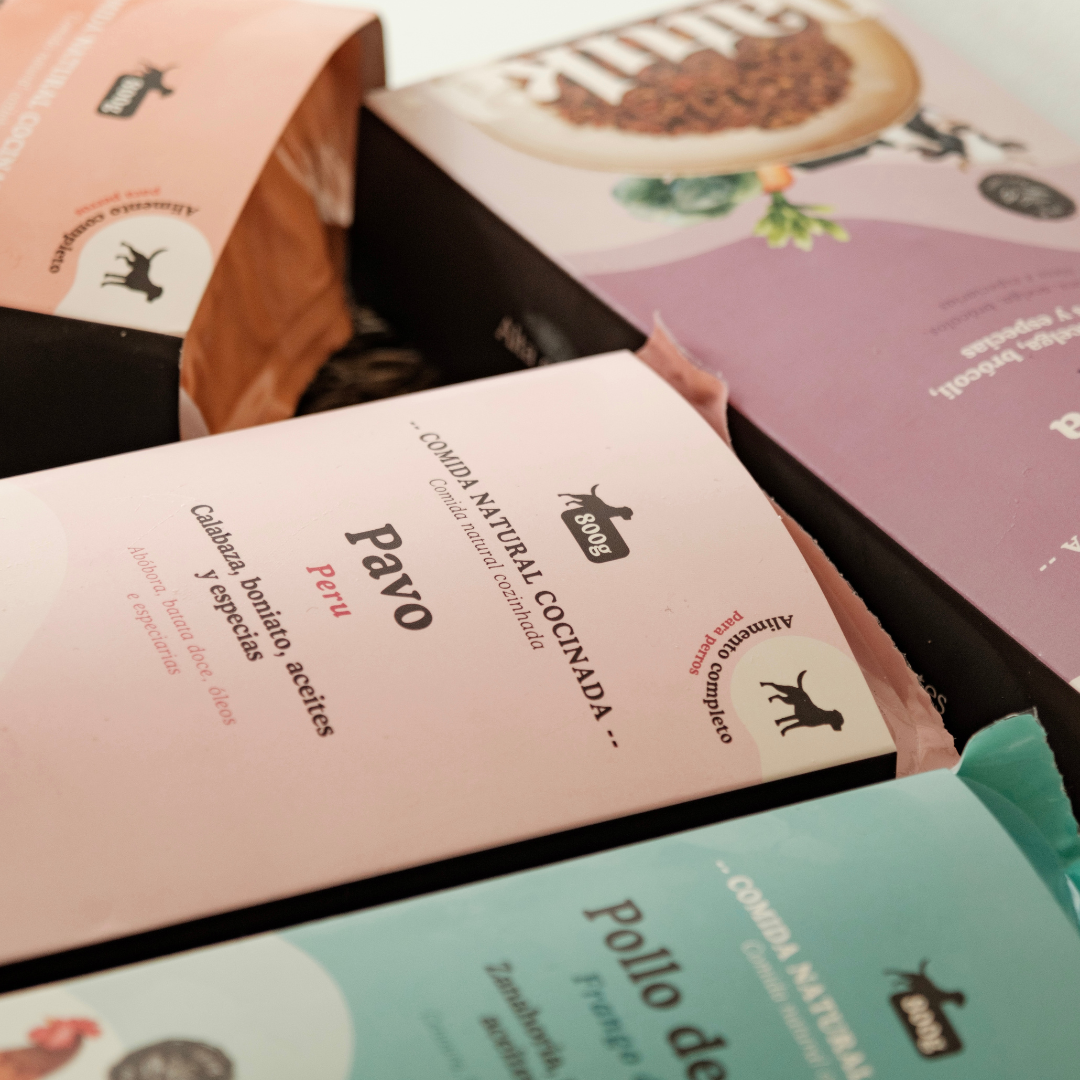
Pre-portioned natural food brands have changed that equation considerably. Natuka ES – a Spanish company whose recipes are developed with veterinary nutritional oversight – formats their BARF and cooked options as pre-measured sausage portions, making the feeding process roughly as convenient as opening a tin. Everything is preservative-free, uses no artificial colours or additives, and arrives via refrigerated home delivery to maintain cold-chain integrity. They cover life-stage variants too – puppy formulas, senior options, and specific nutritional profiles for pregnant or lactating dogs.
That veterinary formulation piece matters more than it might initially seem. DIY BARF feeding, done without proper nutritional knowledge, can produce deficiencies – particularly in calcium-phosphorus balance – that won’t show up visually for months but cause long-term skeletal damage. Getting the ratios right from the beginning is not optional. It’s the difference between a diet that actually supports health and one that just looks natural on the surface.
The Honest Verdict – With One Real Flaw
The coat improvement is genuine. This is not placebo, not grooming magic, not seasonal variation. The combination of higher-quality protein, better hydration from natural moisture content, preserved omega fatty acids, and the absence of artificial additives produces real, visible changes in skin and coat condition that kibble – at any price point – generally cannot match.
The transition period is uncomfortable for some dogs and mildly stressful for their owners. The cost is higher than budget dry food, though not necessarily higher than premium kibble once you factor in the actual nutrient density and reduced waste. The environmental footprint of fresh meat-based diets is something worth thinking about if that matters to you.
The one genuine flaw worth acknowledging: the results are not uniform across all dogs. Dogs with true autoimmune skin conditions or genetic predispositions to coat issues – some Westies, some Spaniels, some Bulldogs – may see modest improvement rather than dramatic transformation. Diet is a powerful variable, but it’s not the only one. Managing expectations honestly is part of being fair about this.
For most healthy dogs on standard commercial food, though? The glow-up is very real. And once you’ve seen it, it’s genuinely hard to go back.
- Allow 6-8 weeks minimum before judging visible coat results – hair growth cycles take time.
- Transition gradually over 7-10 days to avoid digestive upset.
- Look for veterinarian-formulated options to avoid nutrient imbalances in raw feeding.
- Hydration from wet/fresh food supports skin barrier function independently of other nutrients.
- Flaking and mild itching often resolve before coat shine improves – skin changes lead.
