


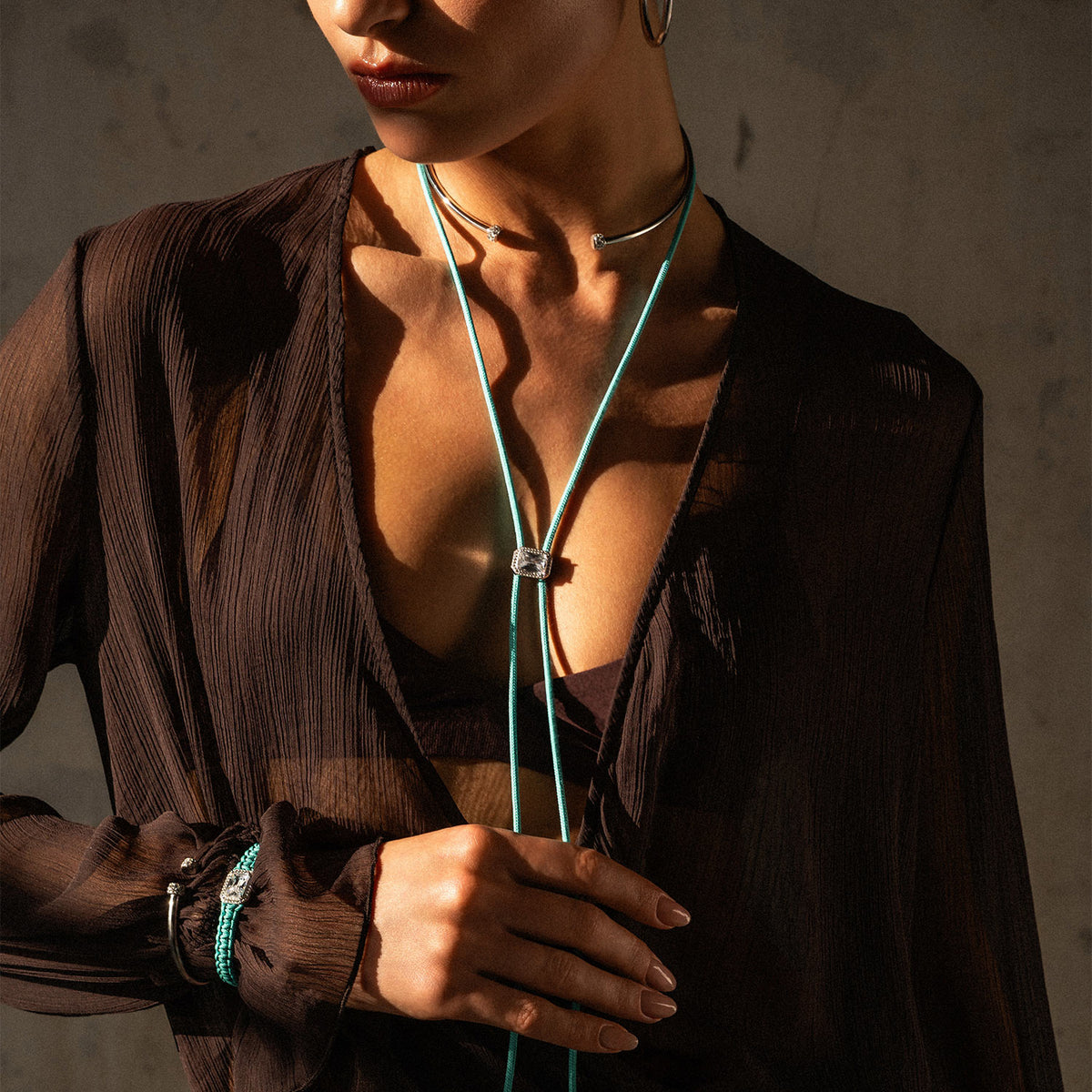
You’ve been staring at two pieces of jewelry for ten minutes. One is silver – cool, sleek, effortlessly modern. The other is 18K gold – warm, luminous, undeniably classic. Both are beautiful. Both are expensive enough that you don’t want to regret the choice. So which one do you actually pick?
This question comes up every time someone starts building a real jewelry collection – actually thinking about what they wear, how they live, and what will still feel right five years from now. The honest answer depends on a handful of factors most buying guides gloss over.
What “925 Sterling Silver” and “18K Gold” Actually Mean
Start with the basics – because the numbers matter more than most people realize. 925 sterling silver means the metal is 92.5% pure silver, alloyed with 7.5% copper or zinc to add strength. Pure silver (999) is far too soft for everyday jewelry. The alloy is what makes it workable, durable, and affordably priced.
18K gold, on the other hand, contains 75% pure gold – with the remaining 25% being a mix of metals that give it durability and, depending on the alloy blend, its final color (yellow, white, or rose). The higher the karat, the richer the gold content, the softer the metal, and – predictably – the higher the price. 18K sits in a practical sweet spot: genuinely luxurious, yet hard enough for daily use.
These are not just marketing labels. The percentages have real implications for how each material ages and behaves on your skin.
Durability: Which One Actually Holds Up
Here’s where things get nuanced. Sterling silver is harder than 18K gold – technically speaking. The copper in the alloy makes it more resistant to physical scratching than higher-karat gold. But silver has one significant vulnerability that gold does not: it tarnishes. Exposure to air, moisture, sweat, and certain skin chemistries causes the surface to darken over time. That’s not damage – it’s a natural chemical reaction – but it does require periodic cleaning and occasional polishing to keep it looking bright.
18K gold does not tarnish. Full stop. It may pick up scratches and develop a warm patina with wear, but it will never turn dull or dark the way silver can. For pieces you plan to wear every single day – rings, delicate necklaces, anything that touches your skin constantly – gold’s low-maintenance nature is a genuine advantage that compounds over years.
That said, silver responds well to care. A soft cloth every few weeks usually restores the shine. It’s not fragile – it just asks more attention than gold.

Price: The Gap Is Real, and It Matters
There is no getting around this. 18K gold costs significantly more than 925 sterling silver – sometimes three to five times more for a comparable piece, occasionally even higher depending on the design complexity. That gap exists because gold itself is a more precious commodity, and the craftsmanship required to work it is typically more specialized.
What makes this interesting with a brand like Rue des Mille – an Italian jeweler based in Arezzo, Tuscany, a city with centuries of goldsmithing heritage – is that both materials live within the same design universe. You can choose the silver version of a piece and get identical Italian handcraftsmanship, identical attention to detail, and the same design DNA. You’re not settling for a budget alternative. You’re choosing a different material expression of the same creative vision.
This matters if you’re trying to build a collection gradually. Starting with sterling silver lets you invest in more pieces – or in personalization – without compromising on quality. Then, when you’re ready to add something truly permanent, you move toward gold with clear eyes about what you’re paying for.
Skin Tone and Styling: Getting the Aesthetics Right
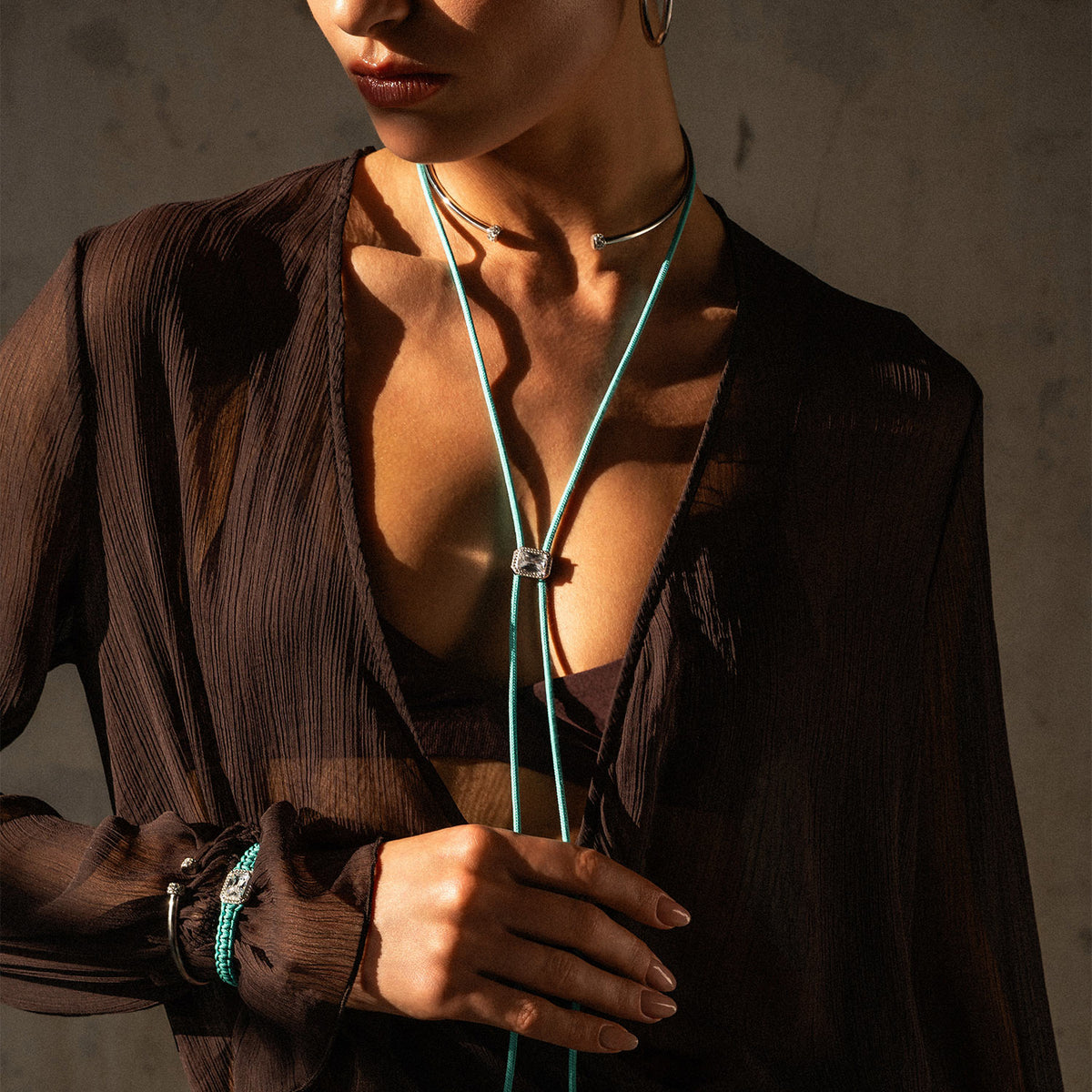
Conventional wisdom says gold flatters warm skin tones and silver suits cool ones. Honestly? That rule is useful as a starting point, but it breaks in practice. What holds more consistently: silver reads cooler, sharper, more contemporary – it layers effortlessly and doesn’t compete with clothing colors. Gold adds warmth and ceremony. A single 18K yellow gold piece can elevate a simple look in a way silver sometimes can’t quite match. Rose gold sits between the two and flatters the widest range of complexions.
For milestone occasions – graduations, baptisms, significant gifts – gold carries more symbolic weight. Silver is the better daily companion. That distinction, more than skin tone theory, is usually the cleaner deciding factor.
The question isn’t which metal is better. It’s which one fits the life you’re actually living right now – and which one you’re building toward.
Personalization: Where the Decision Gets Personal
One factor that rarely gets discussed in metal comparisons: what you can do with the piece beyond the base design. Engraving works in both materials, but reads differently – graphic and modern in silver, classic and heirloom-adjacent in gold. If you’re building a charm bracelet through something like Rue des Mille’s CharmBar configurator, the metal choice shapes the whole visual register of the piece. Mixing metals is increasingly popular, but requires a deliberate eye.
A piece engraved with a name, a date, or a meaningful symbol becomes an object with memory – not just decoration. Both silver and gold carry that potential equally. What changes is the occasion and the budget behind it.
Long-Term Value and Wear
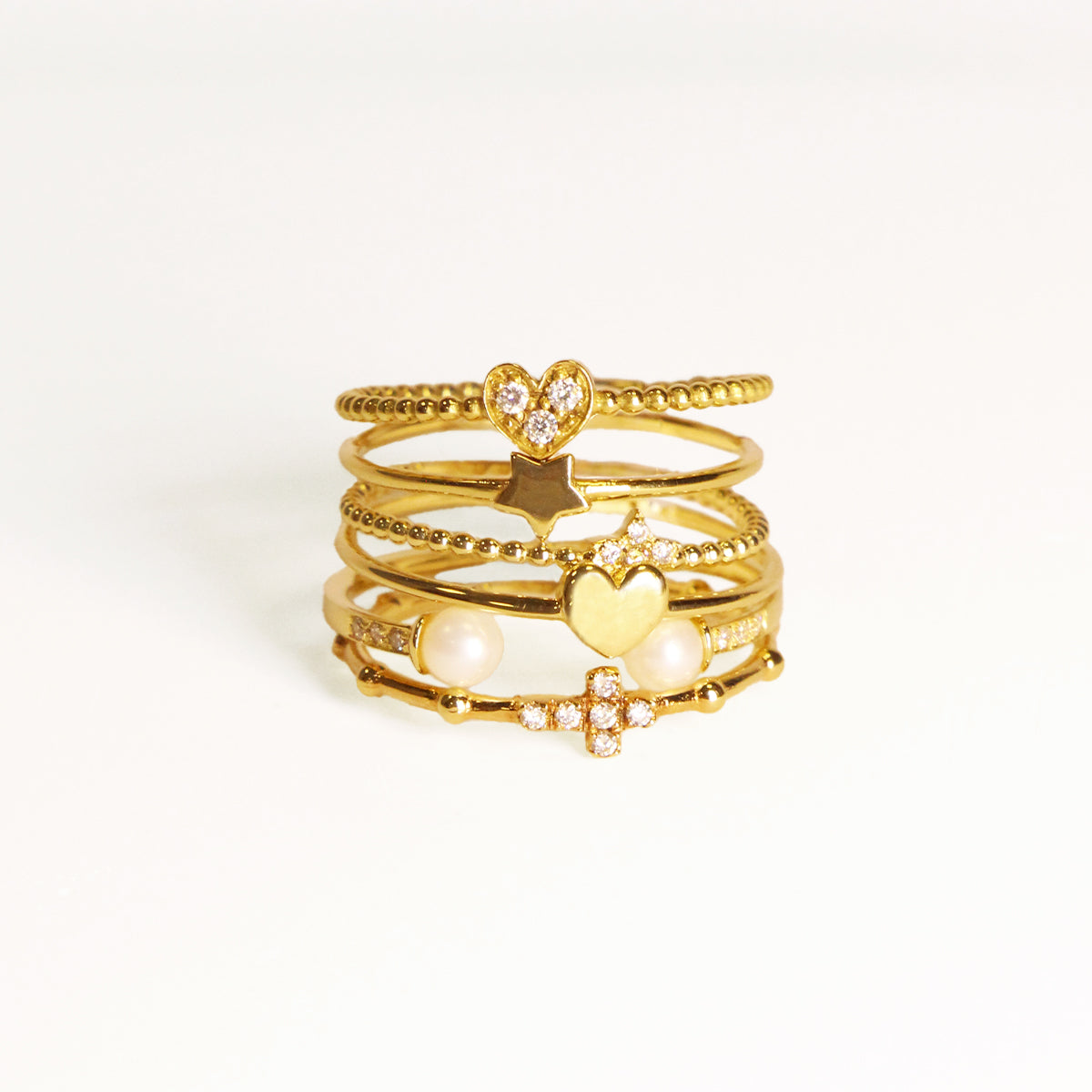
Does jewelry hold its value? Rarely, at the retail level. What you’re buying is wearable, meaningful craft – not a financial instrument. That said, gold retains intrinsic metal value in a way silver doesn’t quite match. A well-made 18K piece has real material worth independent of the craftsmanship, which matters if you’re choosing between genuine 18K and a gold-plated alternative someone is presenting as equivalent.
Longevity of appearance is the more relevant measure. A well-maintained silver piece lasts decades. A well-made 18K gold piece looks exceptional for generations with minimal effort. That upfront premium sometimes makes more sense over a 20-year horizon than the initial price difference suggests.
The One Honest Flaw to Acknowledge
Here’s the one thing that complicates the silver case more than people expect: if you have a nickel sensitivity or reactive skin chemistry, sterling silver’s copper alloy can occasionally cause mild irritation. Not common, rarely severe – but it happens. People who experience this often find that 18K gold, which uses less reactive alloy combinations, sits better on sensitive skin.
This isn’t a reason to avoid silver. Pay attention to how your skin responds in the first few wears. Switching to gold is a legitimate solution – not a sign that jewelry simply doesn’t work for you.
So – Which One Should You Actually Choose?
Pick silver if you want versatility, value, and a modern aesthetic you can build on gradually. It pairs with more outfits, costs less per piece, and when you’re buying from a brand with genuine craft credentials – handmade in Arezzo, not assembled from components – you’re still getting something genuinely special. The maintenance is real but manageable.
Pick gold if you want something that asks almost nothing of you day-to-day, carries warmth and formality into important occasions, and feels like a decision you’ll never second-guess. The premium is substantial. But for pieces you’ll wear every day for the next twenty years – an engagement-adjacent ring, a significant birthday gift, a piece that marks something real – it’s often the right one to make.
And if you’re still not sure? That’s actually fine. Most people who care about jewelry end up with both. They just start with one – usually silver – and discover over time what they reach for and what they save for. That trajectory tends to answer the question better than any guide could.
