


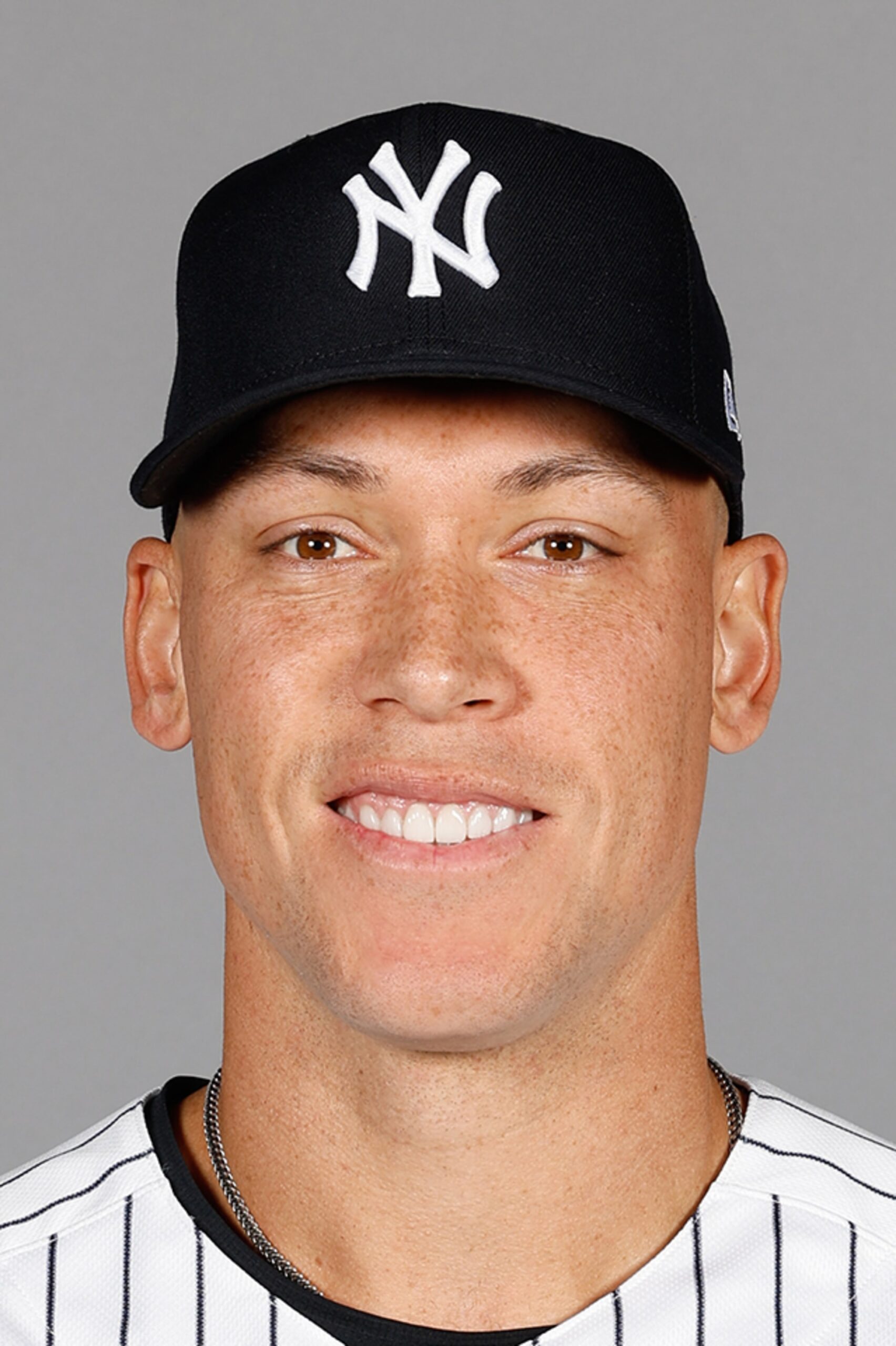
There is a version of this story that writes itself in pure mythology. Twenty-seven World Series titles. Fifty-two Hall of Famers. Babe Ruth, Lou Gehrig, Joe DiMaggio, Mickey Mantle, Derek Jeter, Mariano Rivera – names that carry so much gravity they almost feel fictional. When you hear that the New York Yankees are your subject, the temptation is to lean on the legend and let history do the heavy lifting. But here’s the thing – 2026 doesn’t need myth to be worth your attention. It has Aaron Judge.
The Weight of 27 Championships
Let’s be honest for a second. Walking into every game as the franchise with more championships than any organization in Major League Baseball history is either the greatest inheritance in sport – or an almost suffocating kind of pressure. Maybe both, depending on the night. The Yankees don’t get to quietly rebuild. They don’t get grace periods. The fanbase and the front office hold each other to a standard that was set when Babe Ruth was pointing at the outfield bleachers, and that standard hasn’t softened much since.
What changes, though, is the shape of the roster that’s expected to honor it. The core question heading into 2026 is whether this particular squad – this blend of proven veterans, a generational star at his absolute peak, and a handful of young players who are starting to look genuinely dangerous – can make that conversation feel real again after years of near-misses and what-ifs. The short answer is yes. The longer answer is more interesting.
Aaron Judge: A Dynasty’s Most Important Player in Decades
You don’t watch the 2026 Yankees without watching Aaron Judge first. That’s just the reality. He is 6’7″, hits the ball in ways that seem physically implausible, and has spent the last few seasons producing at a level that puts him comfortably in the conversation with the best hitters this sport has ever seen. Back-to-back MVP-caliber performance isn’t a fluke – it’s a pattern, and patterns tell you something.
What makes Judge particularly fascinating isn’t just the raw numbers – it’s the way the team visibly recalibrates when he steps into the batter’s box. Pitchers change their approach. Infields shift in ways they don’t shift for other hitters. The crowd at Yankee Stadium changes its collective breathing. That kind of player gravity is rare. You might see it a handful of times in a generation, and right now it’s wearing pinstripes in the Bronx.
He also carries the captaincy – both literally and in terms of organizational DNA. After Derek Jeter retired, the Yankees went years without a captain. Judge wears that responsibility in a way that feels earned rather than assigned. The younger players on the roster talk about him in terms that sound like they’re describing someone who genuinely sets the tone – not by speech, but by approach. That matters when you’re trying to blend a roster that spans very different generations.
The 2026 Yankees don’t trade on nostalgia alone – they have a generational talent in his prime, an elite rotation anchor, and a young core that is starting to look like something real.
Gerrit Cole and the Art of Anchoring a Rotation
A great lineup without a great rotation is just organized hope. The Yankees understand this – which is why Gerrit Cole’s presence at the top of the pitching staff matters so much to what this team can actually accomplish in 2026.
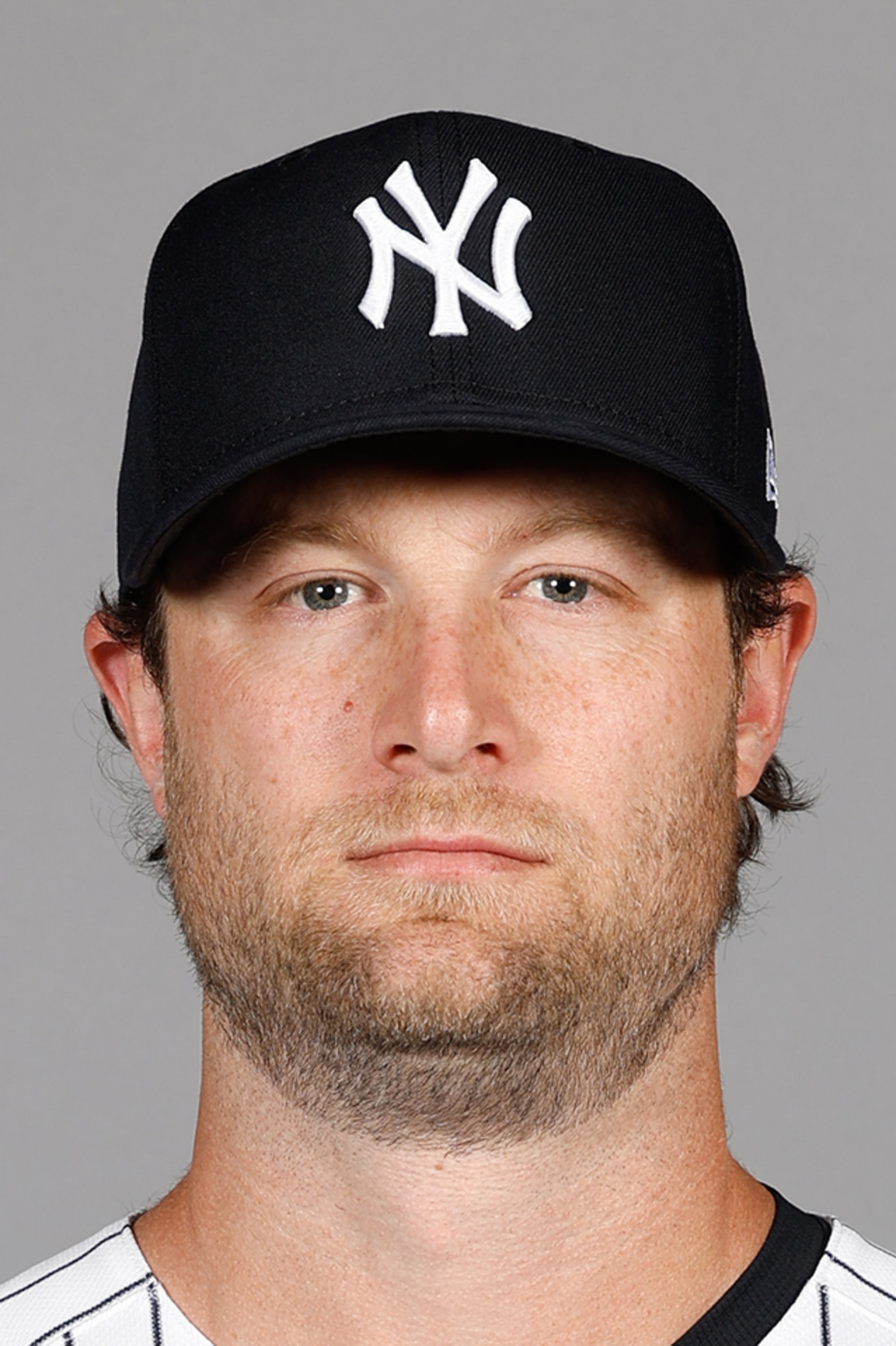
Cole is what a true ace looks like in modern baseball. Elite fastball command. A breaking ball that batters know is coming and still can’t consistently handle. A preparation routine that other pitchers in the clubhouse quietly model their own habits around. When Cole takes the mound, the Yankees are a different team – not because the lineup changes, but because the margin for error on the other side suddenly shrinks to almost nothing.
The rotation around Cole is still being tested, still finding its form in some stretches. That’s worth admitting. But the anchor holds, and in baseball – especially in October, when rotations get compressed and every start feels like a verdict – having one guy who you absolutely trust in a decisive game is worth more than most front offices want to publicly acknowledge. The Yankees have that guy.
The Young Core: Volpe, Chisholm, and the Next Chapter
Here’s where it gets genuinely exciting – and maybe a little unpredictable. Anthony Volpe at shortstop is not a promise anymore. He’s a reality. The kid who came up with enormous expectations and initially felt the weight of them has settled into himself as a legitimate big-league presence. His range in the field is special. His at-bats have matured in ways that suggest the offensive ceiling is still being discovered.
Jazz Chisholm Jr. brings something different entirely. He plays with an energy that feels almost confrontational – not toward opponents exactly, but toward the idea that baseball has to be played a certain careful way. His athleticism is the kind that makes highlight reels look pre-planned. The question with Chisholm – and this is a fair question, not a criticism – has always been health and durability. When he’s on the field and right, he changes what this offense looks like in ways that go well beyond the stat line.
These two, alongside Judge, create an offense that has real texture. Power from the right side. Speed in places teams don’t expect it. The kind of lineup depth that forces opposing managers to make uncomfortable decisions about matchups and bullpen sequencing. That’s not an accident – that’s roster construction working the way it’s supposed to.
What Yankee Stadium Actually Adds to All of This
There’s a case to be made – and I think it’s a strong one – that the venue itself is part of the product in a way that doesn’t fully apply to most other franchises. Yankee Stadium in the Bronx, which opened in 2009 and seats over 46,000 people, is not just a ballpark. It hosted the 2024 World Series. It hosts international soccer and football events. It has a Yankees Museum inside it that covers more than a century of organizational history.
When you watch a game in that building – or even on television with the camera pulling back to show the full crowd – you feel the weight of what’s been accomplished there. That’s not manufactured atmosphere. It’s accumulated history, and it functions as a kind of constant pressure on the team wearing the pinstripes. You’re playing in front of 52 Hall of Famers’ ghosts every night. Some players buckle under that. The ones who thrive there tend to be genuinely special.

The Honest Verdict – and the One Real Concern
Is this the best Yankees roster in recent memory? That’s probably too strong a claim. There are questions about rotation depth beyond Cole that the season will answer more clearly than any preseason projection can. That is the one genuine structural concern hanging over 2026 – not the lineup, not the defense, not the management. The second and third starters need to hold up over a full season and into October. If they do, this team is a legitimate World Series contender. If they don’t, the offense will carry more than it should, and Judge will spend some nights doing the heavy lifting alone.
But here is what I keep coming back to – the Yankees are more interesting right now than they have been at various points in the last decade. They have a player who might be the best right-handed hitter of his generation. They have an ace who makes every fifth day feel like a destination game. They have young talent that is starting to fulfill rather than tease. And they carry 27 championships into every single ballpark they walk into, which means the expectation is never absent, and the standard never drops.
For a casual observer wondering whether this team is worth caring about in 2026 – the answer is yes. Not because of the rings. Because of what’s actually happening on the field right now, and the real possibility that this roster is building toward something that might add one more to that count.
- Aaron Judge’s health and pace – when he’s in the lineup and locked in, this team’s offensive ceiling rises dramatically.
- Rotation depth behind Cole – the second and third starters will define whether this is a contender or a near-miss by October.
- Volpe and Chisholm’s development arc – if both stay healthy and keep growing, the Yankees have a core that can carry this franchise for years past 2026.
