


Every parent knows that moment. Your child spots a book – on a friend’s shelf, in a school corridor, in the hands of a cousin – and something lights up in them. Not a screen-glow. Something quieter and more lasting. You want to hand them that book right then. You want to hand them ten more like it. And then you check the price tag and quietly put it back on the shelf.
That gap between what kids genuinely want to read and what parents feel they can buy without wincing – it’s real, and it matters. Physical books aren’t a luxury, exactly. But at full retail price, building a real home library for a reading child can feel like one. This is where the maths of gifting starts to shift, if you know where to look.
Why Physical Books Still Matter – More Than You Might Think
The screens-versus-books conversation in parenting circles can feel a bit tired, but it keeps pointing the same way: children who grow up with physical books in the home read more, and more deeply. That habit tends to carry into adulthood in ways that digital reading hasn’t quite matched yet.
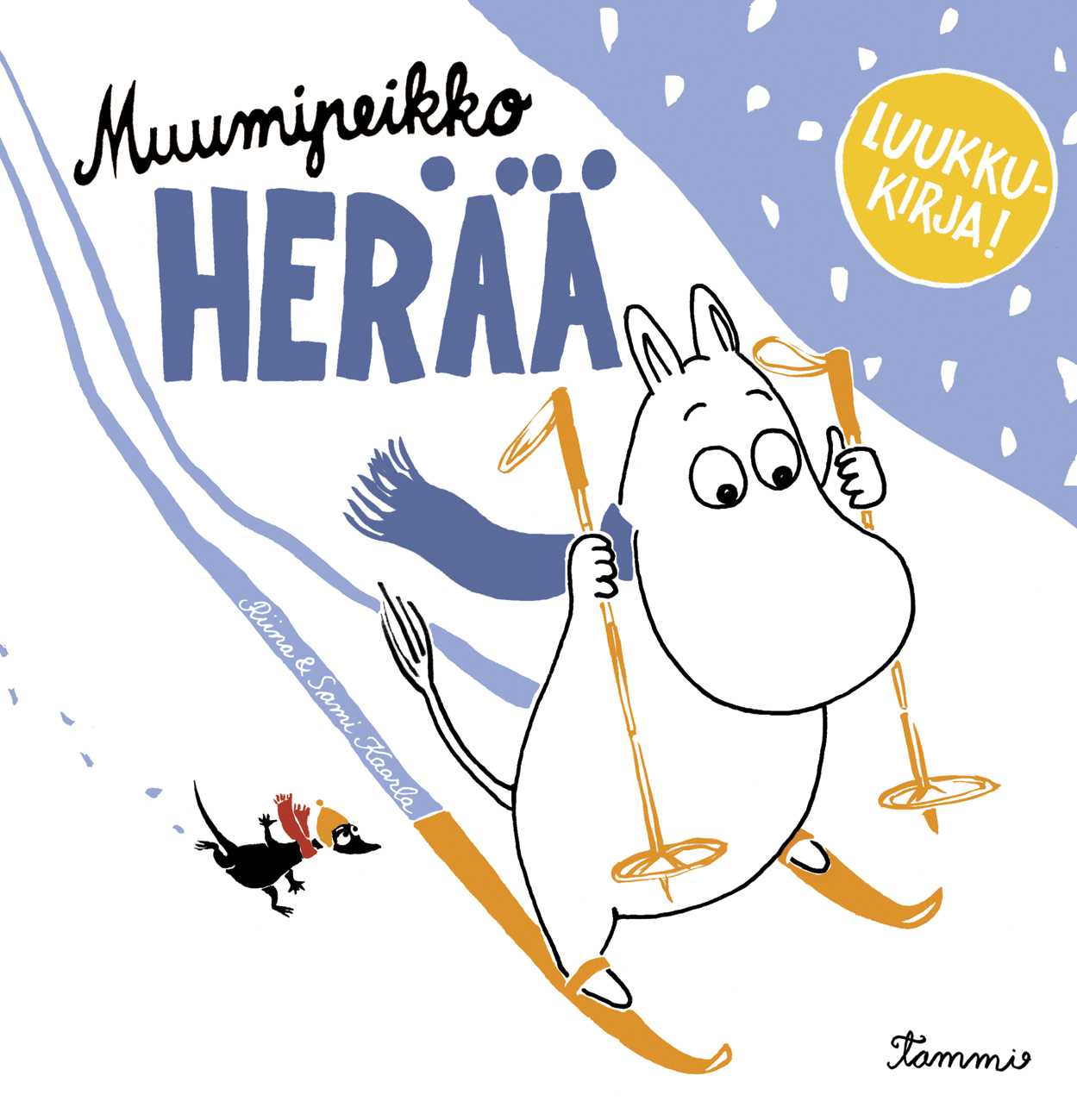
It’s not just literacy scores, though. Think about the ritual. A Moomin story read aloud before bed, the same one for the sixth time, because they asked again. Harry Potter opened on a long train journey, a child completely gone from the carriage for the next three hours. These moments seem unremarkable until you realize that this is how imagination gets built – quietly, one page at a time.
Physical books are also, let’s be honest, more giftable. A beautifully illustrated children’s hardback lands differently than a digital download. It has weight. It gets dog-eared. Some people still have the exact Moomin paperback their grandmother gave them. You can’t say that about an app subscription.

The Real Cost of Stocking a Reading Child’s Shelf
Here’s where it gets uncomfortable. New children’s books – quality ones, illustrated ones, the ones kids actually want – are expensive. A hardback from a major series can run to fifteen, eighteen, twenty euros without blinking. If you have a voracious reader, the kind who gets through a book in two days and immediately wants the next one, full retail pricing is simply not sustainable for most families.
The traditional answer has been libraries. Wonderful – full stop, no argument. But a child who loves a book wants to own it, re-read it, lend it. Borrowing scratches one itch; owning scratches another. The secondhand route is also genuinely worthwhile, but variable. If your child is midway through a specific series, hunting down book four at a charity shop requires luck and patience – neither guaranteed when a nine-year-old is waiting.
So what’s the actual solution for parents who want to build a meaningful reading collection without breaking the bank? That’s the question worth answering.
Outlet Pricing and the Quiet Art of Finding Good Books Cheaply
Discount book retail has been around forever, but the word “discount” covers a lot of ground. Remainder books, bookshop returns, older stock that didn’t move at full price – in almost every case, the books themselves are brand new and entirely intact. The markdown reflects a commercial reality, not a flaw in the product.
BookOutlet.fi operates on exactly this model, and has done so for over two decades through its founder-led parent company. The catalog spans Finnish fiction, Scandinavian crime, English bestsellers, children’s books, non-fiction, cookery, games, and hobby – with discounts from 40% up to 90% off in the outlet section. A Ken Follett hardback at half price. Children’s series titles at 80% off. Finnish-language editions of global classics sitting alongside their English originals.
That last point matters more than it might seem. For families in Finland – or for anyone who wants their child reading in both Finnish and English – this dual-language catalog is genuinely unusual. Most Finnish bookstores stock Finnish titles primarily, with a smaller English section. BookOutlet.fi carries both at depth, which means you can find a Harry Potter in Finnish for one child and the same book in English for another, or give a bilingual household the same story in two languages. That’s a meaningful thing to be able to do at outlet prices.
Building a Gift That Actually Gets Used
The best gifts for reading children are rarely single books. They’re collections. A complete Moomin series. The first four Harry Potters. A stack of Finnish children’s classics that a young reader can work through over a summer. When you can buy five or six quality books for what you’d have paid for one or two at full retail, the gift transforms from a gesture into a genuine library.
Think about what that actually does for a child. Instead of finishing a book and having to wait until the next birthday to continue the story, they have the next one already on the shelf. The reading habit gets fed rather than interrupted. That continuity is valuable in ways that are hard to quantify but easy to observe – any parent who has watched a child disappear into a series will know exactly what this means.
There’s also something to be said for the books becoming part of family life. A well-stocked shelf is a physical record of a child’s reading history. A Moomin book gifted at age five means something different when it’s still there at fifteen. These objects accumulate meaning in ways that digital files simply cannot.

Reading as Family Ritual
A book is, in a very real sense, a self-regulation tool for children. It slows them down. It demands focus. It gives the nervous system a break from the school day, the notifications, the noise. Reading together – comparing notes on the same story, even if you read it separately – is one of the quieter forms of family connection going. No schedule required. Just a book and a bit of time.
A physical book chosen for a specific child says something a gift card cannot: I thought about what you love. I picked this for you.
One Honest Limitation Worth Knowing
The appeal of outlet pricing comes with one genuine trade-off: the stock is what it is. You can’t always guarantee that a specific title in a specific edition will be available at any given moment. The catalog is large – hundreds of thousands of titles – but it shifts. If you’re hunting for one particular book as an urgent gift, you may need a backup plan. This is the honest downside of clearance retail, and it’s worth factoring in when you’re working to a deadline.
For anyone building a collection rather than filling a single order, the selection is more than generous. The children’s section alone spans picture books, early readers, middle grade, young adult – Finnish and English editions running in parallel. Go in with an open mind rather than a fixed list, and you’ll almost certainly come out with more than you planned. For families trying to raise readers, that’s exactly the kind of problem worth having.
Start Small, Stack Up
You don’t need to overhaul a child’s reading life in one go. Start with one series they’re already interested in. Fill out a Finnish classic they’ve mentioned. Add a beloved title in both languages if that fits your family. The point isn’t volume – it’s access. A child who can reach for a real book, a good book, one they’ve been wanting to read, is a child who will read.
And when those books cost a fraction of what they would at full retail, the decision to buy becomes easier. The gift becomes more generous. The shelf fills up faster. That’s not a small thing for families who care about raising readers – it’s actually the whole point.
