


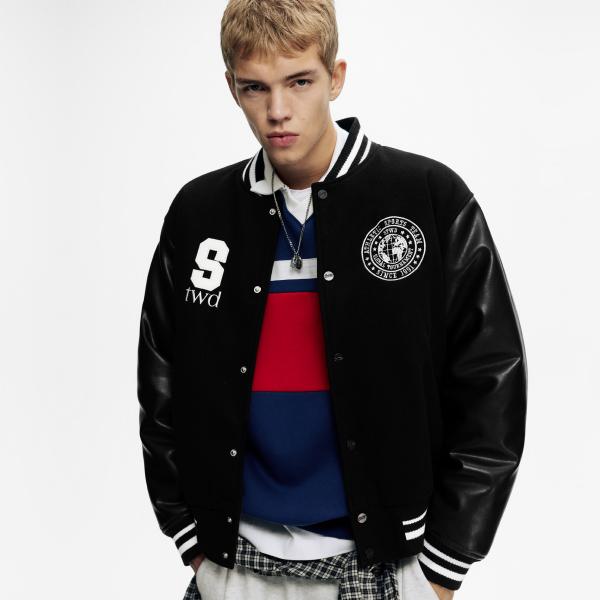
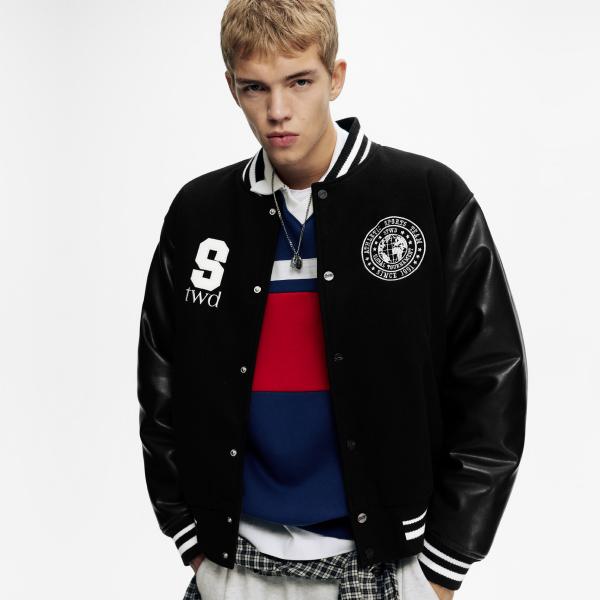
Most of us have had that moment. You spot something genuinely sharp on the street – a cropped graphic hoodie worn just right, a pair of washed-out wide-leg cargos that somehow read polished – and you think: I want that. Right now. Then you spend three weeks hunting for it, only to find the high street has caught up just in time to sell you something that already feels stale. That gap between seeing a trend and wearing it is where a lot of fast fashion brands quietly disappoint. Pull&Bear has spent years making that gap almost disappear.
The Machine Behind the Drop
Pull&Bear sits inside the Inditex group – same parent as Zara, Massimo Dutti, Bershka. That membership matters more than most people realise, because Inditex built its entire model around a supply chain that is genuinely fast. We’re talking design-to-store lead times of around two to three weeks for a significant portion of the range. Not a marketing claim. A structural reality. That’s the reason why scrolling Pull&Bear’s new-arrivals page on a Thursday can feel oddly exciting – the stuff is current in a way that other brands simply cannot match.
Other high-street retailers typically run on lead times of many months – sometimes closer to a year for core planning cycles. By the time a trend gets signed off, sampled, produced overseas, and shipped to UK distribution, the cultural moment has often already moved. Pull&Bear’s model runs shorter production runs, closer to market, and refreshes the site with new drops every week. You stop shopping for what you might want in three months. You shop for what you want right now. That shift sounds small. It isn’t.
Why Streetwear Specifically Benefits
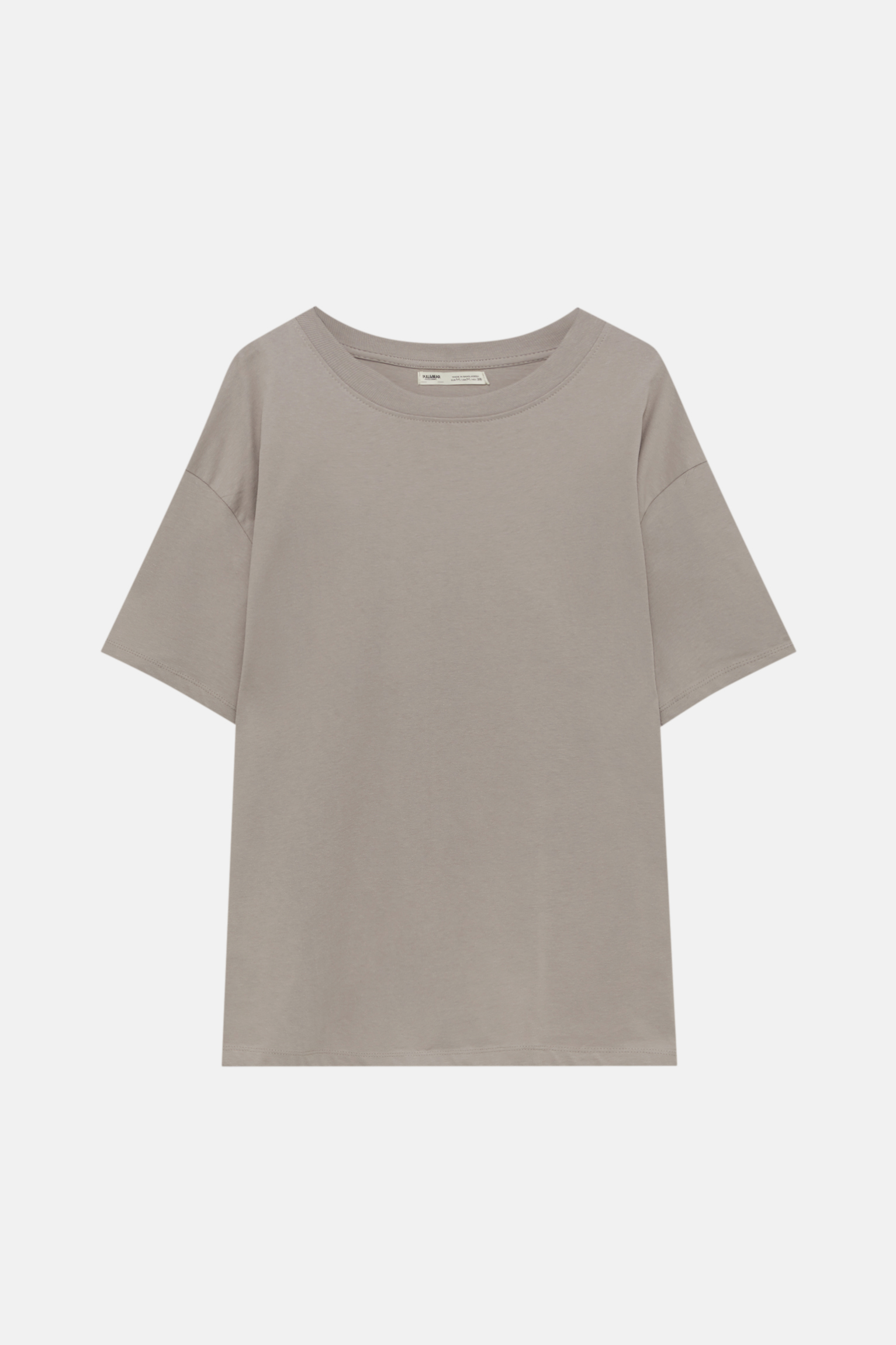
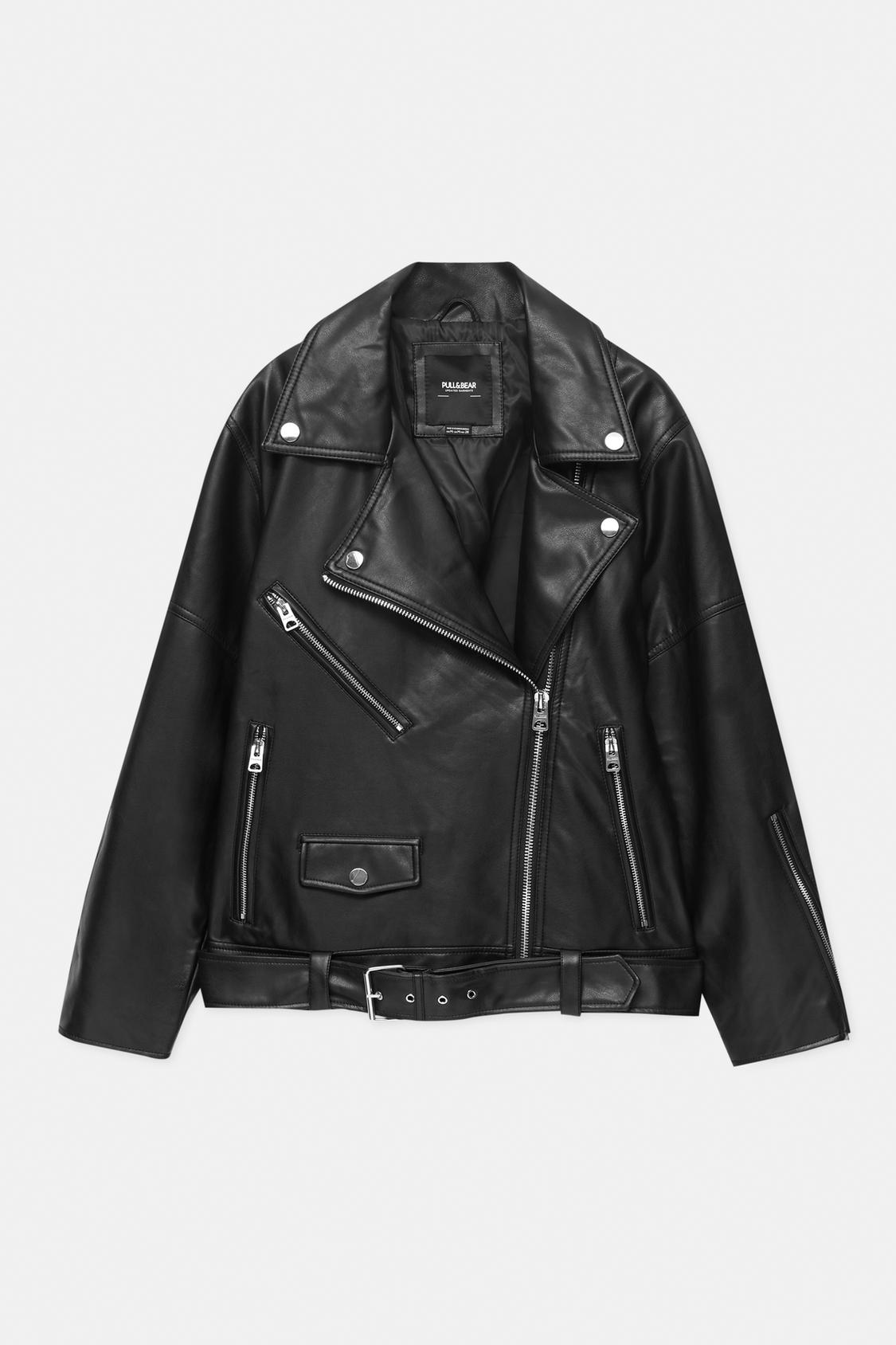
Here’s what separates streetwear from occasion dressing or formal wear: it moves fast, and its entire identity is tied to the present tense. A leather trucker jacket that reads sharp today can feel like a costume in eighteen months. Oversized silhouettes, graphic tees, colour-blocked knitwear, technical fabrics borrowed from sport – these things are absorbed, remixed, and discarded at a pace traditional retail was never designed to match. Timing is not a secondary consideration in street style. Timing is everything.
Pull&Bear’s brand identity is built squarely around this space. Denim and urban casual aren’t occasional detours – they’re the actual foundation. The XDYE line targets the athleisure crossover that has dominated street style for several seasons. An earlier Umbro partnership was telling: it signalled that the brand understood the line between sport and street had dissolved, and that the most relevant looks were pulling from both directions at once. When a brand that thinks this way has a supply chain fast enough to act on what it sees, you get something genuinely useful. New silhouettes on the site are not the result of a buying decision made nine months ago. They’re a response to what’s actually happening right now.
What Weekly Drops Actually Feel Like
There’s a psychological shift that happens when you know a site updates meaningfully every single week. You stop treating it as a seasonal destination and start thinking of it more like a feed – something that repays regular attention. Pull&Bear’s UK site works exactly this way. Check in once a week. The new-arrivals section has genuinely turned over. Miss two weeks and you’ll find pieces that weren’t there before, mixed in with styles that may already have sold down in your size.
That scarcity is partly structural – shorter production runs are a feature of the speed model. But it also creates something many young shoppers genuinely value: the sense that what you’re wearing isn’t going to appear on every third person at the weekend. Volume is lower than a traditional production run, which means pieces feel a little more considered even at accessible price points. Entry pricing sits around the mid-teens in pounds for basics, with denim and knitwear landing competitively below where Zara typically sits – so the barrier to testing a new look is lower than at many rivals. Can I say with certainty that every drop is a hit? No. Some weeks the new-in section is stronger than others. But the frequency means the hits come around regularly enough to keep checking.
More Than Just Clothes
Pull&Bear is not just a clothing brand. Women’s and men’s ranges are genuinely equal in depth – not the token menswear section some brands bolt on as an afterthought, but a proper parallel offering spanning clothing, footwear, bags, and accessories. If you’re building an actual wardrobe rather than grabbing one-off pieces, that breadth matters. You can follow a direction from outer layer to trainers to bag without having to shop across multiple sources.
The Join Life sustainable collection adds another layer. Organic cotton. Recycled fabrics. In-store clothing recycling drop points at the Oxford Street flagship. Does this fully satisfy anyone with deep sustainability concerns? Honestly, probably not on its own. But it means options exist within the range that aren’t purely disposable, which shifts the value equation for shoppers trying to be more considered about what they bring into their lives.
The flagship itself got a significant upgrade. Pull&Bear relocated its Oxford Street store in April 2025 to a larger unit at 207-213 Oxford Street. Bigger floor space. Better edit. For anyone who still wants to feel the fabric before committing, that physical presence is genuinely useful – especially with pullandbear.com/gb/ offering free standard delivery and easy returns alongside it.
The Honest Verdict
Speed-to-trend is a real advantage. Pull&Bear has it. The weekly drop model works. The price point is competitive. The streetwear identity is genuine rather than cynically applied. If you’re a young adult in the UK who cares about what you’re wearing and wants it to actually reflect the cultural moment around you, Pull&Bear UK is worth treating as a weekly destination rather than a seasonal afterthought.
But there’s one thing the speed model doesn’t fully solve: longevity. Pieces priced accessibly and produced quickly are made to a budget. Most hold up fine across a reasonable run of wears and washes – that’s fair. But the construction is not the kind that gets better with age or that you’d expect to pass on. Pull&Bear is genuinely excellent at giving you what’s relevant right now. It is not the right answer if right now means the next decade. Know what you’re buying.
Speed-to-trend only works if the trends are real. Pull&Bear’s Inditex supply chain is fast enough to chase the ones that actually matter – not the ones a buyer guessed at nine months ago.
That caveat noted, something real is shifting in how a certain kind of shopper gets dressed. The gap between spotting something in the wild and wearing your own version of it has genuinely shrunk. For streetwear especially – where being a week ahead reads very differently from being a week behind – that compression is not a small detail. It’s the whole point.
