


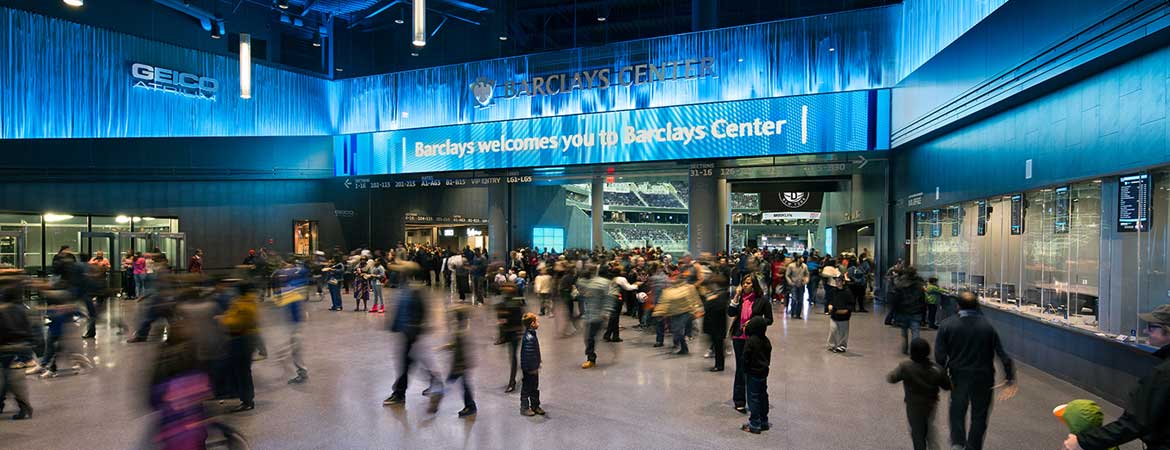
Most people who visit Barclays Center for the first time arrive with low expectations. An arena in Brooklyn – okay. Some basketball team they half-know. Maybe a concert. That’s usually the full picture before you actually walk through the door. And then something shifts.
The building itself stops you. Before you’ve bought a single overpriced drink, you’re standing outside on Atlantic Avenue staring at 12,000 rusted-looking steel panels that somehow manage to feel both industrial and quietly beautiful at the same time. SHoP Architects designed the facade specifically to echo Brooklyn’s brownstone heritage – and even if you didn’t know that, you’d feel it. The texture reads like the borough itself: raw, deliberate, oddly compelling.
A $1 Billion Arena That Earns Every Dollar of That Price Tag
Barclays Center cost around a billion dollars to build, and when critics said that was excessive for a basketball arena, they missed the point entirely. This venue was never just about basketball. From its opening in 2012, it was positioned as a full-spectrum entertainment hub – one that would compete with Madison Square Garden for prestige while pulling Brooklyn’s own identity into the mix.

The numbers back it up. The arena regularly appears on lists of the highest-grossing venues in the United States. Concerts, boxing cards, the NBA Draft, NCAA tournaments, professional wrestling events – the calendar rarely goes quiet here. On any given weekend, the crowd at Barclays might have come to see a Latin pop superstar, a heavyweight title fight, or a Brooklyn Nets home game. The demographics are wildly different each time. The quality of the experience, reportedly, is not.
What does that consistency actually feel like from a visitor’s perspective? That’s the part most travel coverage gets wrong – focusing on what’s happening on the floor rather than what the building itself offers regardless of the event.
Getting In Is Already an Experience
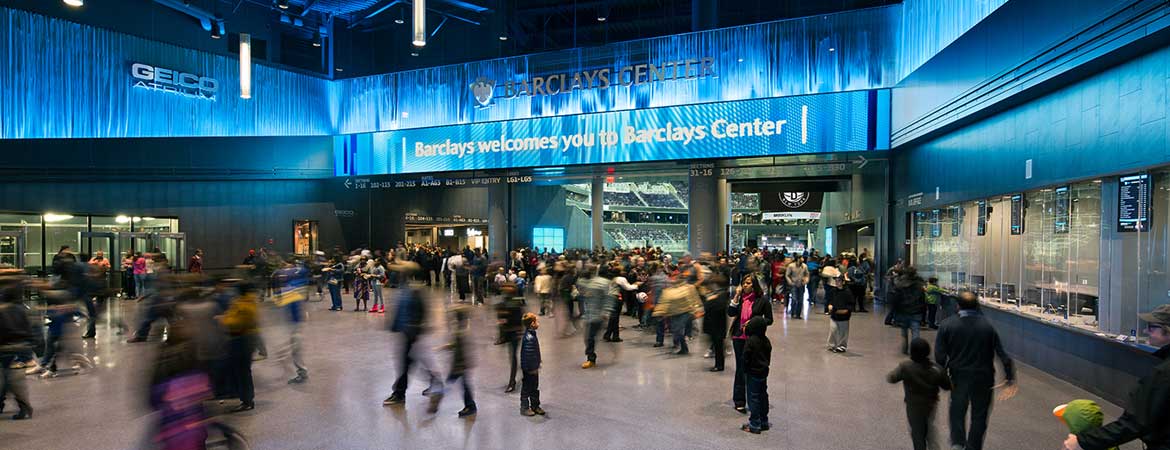
Barclays Center has rolled out Express Entry facial authentication for select ticket holders – one of the first major arenas in the US to make this technology mainstream. The practical benefit is obvious: you skip the physical ticket scan queue and walk through in seconds. But the experience of it is stranger and more interesting than that. You approach a camera, your face processes, a gate opens. For anyone who’s stood in a forty-minute line at a sold-out MSG show, this feels almost surreal.
It’s genuinely impressive – though honestly, the first time it works there’s a brief moment of mild unease too. Fair to acknowledge. The technology is convenient and ahead of most comparable venues in the country, but if data privacy matters to you, check the opt-in details before your visit.
VIP Access Without the Attitude
Premium experiences at arenas often carry an invisible velvet-rope energy that makes them feel exclusionary even when you’re on the right side of the rope. Barclays manages to avoid most of that – which is surprising, and genuinely one of the venue’s underrated strengths.
The Gallagher Terrace is the flagship VIP space: a 5,300-square-foot lounge that accommodates up to 110 guests with views that make you reconsider why you ever sat in the upper bowl of anything. The food and beverage service is properly curated – not the sad nachos you’d expect from lesser venues. For corporate events, client entertainment, or simply an occasion that deserves more than the standard fan experience, this space is genuinely competitive with the best private event options in New York City.
Pregame Court Access and Fan Perks That Actually Deliver
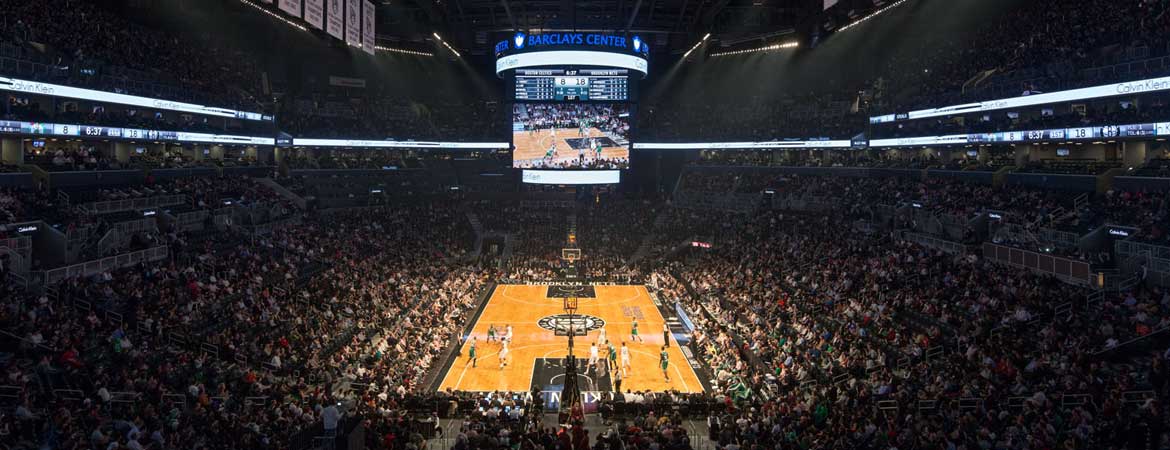
For Nets games specifically, certain ticket packages include pregame court access – meaning you can walk the actual hardwood floor before tip-off, get close enough to players during warmups to have a real chance at a high-five, and appear on the scoreboard during fan experience segments. These are the moments that turn a good night out into a story you’ll repeat for years.
Does every game offer this? No. Are the packages limited? Yes. But the fact that these experiences exist at all – and are structured as genuine fan access rather than a distant, roped-off glimpse – reflects something intentional about how Barclays Center approaches its audience. The building treats visitors as people who chose to be there, not just ticket numbers to move through a turnstile.
Barclays Center is genuinely one of the few arenas in the country where the building itself is part of the experience – not just the backdrop to it.
The Cultural Weight of This Building
Brooklyn carries a specific kind of cultural gravity that Manhattan has largely lost. The Notorious B.I.G. grew up here. Jean-Michel Basquiat painted here. The borough’s identity – hip-hop, street art, immigrant ambition, artistic risk-taking – is not a brand applied from the outside. It’s structural. And Barclays Center, to its credit, has absorbed that identity rather than flattening it.
The Nets’ City Edition uniforms are collector pieces in sneaker and streetwear circles – not because the team has spent decades winning championships, but because the visual language is exactly right. When they rebranded in 2012-13 with a minimalist black-and-white aesthetic, they led the entire NBA in apparel sales. That’s not accidental.
Walk the concourses during a Nets game and you’ll see it reflected in the crowd – a mix of longtime Brooklyn residents, global visitors, and devoted streetwear observers who came partly for the game and partly to see what people are wearing.
Beyond Basketball: Concerts, Boxing, and the Draft
The arena’s concert history is legitimately impressive. Major touring acts have played Barclays repeatedly – not as a secondary market stop, but as a destination show. Acoustics and sight lines are consistently praised, which isn’t something you can say about every sports arena trying to run concert programming.
Boxing at Barclays has become a genuine tradition – significant title fights, proper production, strong undercards, and a venue layout that suits the sport’s intimate tension.
The NBA Draft – when it’s held here – turns the venue into something else entirely: part TV production, part sports history moment, part New York City spectacle. Most people don’t think to attend the Draft as a regular fan until it’s already sold out. That’s a mistake worth not repeating.
Barclays Center sits at 620 Atlantic Avenue in Downtown Brooklyn, directly above Atlantic Terminal – served by 11 subway lines and the Long Island Rail Road. Manhattan to Barclays: roughly 20 minutes. No car, no parking stress. Check the official site for Express Entry enrollment, VIP options, and pregame fan packages – availability varies by event.
The One Honest Flaw
There’s one legitimate criticism worth naming: the arena’s concourse layout gets genuinely crowded during sellout events. The main concourse level – particularly near entrances and food stations – congests in a way that takes the edge off an otherwise premium experience. Arrive early, know your route, and use the upper-level food options. That usually solves it. But if you’re expecting effortless circulation like a purpose-built stadium with a wider footprint, Barclays will occasionally remind you that urban real estate has its constraints.
Why This Arena Is Worth Your Time
Barclays Center is genuinely one of the few arenas in the country where the building itself is part of the experience – not just the backdrop to it. The architecture earns your attention. The cultural context is real. The fan experience infrastructure – facial-recognition entry, court access, VIP tiers, scoreboard moments – is thoughtfully designed rather than bolted on as an afterthought.
If you’re in New York City for any reason and there’s an event at Barclays on your dates – a concert, a fight, a Nets game, anything – go. You don’t need to love basketball. You need to appreciate what a world-class live experience feels like when it’s being done right, in one of the world’s most interesting boroughs, inside a building that was designed to be worthy of both.
That’s a high bar. Barclays Center clears it.
