


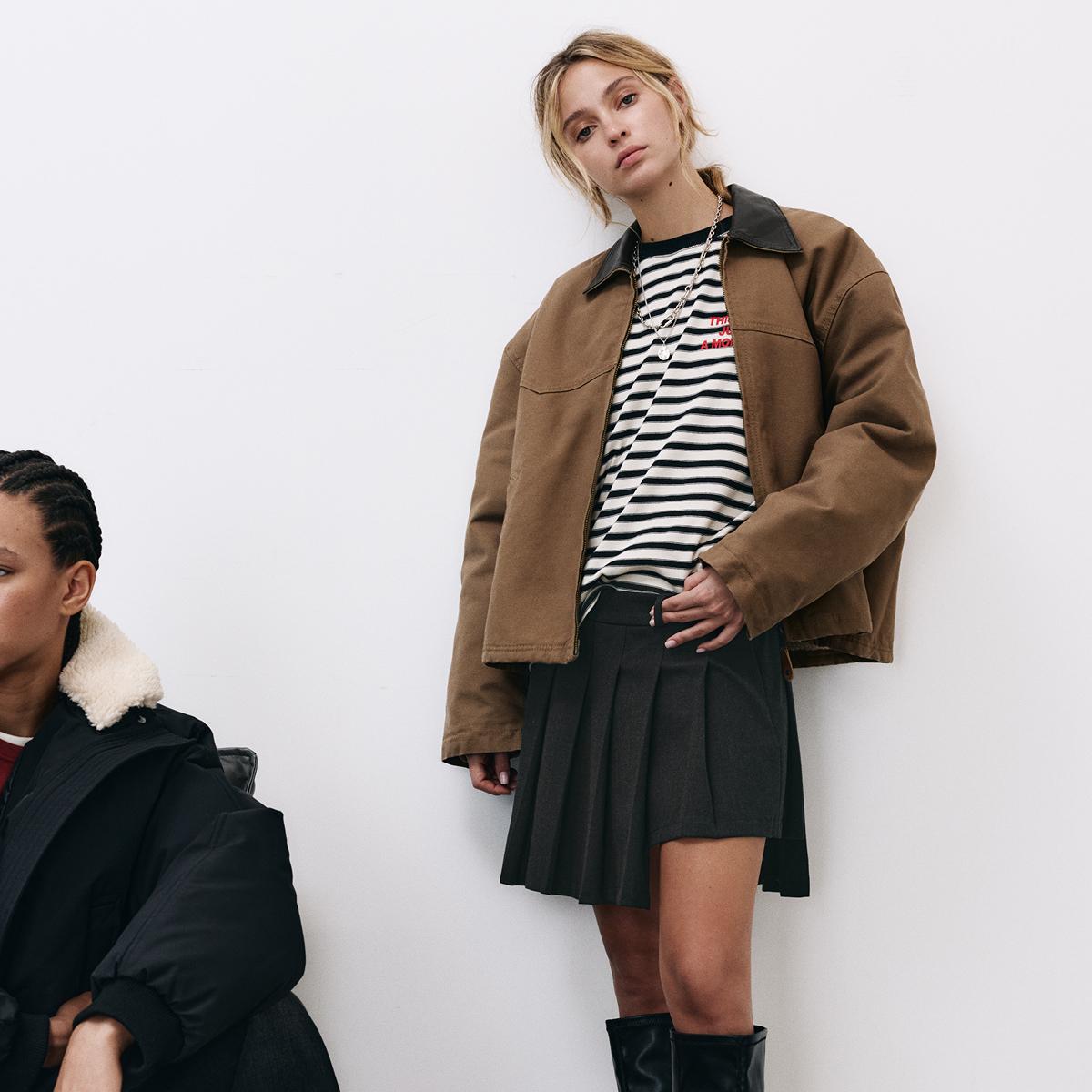
Most wardrobes are overstuffed with pieces that don’t talk to each other. A denim-led capsule fixes that – and Pull&Bear UK happens to be one of the better places to build one without spending a painful amount of money. The question isn’t whether denim belongs in a year-round wardrobe. It absolutely does. The question is which pieces to invest in, and how to make them stretch far enough that you stop reaching for everything else.
Why Denim Is the Backbone, Not Just the Filler
Capsule wardrobe advice usually circles around neutrals – beige, white, black. Good advice, mostly. But it misses denim’s structural role. Denim isn’t just a neutral. It’s a material with enough visual weight to anchor an outfit on its own, and enough versatility to disappear into a look when you need it to. That dual quality is rare. A pair of straight-leg jeans in a mid-blue wash doesn’t shout. It simply holds everything else together. That’s harder to find in any other single fabric, at any price point.
Pull&Bear has built denim into the core of what it does – not as a sideline, but as a genuine specialism. New denim styles land on the UK site regularly throughout the year, reflecting current street and runway directions without the lag you sometimes get from slower high-street retailers. That consistent refresh matters if you’re treating the brand as a long-term wardrobe source rather than a one-off haul. And the entry price – starting from around the £13 mark – makes replacing or expanding your denim base feel less fraught.
The Five Pieces Your Denim Capsule Needs
Start with specifics. Not “some jeans” and “a jacket” – actual silhouettes and washes that work together without requiring thought every morning.
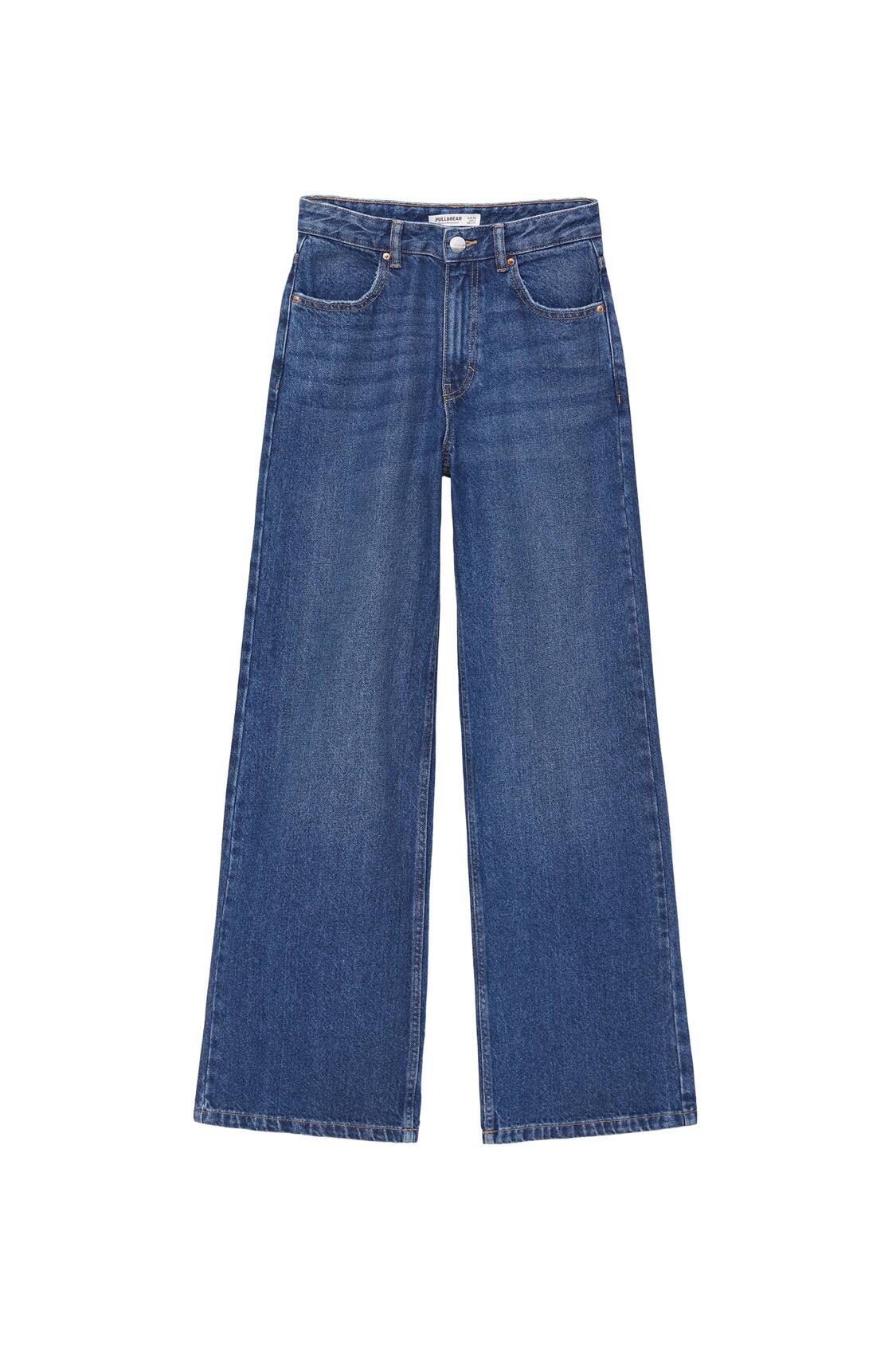
The first piece is a straight-leg or wide-leg jean in mid-to-dark blue. The straighter the leg, the wider the range of tops it accepts – chunky knitwear, oversized blazers, everything. This is your highest-mileage item. It handles smart-casual, weekend errands, and evenings without you having to reinvent the outfit for each.
Second is a light-wash or bleached pair – something noticeably different from the first. Two nearly identical blue jeans is a wardrobe dead end. The dark-to-light contrast gives you genuine outfit variety from just two pieces, because pairing the light wash with the same tops produces a completely different result.
Third is a denim jacket in a mid-blue – ideally pre-softened or at least not stiff and boxy. It earns its keep in autumn and spring as a standalone layer, under heavier coats in winter, and on summer evenings when a jumper is too much. Fourth is a denim shirt – something slightly boxy and relaxed – that works untucked over trousers, belted as a dress, or open over a white tee. The most styling-flexible piece in the list.
Fifth is a denim co-ord. This is where Pull&Bear’s streetwear identity shows up most clearly. Worn together, a matching jacket and trouser in the same denim reads as intentional and elevated. Worn separately, the pieces blend back into the wardrobe and no one needs to know they were a set. That double utility is exactly what a capsule requires.
Five Outfit Formulas That Actually Work
Having the pieces is one thing. Knowing what to do with them is another. These five formulas cover the situations you’re most likely to face across a full year.
Formula one: the double denim. Dark-wash straight jean plus denim jacket in a noticeably different shade. The tone contrast is essential – same wash and shade makes it look unintentional. Add a white knit underneath, clean trainers, and you’re done. The trick most people miss: the jacket and jeans shouldn’t match. Light jacket over dark jean, or washed-out jacket over indigo – either works. A perfectly matched set looks like a costume.
Formula two: denim as the quiet layer. A relaxed denim shirt worn open over a fine-knit or graphic tee, with non-denim bottoms – linen trousers, track pants, whatever suits the occasion. This is the formula that makes denim feel genuinely fresh. Done right, the shirt becomes a layering tool that looks considered without much effort.
Formula three: the elevated weekend. Wide-leg jeans, a tucked-in structured top, block-heel boots or leather loafers. The jeans provide the relaxed foundation; footwear and a sharper top lift it out of casual territory without overcomplicating anything.
Formula four: the co-ord moment. The matching denim set worn together, with a softer contrasting top – silk-look cami or ribbed tee. White trainers work almost every time here. The co-ord does the heavy lifting. Your job is not to compete with it.
Formula five: the seasonal switch. One pair of straight jeans, four completely different looks built around them. January: heavyweight boots, oversized knitwear. April: light jacket over a long-sleeve tee. July: canvas trainers, linen shirt. October: denim jacket, hoodie underneath. One pair of jeans. Every season handled. That’s the actual argument for a denim capsule.
One pair of jeans worn across four seasons, styled four completely different ways – that’s the real argument for building around denim rather than chasing trends.
Mix-and-Match Logic: What Actually Goes with What
The underlying rule is contrast – in wash, weight, or silhouette. Two denim pieces in the same shade reads as an accident. Two clearly different pieces reads as a choice. A few quick notes beyond that:
Dark denim goes with almost everything – bright colours, prints, white, black. Pair new combinations with dark denim first when you’re not sure they’ll work. Light denim needs more care: very bright tops push pale washes towards washed-out rather than fresh. Muted tones – terracotta, sage, cream – sit better alongside pale washes than anything saturated.
Structured and loose balance each other. A wide-leg jean needs a more fitted top to avoid the silhouette becoming shapeless. A straight-leg jean handles oversized, layered tops because the leg is already doing the structural work below. And denim with tailoring is genuinely underused – a denim jacket over tailored trousers, or raw-hem jeans with a blazer, creates a contrast that neither piece achieves alone.
Honest Notes on Price vs Quality
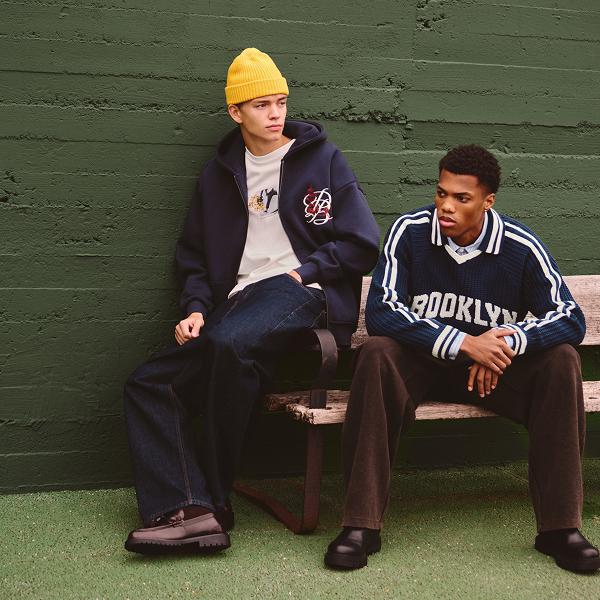
Pull&Bear sits below Zara on price while sharing the same parent company’s supply chain and fabric sourcing. The denim – particularly the heavier-weight styles – holds up well across regular wear and washing, which matters when you’re building something intended to last multiple seasons.
The honest caveat: lighter-weight denim pieces – shirts and some summer-weight styles – thin out faster than you’d want. Not bad, just proportionate to what you paid. Prioritise the jeans and jacket (highest wear frequency) and treat the denim shirt as a piece you might replace more often. The UK site refreshes frequently enough that replacing a worn piece with an updated version is genuinely straightforward.
- Straight or wide-leg jean – mid to dark blue
- Second jean – light wash, noticeably different shade
- Denim jacket – softer weight, different tone to both jeans
- Denim shirt – boxy and relaxed, ideally in a neutral or washed tone
- Denim co-ord – jacket and trouser or skirt set, worn together or split
Five pieces. Dozens of combinations. Every season covered.
Building a wardrobe around denim doesn’t mean wearing denim head to toe every day. It means starting from a foundation that connects – pieces that already work with each other and open up rather than limit what you can wear alongside them. That’s what a capsule is supposed to do. And at Pull&Bear’s price point, you can build it, test it, and refine it without the anxiety that comes with spending a lot on pieces that might not earn their keep.
Five pieces. Twelve months. One fabric that doesn’t ask you to reinvent the wheel every season. That’s the whole case for a denim capsule – and it’s more straightforward than most wardrobe advice makes it sound.
