



There is a very specific kind of discomfort that hits when you are standing in a changing room, half-convincing yourself that the jeans you are about to buy are a “mindful purchase” – even though you bought something almost identical three weeks ago. Gen Z did not invent fashion guilt, but this generation has elevated it into an identity crisis. You grew up watching documentaries about garment workers and ocean plastic. You also grew up watching incredibly cool people on your phone wearing things that felt urgent and necessary right now. Reconciling those two realities is genuinely hard.
This piece is not going to tell you to buy less. What it will do is map out what Pull&Bear’s Join Life range actually offers – what the materials mean, what the in-store recycling scheme does and does not do, and why this sub-line is worth understanding on its own terms rather than dismissed or over-praised.

The Tension Is Real – and It Is Structural
Part of what makes this conversation complicated is that the fast-fashion critique and the accessibility argument are both entirely valid at the same time. Sustainable fashion, in its most visible form, is expensive. The brands that lead on organic cotton certifications and transparent supply chains often charge prices that exclude large swathes of the people most interested in buying from them. Meanwhile, high-street retailers have the scale and the infrastructure to actually move the needle on material standards – if they choose to. So the question is never quite as clean as “shop ethical or do not shop.” It is much messier than that.
Gen Z understands this messiness better than most. You are not naive about corporate sustainability communications. You have seen enough “eco-friendly” claims applied to single-use plastic bags to know that language gets stretched well past the point of meaning. The skepticism is earned. But pure cynicism tends to collapse into paralysis where nothing is worth examining. The more productive question is: what is this brand specifically doing, and does it stack up to any meaningful standard?
What Join Life Actually Is
Pull&Bear is an Inditex brand – which means it moves a design from concept to store in two to three weeks, with fresh stock landing every week. Join Life sits inside that same commercial structure. It is not a separate ethical brand. It is a product sub-line, and understanding that distinction matters before you decide what it means to you.
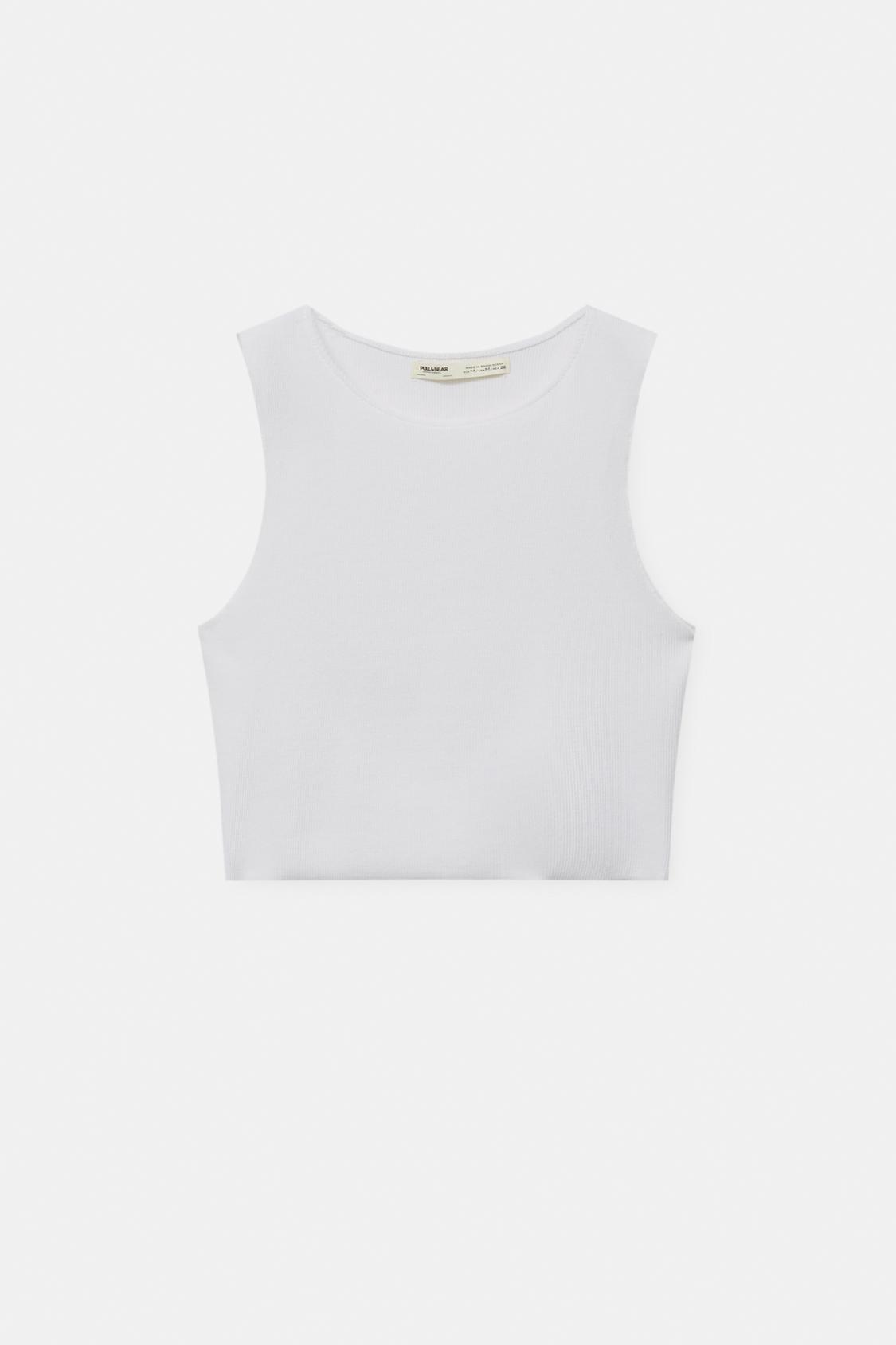
Concretely, Join Life garments use certified organic cotton – grown without synthetic pesticides – or recycled fabrics, typically recycled polyester from post-consumer plastic. The certification matters. “Organic” as a label means very little without third-party verification, and Pull&Bear references GOTS (Global Organic Textile Standard) for cotton pieces – a standard that involves supply-chain audits rather than just checking the finished product. That is meaningfully more credible than self-declared “sustainable” labelling with nothing behind it, even if it is not an exhaustive solution.
The In-Store Drop-Off Scheme – What It Does and What It Does Not
Pull&Bear’s UK stores – including the Oxford Street flagship – have in-store clothing recycling drop points. You bring in old clothes from any brand and they enter a sorting and recycling stream. Genuinely useful on a practical level: it removes a friction point from responsible disposal and gives you somewhere to take pieces that would otherwise go straight to landfill.
Here is the honest caveat: textile recycling is still a developing technology. A relatively small proportion of recycled clothing actually becomes new clothing fibre – most is downcycled into industrial rags or insulation. The scheme is better than nothing, but it is not a closed loop. Your old jeans do not become new jeans. Understanding that accurately upfront means you can use the scheme for what it actually is, rather than feeling misled when you look into it.
Join Life is not a solution to fast fashion. It is a more defensible way to engage with a high-street brand you were probably going to buy from anyway – and that distinction is worth sitting with.
Why This Matters Specifically for Gen Z’s Relationship With Fashion
The generational conversation around fashion and the environment is often framed as if the goal is moral purity – a wardrobe that passes every possible ethical test. That framing sets most people up to fail, and it misunderstands how material change actually happens. What shifts industry practices is consistent pressure across large numbers of purchasing decisions over time. If a meaningful share of Pull&Bear’s UK customer base gravitates toward Join Life pieces when buying anyway, that signals something real to the buyer teams and to Inditex’s sourcing decisions. Gen Z is broadly a pragmatic generation – one that grew up knowing the systems are imperfect and has learned to act within them rather than waiting for perfection. Choosing a certified organic cotton piece at high-street prices, from a brand genuinely tracking current street culture, is not a capitulation. It is a practical negotiation.
- Check for the Join Life label or icon on product pages – it identifies garments made from certified organic cotton or recycled fabric.
- Look for GOTS certification on organic cotton pieces – this is the most robust third-party verification for organic textiles.
- Use the in-store drop-off at Oxford Street (or other Pull&Bear locations) for end-of-life clothing – any brand, any condition.
- Recycled polyester pieces help divert plastic from waste streams even if fibre-to-fibre recycling is not yet the norm.
- Join Life exists alongside the main range – it is a sub-line, not a brand-wide overhaul, so always check the label specifically.
The Identity Piece – What Your Wardrobe Says About Your Values (and What It Does Not)
Fashion has always been identity communication. The complication for this generation is that environmental values have become legible through clothing choices in a way that was not true twenty years ago. People read meaning into the brands you wear – sometimes correctly, sometimes with more confidence than their knowledge of those brands actually supports. What Join Life offers is a way to make that statement with more substance behind it: you are buying to a verifiable material standard, from a brand that has built an infrastructure for end-of-life disposal. The honest verdict is that it is a real sub-line with real certification requirements, and a genuine if imperfect recycling initiative. The admitted flaw: Pull&Bear is still a fast-fashion-speed retailer at its core, and Join Life operates within that structure rather than changing it.
A Practical Way to Think About It
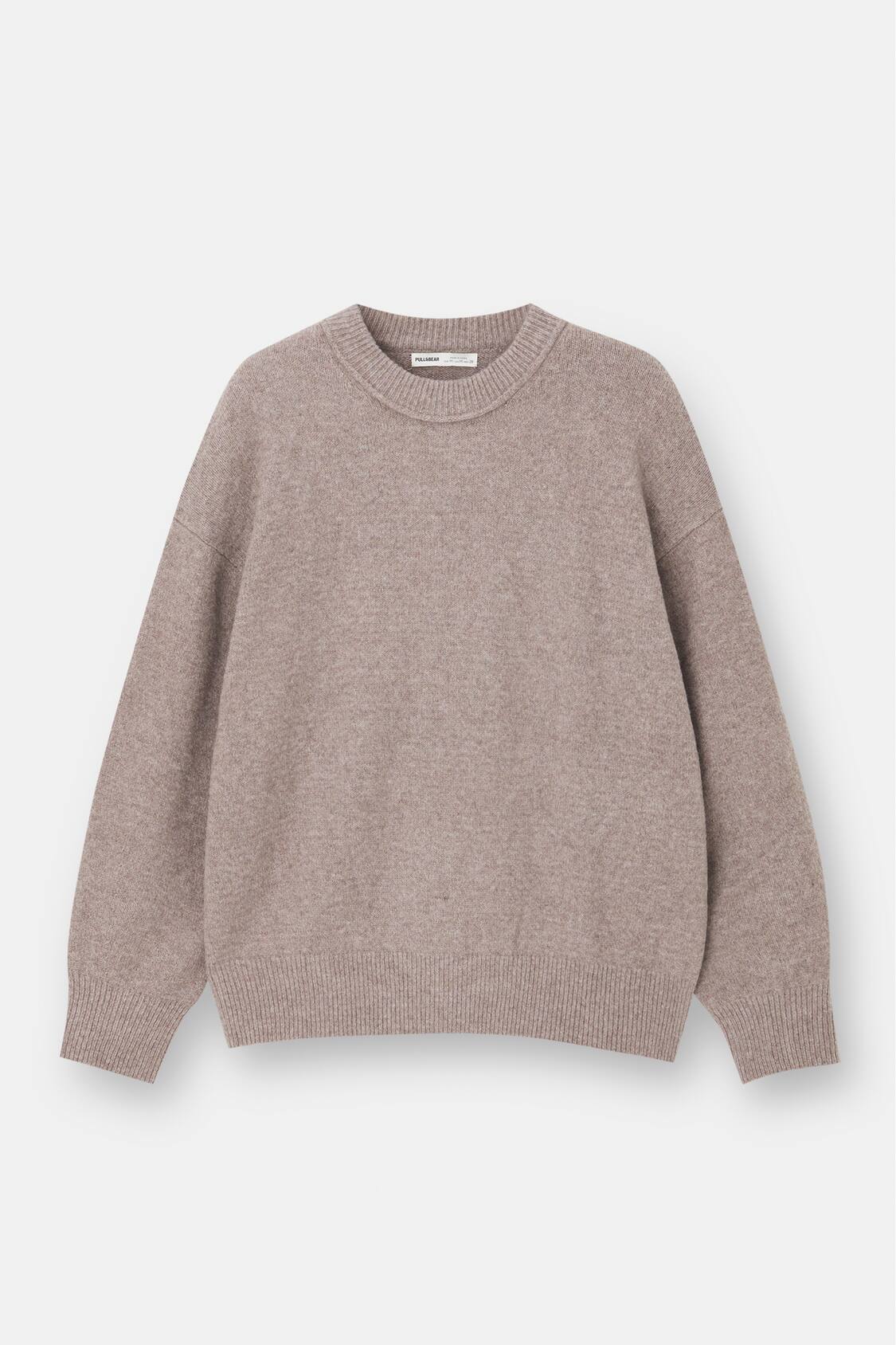
If you are already buying from Pull&Bear – and a lot of people in the UK are, given the Oxford Street presence and free standard delivery on pullandbear.com/gb/ – then choosing Join Life pieces when they align with what you want is a straightforwardly better call. The price difference is marginal or non-existent. Join Life garments are not banished to a separate “ethical corner” with muted tones and boxy fits. They are designed within the same aesthetic framework as the main collection – trend-relevant because they are produced on the same rapid new-in cycle.
Does a Join Life purchase solve the environmental impact of your wardrobe? No. Most decisions do not work like that. You are usually navigating real trade-offs between budget, what you want to wear, and what you can feel okay about. Join Life – understood as a certified-materials sub-line with a limited but real recycling scheme, operating inside a high-street commercial structure – is a useful option in that negotiation. Not a destination. A practical point in an ongoing conversation.
That is the honest answer – more useful than the uncritical “this brand is sustainable” take or the equally tired “all high street is irredeemable” counter-argument. Both let you feel certain at the expense of being accurate. Join Life is worth knowing about, worth using when it lines up with what you are buying, and worth holding to account as the technology for textile circularity continues to develop.
