


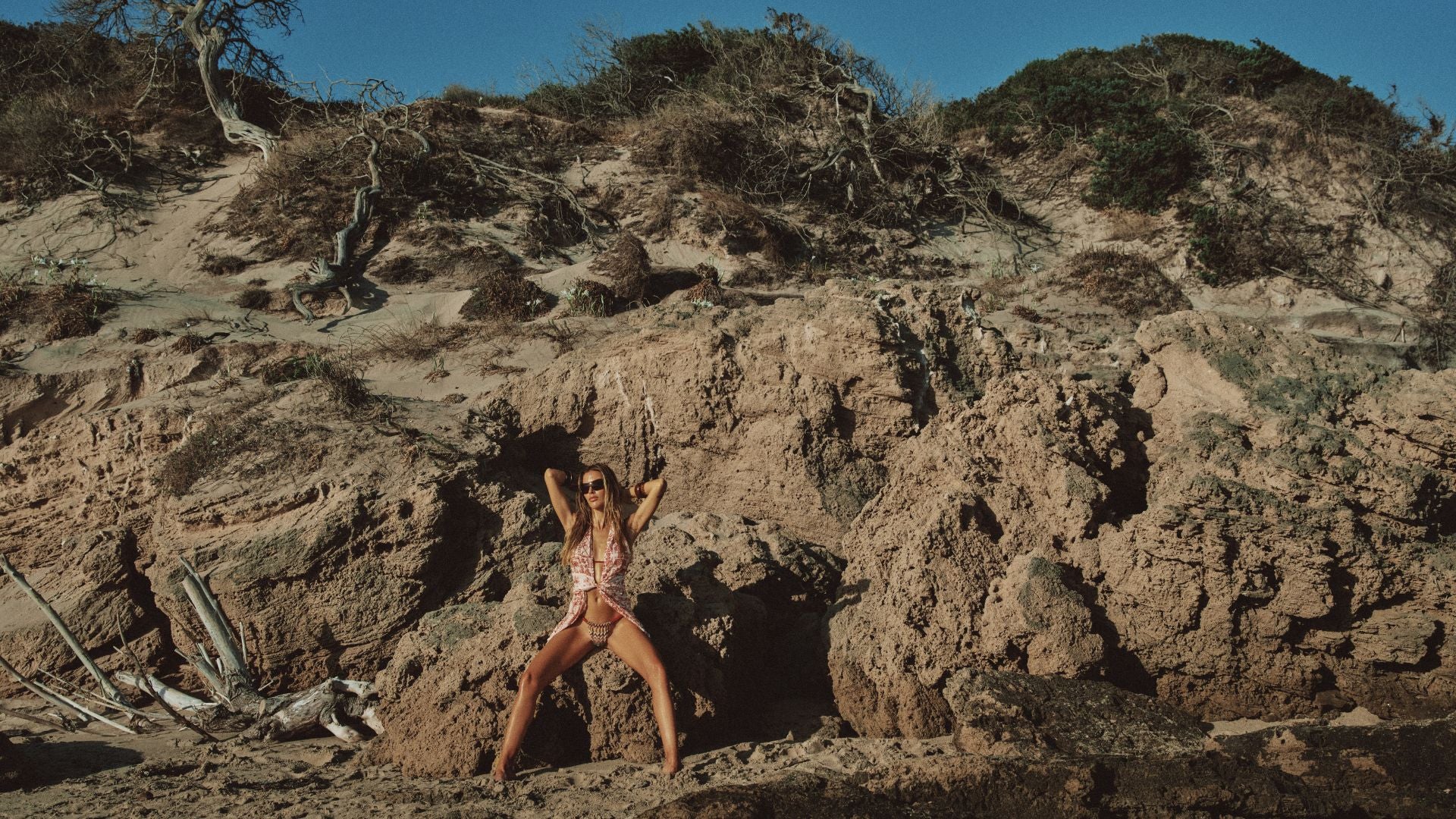
Italy has a coastline problem – not a shortage of it, but a surplus. You start planning and suddenly you’re lost in a tangle of travel blogs all claiming the same five overcrowded coves. So here’s a more honest take: the Italian Adriatic and Puglia are genuinely different from each other, they reward different kinds of travellers, and packing for them is not the same exercise. Get that wrong and you’ll spend your first afternoon annoyed.
The Adriatic Side: Longer Beaches, Busier Summers
The northern and central Adriatic coast runs from Rimini down through Pescara – and it is emphatically not a secret. The beaches are long, flat, and heavily serviced with stabilimenti (private beach clubs) that rent out sunbeds and umbrellas, and a surprising amount of social structure. You pay an entry fee, you get your strip of sand, and the whole thing operates with an efficiency that honestly feels more German than Italian. That is not a complaint. The showers work, the bars open early, and you can find shade when you need it.
Cervia sits right in this stretch – a salt-town turned beach resort that manages to feel less frantic than Rimini while still being fully set up for summer. A canal port, a pine forest behind the dunes, and a slightly more deliberate pace. If you are planning a week-long stay rather than a weekend blitz, the Cervia area gives you enough to actually enjoy the evenings.
What to pack for Adriatic beaches? More than you think. The sand is fine and gets everywhere. A lightweight mesh bag is worth its weight in gold for carrying wet things back. Pack a long linen shirt for the walk back – the sun stays strong until 7pm in July and August. Quality swimwear matters too, because Adriatic beaches are social spaces. People notice what you wear. This is not shallow – it is just the reality of spending ten days at an Italian beach club where lunch goes on until 3pm.
Puglia: The South Changes Everything
Puglia is a different trip entirely. The boot heel of Italy is rougher, wilder, and considerably less organised – which is exactly the point. The Salento peninsula in the south has turquoise water that looks borrowed from Greece, and the beaches around Otranto, Santa Maria di Leuca, and Torre dell’Orso are genuinely spectacular. Is it overstating it to say they rival the Maldives? Probably slightly. But not by as much as you’d expect.
Andria sits inland in northern Puglia – more agricultural than coastal, but a real Pugliese town with the kind of food markets and back-street trattorias that tourist Puglia is increasingly short of. It is a useful base if you want to split your time between the Gargano coast in the north and the Trulli country around Alberobello, rather than basing yourself entirely at the beach. That said, driving to the coast from Andria takes an hour or more depending on your destination – worth knowing before you commit.
For Puglia beaches specifically, the practical packing list shifts. Water shoes are close to essential at some rocky coves – Torre Guaceto and parts of the Gargano have beautiful but unforgiving entry points. A good reef-safe sunscreen matters more here because the water is clearer and the UV exposure is higher than you’re probably expecting. And your swimwear needs to survive more than just lying around – the currents on the Adriatic side of the heel can be strong, and you’ll want something that actually stays put.
What Actually Goes in the Bag
There is no single universal beach packing list – anyone who tells you otherwise is selling you a checklist. The honest version depends on how you travel and what kind of beach you’re heading to. But some things are genuinely consistent across the Italian coast, and they’re worth spelling out.
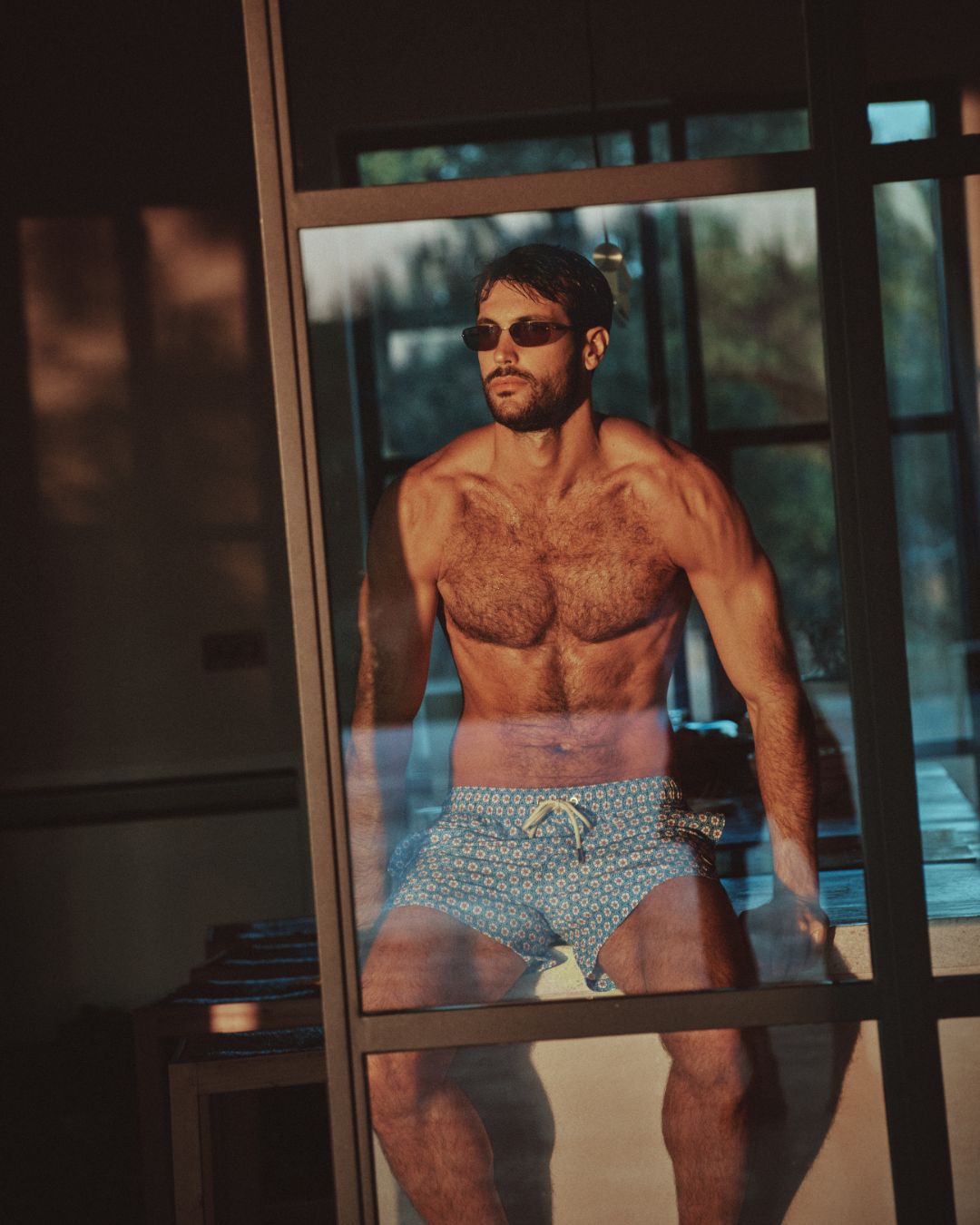
Swimwear quantity: two proper sets minimum, three if you’re staying more than five days. Italian beach culture involves a lot of time in and out of the water, and wearing damp swimwear to lunch is frowned upon – which is good motivation to pack accordingly. Italian design sensibility runs through beach fashion the same way it runs through everything else, and a well-made Italian swimsuit signals thought rather than default. The brands made closer to the coast have a different texture to them – not just in materials, but in attitude.
F**K Official is a Puglia-designed label with physical stores including one in Cervia – it produces its seasonal collections in-house, which gives it a Made in Italy credibility that is increasingly rare at beach-level price points. The FK Crazy range leans into bold prints and a deliberate “freedom over conformity” identity. Not for everyone. But if you want something with a point of view rather than something generic, it is worth a look before you pack.
Beyond swimwear: a compact waterproof pouch for your phone (Adriatic beach clubs have sprinkler systems that catch you off-guard), reef-safe sunscreen, a light cotton sarong or pareo that doubles as a beach mat cover, and at least one pair of sandals that can handle cobblestones – because you will be walking on cobblestones.
- 2-3 quality swimsuit sets (Italian labels wash and hold shape better)
- Lightweight linen shirt or coverup for afternoon walking
- Water shoes (essential for rocky Puglia coves)
- Reef-safe, high-SPF sunscreen – SPF50 minimum for Salento
- Compact waterproof phone pouch
- Mesh tote for wet gear
- One good pair of cobblestone-friendly sandals
- Cotton pareo – doubles as beach mat cover and evening wrap
The Beaches Worth Making the Effort For
You have the context now – so here are the actual places. Not a comprehensive list, but an honest one filtered for people who don’t want to arrive somewhere legendary and find it heaving with day-trippers in August.
On the Adriatic side: Cesenatico is underrated compared to Rimini and has a much nicer town centre to explore in the evenings. The beaches around Senigallia in Le Marche are a step below the tourist radar and genuinely beautiful – long, sandy, and with proper restaurants within walking distance. Porto Recanati has a Norman castle and far fewer people than its quality deserves.
In Puglia: Baia dei Turchi near Otranto is possibly the most beautiful stretch of coastline you can still reach without a boat – a 20-minute walk through pine forest keeps it manageable. Torre dell’Orso has shallow, clear water perfect for families, and the two sea stacks are genuinely striking at low tide. Punta Prosciutto south of Lecce has a mix of sandy and rocky sections, great snorkelling, and a relaxed vibe – though I may be slightly exaggerating the “relaxed” part for July. Go in June or September.
Timing and the Honest Verdict
June and September are the answers to almost every question about Italian beach tourism. The water is warm enough, the crowds are manageable, and the prices drop noticeably. August is the month Italy goes on holiday itself – ferragosto creates a particular kind of crowded that is hard to explain until you experience the A14 autostrada on the 14th of August. If your dates are fixed to August, the answer is to book early, pick less-famous spots, and lean into it rather than fighting it.
The one admitted flaw in planning a Puglia beach holiday specifically: the region is not well-served by public transport. You need a car. Trains reach the major cities – Bari, Lecce, Taranto – but the coastal gems between them are almost inaccessible without your own wheels. If you are flying into Bari or Brindisi and hoping to get around on buses, the logistics will frustrate you. Rent a car from the airport. Do it early. The good ones go.
The Italian Adriatic and Puglia reward people who plan a little differently – not meticulously, but thoughtfully. Know the difference between the coasts, pack for the specific beach you’re going to, and wear something you actually chose rather than something that came in a generic three-pack.
Italy does beach culture better than almost anywhere in Europe – not because the sand is the finest or the water is the clearest (though Puglia genuinely competes), but because the whole surrounding experience is considered. The food, the rhythm, the aesthetic. It is worth bringing gear that matches that level of intention. Your swimwear included.
