



There is a question every traveler asks at some point – usually at the worst possible moment, standing at a foreign ATM with a queue forming behind them. Cash or card? The honest answer is: it depends. But that vague non-answer has cost travelers real money for decades, so let’s actually break it down in a way that gives you a decision you can use before your next trip.
The short version is this: both have a role. The long version – the one that actually saves you money – is everything below.
The Fee Myths That Keep Costing You
First, let’s clear the air on something. The travel money industry runs on confusion. Hidden charges thrive when you don’t know what to look for – and there are a few myths so widespread that even experienced travelers fall for them.
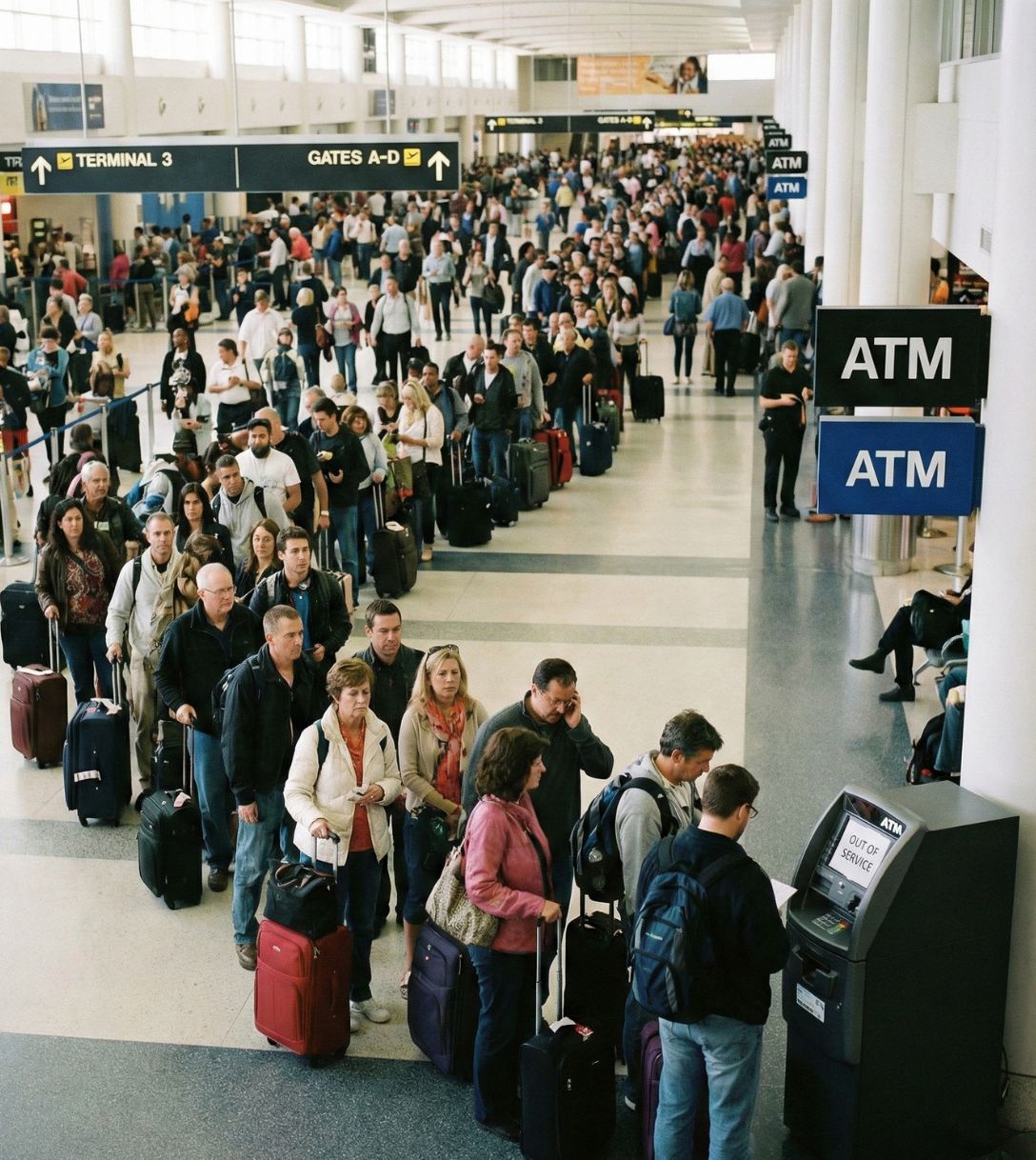
Myth one: airport exchange is “convenient” so it’s worth the cost. No. Airport currency desks frequently apply the worst rates you’ll find anywhere. The convenience fee is enormous – sometimes 10 to 15 percent above the interbank rate. You are paying a premium not just for the currency, but for the stress of forgetting to plan ahead. That’s fixable, which is the whole point of this article.
Myth two: paying by card abroad is always free if you have a travel-friendly card. Partially true. Some cards genuinely don’t charge foreign transaction fees – but they still use an exchange rate that may include a small markup baked in. More importantly, many merchants and ATMs abroad will offer to charge you in your home currency. This is called Dynamic Currency Conversion, and it almost always hides a surcharge. Always choose to pay in the local currency when given the option.
Myth three: commission-free means no fees at all. This one trips people up constantly. An exchange bureau can advertise “zero commission” while quietly applying a poor exchange rate – the gap between the rate you get and the real interbank rate IS the fee, just wearing a different name. The only way to know what you’re actually paying is to compare the rate shown against the mid-market rate for that currency. Clarity on this point matters more than any headline marketing claim.
When Cash Genuinely Wins
Cash isn’t going anywhere. In fact, for certain destinations and situations, it’s the smarter move by a significant margin.
Local markets, small restaurants, rural guesthouses, taxis, street food stalls – these places often don’t accept cards, or they accept them reluctantly and sometimes with an added surcharge. If you’ve ever been in a Vietnamese village or a Greek island ferry terminal, you already know that being caught without cash is genuinely stressful. Not just inconvenient. Stressful.
Beyond acceptance, cash removes the risk of card skimming at poorly maintained ATMs. It removes the risk of your bank blocking your card mid-trip because an overseas transaction triggered a fraud alert. Cash, once you have it, is simply yours to use. No network downtime. No chip reader that refuses to work.
The key is getting your cash at a decent rate before you travel – not at the airport, not at a hotel desk, not from the first bureau you spot on arrival. Planning your foreign currency the same way you plan your flights – in advance, with some comparison done – is the habit that separates relaxed travelers from stressed ones.
When a Card Makes More Sense
Cards – especially prepaid multi-currency cards – have a real edge in certain scenarios. Safety is the obvious one. Carrying large amounts of cash is a risk that compounds the longer your trip runs. A prepaid card with a spending limit, a freeze function available from your phone, and no link to your main bank account is a meaningful improvement.
Cards also track your spending automatically. If you’re traveling for work, or managing a shared budget with a travel companion, having a digital record beats counting receipts at the end of the trip. Not exactly a revelation, but worth factoring in.
There’s one scenario where a card genuinely outperforms cash across almost every metric: long trips across multiple countries. Carrying separate stacks of currency for four or five destinations is awkward, and converting leftover currency at each border compounds your losses. A card that handles multiple currencies on a single account eliminates most of that friction.
ATM Withdrawals Abroad – The Rules That Actually Matter
ATMs abroad deserve their own section because the fees can stack in ways that aren’t immediately obvious. There are typically three layers:
The ATM operator fee. Some machines charge a flat fee per withdrawal, regardless of your card. This is shown on screen before you confirm – always read it. If the fee seems high, cancel and find a bank-operated ATM rather than one run by a private operator. Private-label ATMs in tourist areas are notorious for inflated charges.
Your bank or card provider’s foreign withdrawal fee. Standard debit and credit cards often charge 1.5 to 3 percent per foreign currency withdrawal. A prepaid travel card with explicit multi-currency support is designed to reduce or eliminate this cost – but read the terms carefully, because “no foreign transaction fee” doesn’t always mean “no ATM fee.”
The Dynamic Currency Conversion trap – again. ATMs abroad will sometimes ask if you want to be charged in your home currency. Say no. Always. The rate applied is set by the ATM operator, not your bank, and it is rarely competitive. Withdraw in the local currency every time.
Withdrawing in larger amounts less frequently is generally smarter than small, frequent withdrawals – assuming you’re somewhere safe enough to carry the cash. Each withdrawal that triggers a flat fee costs the same regardless of the amount, so consolidating reduces that cost per euro or dollar you actually spend.

Building a Practical Money Mix
Here’s how experienced travelers tend to approach this. They don’t pick one method – they allocate deliberately.
Before departure: order foreign currency from a reputable provider, ideally online where rates tend to be better than in-store. Have enough cash to cover your first 48 hours – transport from the airport, a meal or two, any entrance fees or tips. This removes the pressure to make a poor exchange decision when you’re tired and disoriented from a long flight.
For the main trip: use a card for hotels, restaurants with card machines, and any higher-value purchases where you want a paper trail. Keep a cash reserve for markets, tips, smaller local vendors, and anywhere your card might be declined or cause friction.
For leftover currency: don’t just leave it in a drawer at home. Some providers allow you to sell unused foreign currency back at guaranteed rates – which turns a common travel nuisance into a non-issue. Worth checking before you commit to any exchange service whether this option exists.
The travelers who spend the least on fees aren’t the ones who chose cash over card – they’re the ones who chose the right source for each, and planned it before they left home.

What to Actually Look For in an Exchange Provider
Not all currency providers are the same, and the differences show up in three places: the rate transparency, the convenience of collection, and what happens to money you don’t spend.
Rate transparency means the rate shown is the rate applied – no commission added on top, no surprise difference at the point of collection. This is rarer than it should be. When you find a provider that commits to this clearly, it removes one of the biggest sources of frustration in travel money.
Convenience matters, but not in the way most people think. The convenience that counts isn’t being able to buy currency at the airport – it’s being able to order online and either collect at a location that’s already on your route (a major station or airport, without queuing) or have it delivered to your door before you travel. That combination means you get a better rate without adding inconvenience. It’s a genuine improvement over the traditional model.
GWK Travelex is one of the established names in this space, particularly for travelers departing from the Netherlands. With a history going back nearly a century and tens of millions of customers served annually, they offer online ordering with Click and Collect at over 40 locations across major train stations and airports, next-day home delivery, and a prepaid multi-currency card that supports 22 currencies with a mobile app for freezing, topping up, and managing your account on the go. Unused currency can be sold back at guaranteed rates – which addresses the leftover cash problem directly. One limitation worth mentioning honestly: the home delivery and Click and Collect options are focused on the Dutch market, so if you’re traveling from elsewhere, you’ll want to check availability for your departure location.
The Decision in Practice
So what’s the actual answer? Cash or card?
Both. But in the right proportion. Order your foreign cash from a transparent provider before you leave – enough for the first couple of days and as a genuine backup. Carry a prepaid multi-currency card for the bulk of your card-friendly spending, and use it to withdraw local cash when your cash reserve runs low. Avoid airport exchanges for any significant amount. Always choose local currency over your home currency when given the option. And read the ATM screen before you confirm a withdrawal.
None of this is complicated. The travelers who manage it well aren’t doing anything extraordinary – they just decided not to leave money decisions to the last minute. A bit of planning before departure buys a lot of peace of mind once you land. That trade-off is almost always worth it.
