



You have landed. Your bag is on the carousel. You have mentally mapped the route from the airport to your hotel. Then you walk up to the first ATM, push your card in, and the screen flashes “unable to process” – or the classic – nothing at all. The machine eats a few seconds of your life and spits the card back. Welcome to the first hour of your trip.
This happens more often than you would plan for. And the fix most people assume – “I’ll just find another ATM” – is painful in practice, especially arriving in London on a Sunday evening or stepping off a night bus in Chiang Mai at 2am. So here is the real question to answer before you fly: are you actually better off relying on foreign cash machines, or does a prepaid multi-currency card remove the problem entirely? The answer involves a few things that travel forums tend to skip over.
Why ATMs Abroad Fail at the Worst Possible Moment
ATMs are infrastructure maintained by banks, third-party operators, or airport concessionaires – and their reliability varies depending on who runs them and where. In the UK, the network is generally solid, but three failure modes catch travellers off guard. First, your home bank might flag an overseas withdrawal as suspicious and place a hold. You find this out only after the card is declined. Second, some machines in tourist-heavy London areas have been swapped for “no-fee” ATMs that charge conversion rates that make your eyes water. Third, certain UK machines simply do not recognise cards from outside specific networks.
Thailand amplifies every one of these. Thai ATMs impose their own withdrawal fee on top of whatever your home bank charges – that double fee structure is not a rumour, it is just how the system works. The machines can also be out of service, out of cash, or offline. Finding a working ATM in a smaller Thai town on a public holiday is its own adventure. There is also the dynamic currency conversion trap – those prompts asking if you want to pay in your home currency rather than baht. Accepting almost always means a worse rate, but declining requires clarity in a pressured, jet-lagged moment.
What the Prepaid Card Actually Does Differently
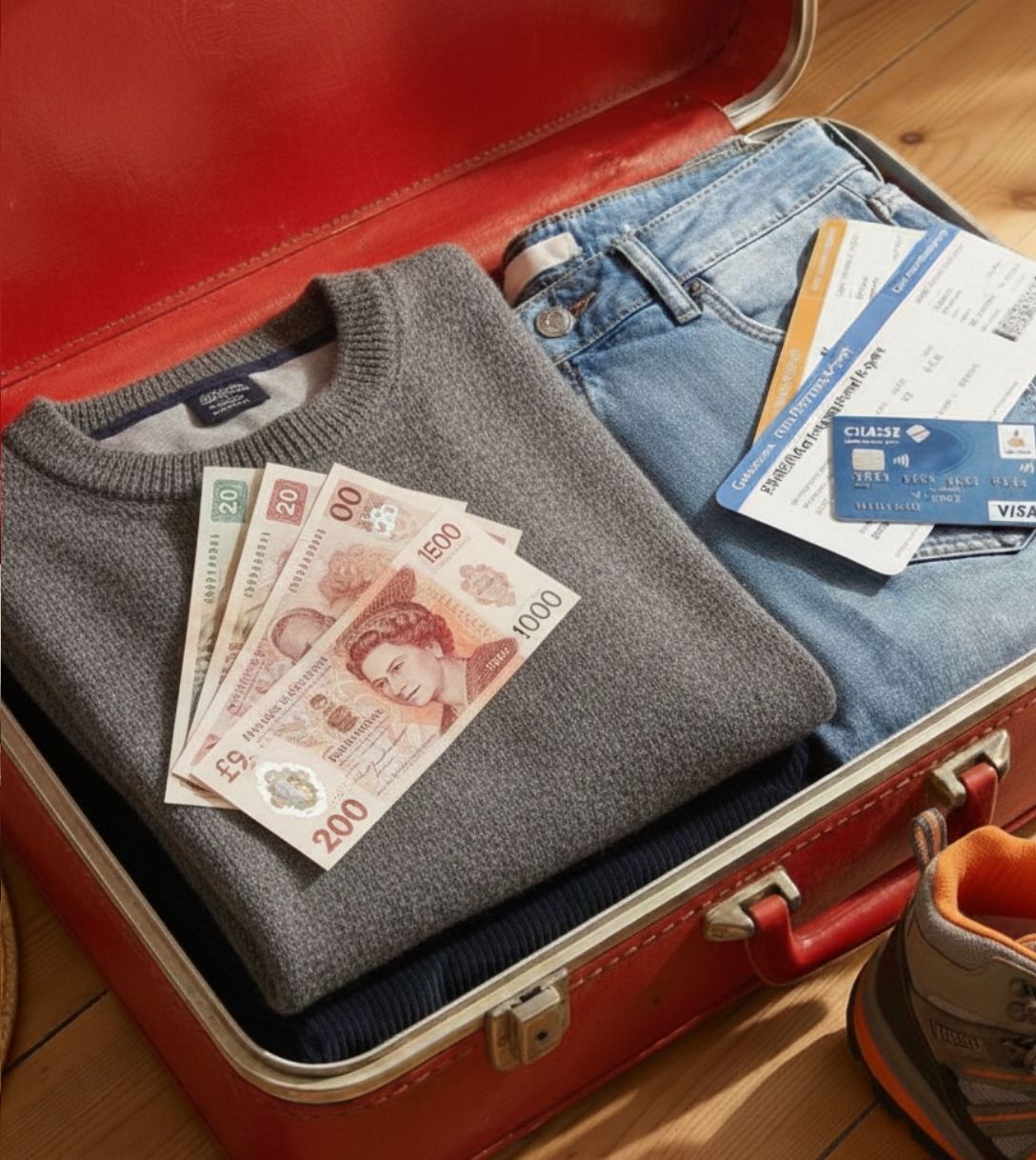
A prepaid multi-currency card loaded with GBP and THB before you leave removes most of the above entirely. You are not withdrawing – you are spending currency you already hold. The rate question gets answered at home, in your own language, when you are not jet-lagged and in a queue. And if something goes wrong at a point of sale, you deal with it from your phone rather than calling a bank that is closed at 11pm local time.
The 24/7 mobile app piece is where this gets genuinely interesting from a technology standpoint. The Travelex Money Card supports 22 currencies on a single Mastercard, with full app management – freeze, unfreeze, view your PIN, top up remotely – at any hour. That freeze function is worth singling out. If your card goes missing at a Bangkok night market, you freeze it in seconds from the app before anyone else can use it. With a standard bank card abroad, you face a much longer, more stressful process – and the replacement card likely arrives after you are home.
The ATM Case Is Not Dead – Just Narrower Than You Think
To be fair – and this is an important correction to travel card enthusiasm online – ATMs are still useful in specific situations. Small Thai restaurants and market stalls often do not take cards. Cash remains genuinely essential in rural areas. For a very short trip needing only one currency, a single ATM withdrawal can work if your bank has low overseas fees. The argument is not that ATMs are useless. It is that treating them as your primary backup across a two-country trip – different currencies, different fee structures, wildly different infrastructure – is riskier than most people plan for.
The scenario that exposes the gap is the failure cascade. You land, your first ATM fails, you find a second with a queue, that one charges a steep fee, you accept it because you need cash, then three days later you discover your bank flagged the original declined transaction. None of it is catastrophic. It is just a stack of friction that a loaded prepaid card eliminates from the start. You swap uncertainty for predictability – and predictability is underrated when you are navigating a foreign city for the first time.
App Control Versus Hoping the Machine Cooperates
Think about the last time you had a problem with a bank card abroad. Did you resolve it quickly? Most people who have been through a declined card or a blocked account will tell you the same thing: resolution is slow, confusing, and almost always requires a phone call during business hours in a timezone that is not yours. Mobile app management for a prepaid card is a fundamentally different architecture. The control sits with you, not with a customer service team working through three security questions before acting.
- Rate transparency: Prepaid – set at load time, no surprises. ATM – varies by machine, dynamic conversion risk.
- 24/7 control: Prepaid – freeze, unfreeze, top up from the app. ATM – dependent on bank call centre hours.
- Failure recovery: Prepaid – instant freeze via app. ATM – replacement card, wait time, trip disruption.
- Multi-currency: Prepaid – one card, multiple currencies loaded in advance. ATM – fees per withdrawal, per currency.
- Cash access: Both work at ATMs. Prepaid also works at point of sale where local machines have no presence.
One honest caveat: prepaid cards are not perfect. The one flaw worth naming is that loading currency in advance locks in a rate before you know how markets will move. If the pound or baht shifts significantly in your favour after you load, you will not have captured that gain. For most leisure travellers on a two-week trip, this is an acceptable trade-off against rate certainty – but it deserves an honest mention rather than being glossed over.
Getting the Rate You See, Not the Rate You Discover Later
The frustration with ATM withdrawals abroad is the gap between what you expect to pay and what appears on your statement. That gap is sometimes fees, sometimes dynamic currency conversion, sometimes just the spread your home bank takes on top of the interbank rate. Across a 10-day trip, it adds up – often well beyond what travellers budget before departure.
The failure mode of relying on ATMs abroad is rarely one big problem – it is a sequence of small frictions that compound into a genuinely stressful travel day.
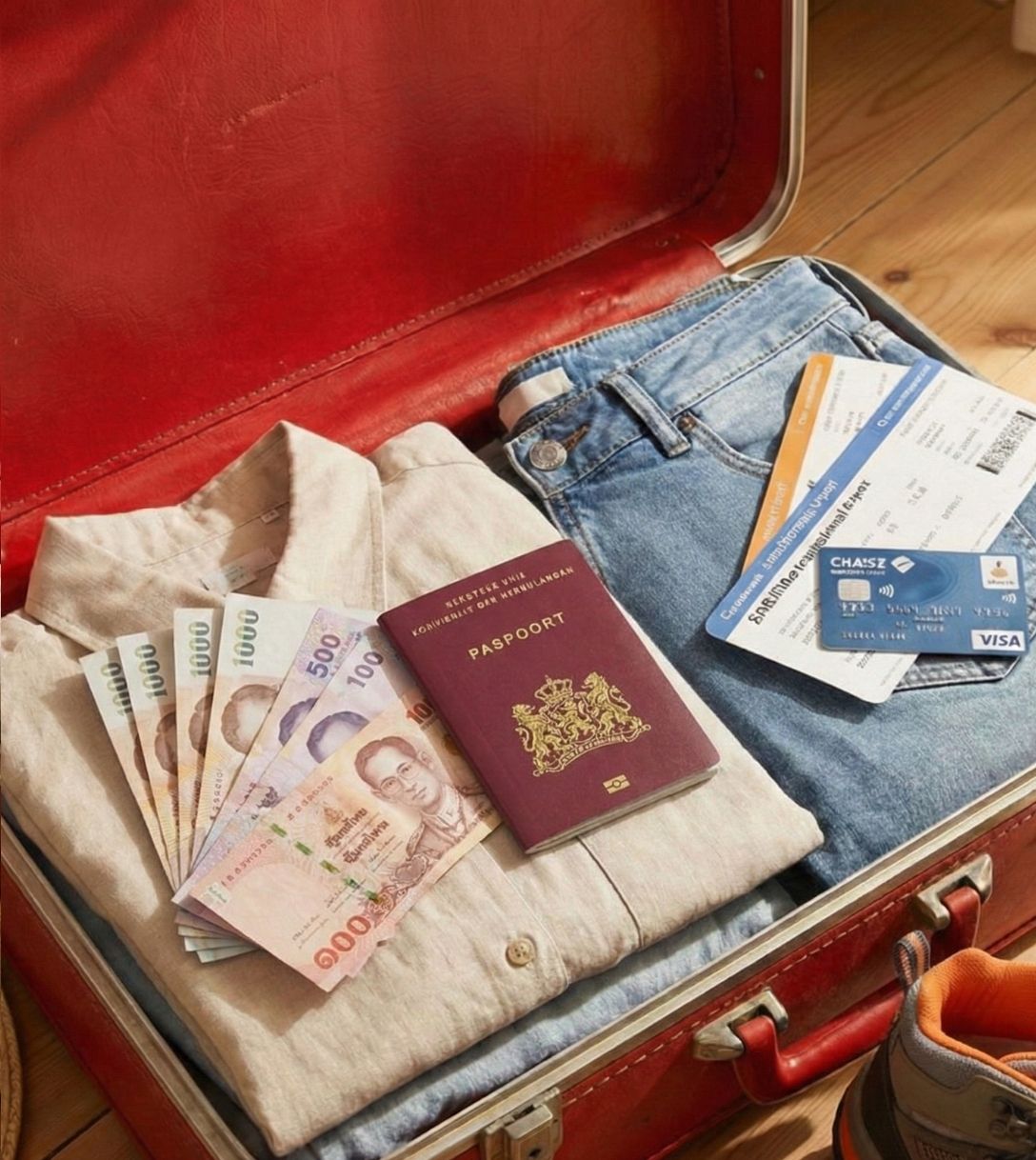
GWK Travelex – operating in currency exchange since 1927 – positions its model around the rate shown being the rate you pay, with no commission or hidden charges on top. That transparency is useful when setting a travel budget before you fly. It does not guarantee the best rate the market ever offers, but it does mean no fee surprises appearing on your statement three days after you land. For a trip covering the UK and Thailand – two currencies, two fee structures, two card acceptance environments – the predictability of a loaded prepaid card is worth the trade-off.
The practical conclusion is simple. Load GBP before the UK. Load THB before Thailand. A card that holds both currencies simultaneously – manageable from an app at any hour, freezable in seconds, topped up remotely if needed – is a more reliable foundation than hoping each foreign ATM cooperates on your schedule. The technology to remove this friction entirely already exists. Most people just have not been told the full cost of the alternative.
You can explore the Travelex Money Card and currency exchange options at GWK Travelex, including Click & Collect at major train stations and airports, and next-day home delivery for currency arriving at the door before you depart.
